


You've probably seen barefoot running shoes popping up everywhere. Maybe a friend swears by them. Maybe you've read about elite runners ditching thick-soled trainers for something closer to the ground. And now you're wondering: can I actually run in these?
The short answer is yes. But like anything worth doing, there's a right way to start.
Barefoot running shoes aren't just regular sneakers with less padding. They're built around a completely different idea of how your feet should work when you run. And for many runners, that shift in thinking was what finally helped them enjoy running without the nagging aches and heaviness they'd grown used to.
What Are Barefoot Running Shoes?
Barefoot running shoes (also called minimalist running shoes) are designed to mimic the feeling of running without shoes while still protecting your feet from the ground. They keep the experience natural without leaving you completely exposed to rocks, glass, and hot pavement.
The key features that set them apart from conventional running shoes:
-
Zero-drop sole. This means your heel and forefoot sit at the same height. There's no elevated heel pushing your weight forward.
-
Wide toe box. Your toes get room to spread and grip with every step. Wide-toe box running shoes let your foot do what it's naturally designed to do: stabilize and propel you forward.
-
Thin, flexible sole. A minimal sole lets you feel the ground beneath you. This sensory feedback (called proprioception) helps your body adjust your stride, landing, and balance in real time.
-
Lightweight build. Fewer shoes mean less weight on your feet. Over the course of a long run, that adds up.
Zero-drop running shoes encourage a more natural stride, with your foot landing under your body rather than out in front of it.

Why Runners Are Making the Switch
Traditional running shoes were built with good intentions. Extra cushioning to absorb impact. Elevated heels to "protect" the foot. Motion control features to limit pronation. But over time, many runners began to notice that all that structure might be creating more problems than it solves.
Thick, cushioned soles can reduce your ability to feel the ground, which changes how your foot strikes the surface. Elevated heels encourage heel striking, which sends more impact through your knees and hips. And rigid support features can weaken the small muscles in your feet that are supposed to do the stabilizing work on their own.
Minimalist running shoes take a different approach. By removing the excess and letting your foot work naturally, they help build strength in the muscles, tendons, and ligaments that conventional shoes have been doing the work for. Over time, many runners report feeling lighter, more connected to their stride, and less beat up after a run.
How to Transition to Barefoot Running Shoes
This is the part where most beginners go wrong. You can't just lace up a pair of zero-drop running shoes and head out for your usual five miles. Your feet have likely spent years relying on cushioning and support. They need time to rebuild.
#1 Start with Walking
Wear your barefoot shoes around the house, to the store, and on short walks. Let your feet get used to the flat, flexible platform before you add running into the mix.
#2 Run Short Intervals
When you're ready, start with short intervals. A quarter mile of easy jogging mixed with walking. Increase distance by no more than 10% per week.
#3 Focus on Form
Barefoot running naturally encourages a midfoot or forefoot strike instead of a heavy heel strike. Don't force it. Just shorten your stride slightly, keep your cadence up, and let your body find its rhythm.
#4 Strengthen Your Feet
Toe spreads, calf raises, and rolling a ball underfoot all help build the foundation your feet need. Building foot strength is a key part of the barefoot movement, not just for runners but for everyone.
This way, you can build your strength and get accustomed to barefoot running shoes.

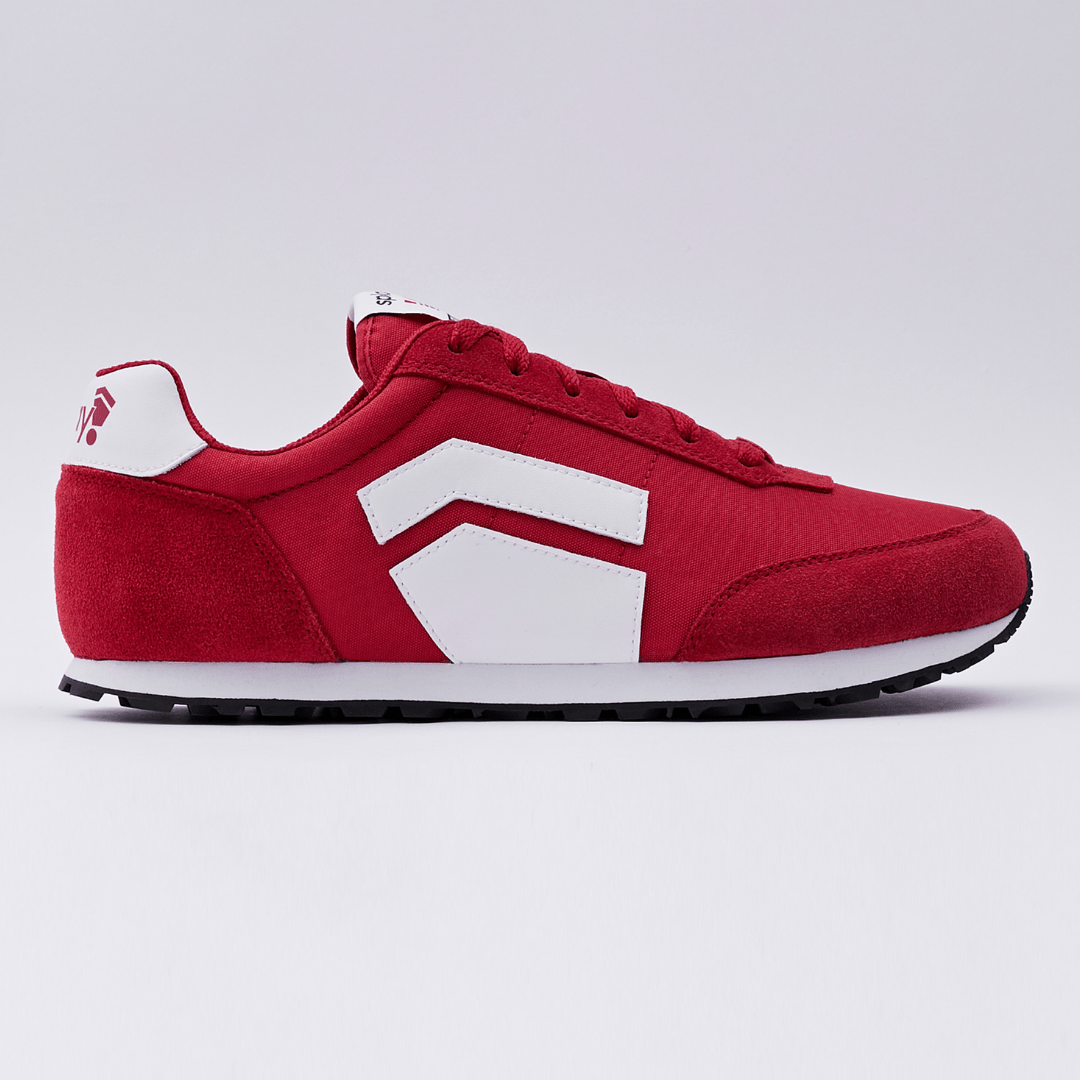
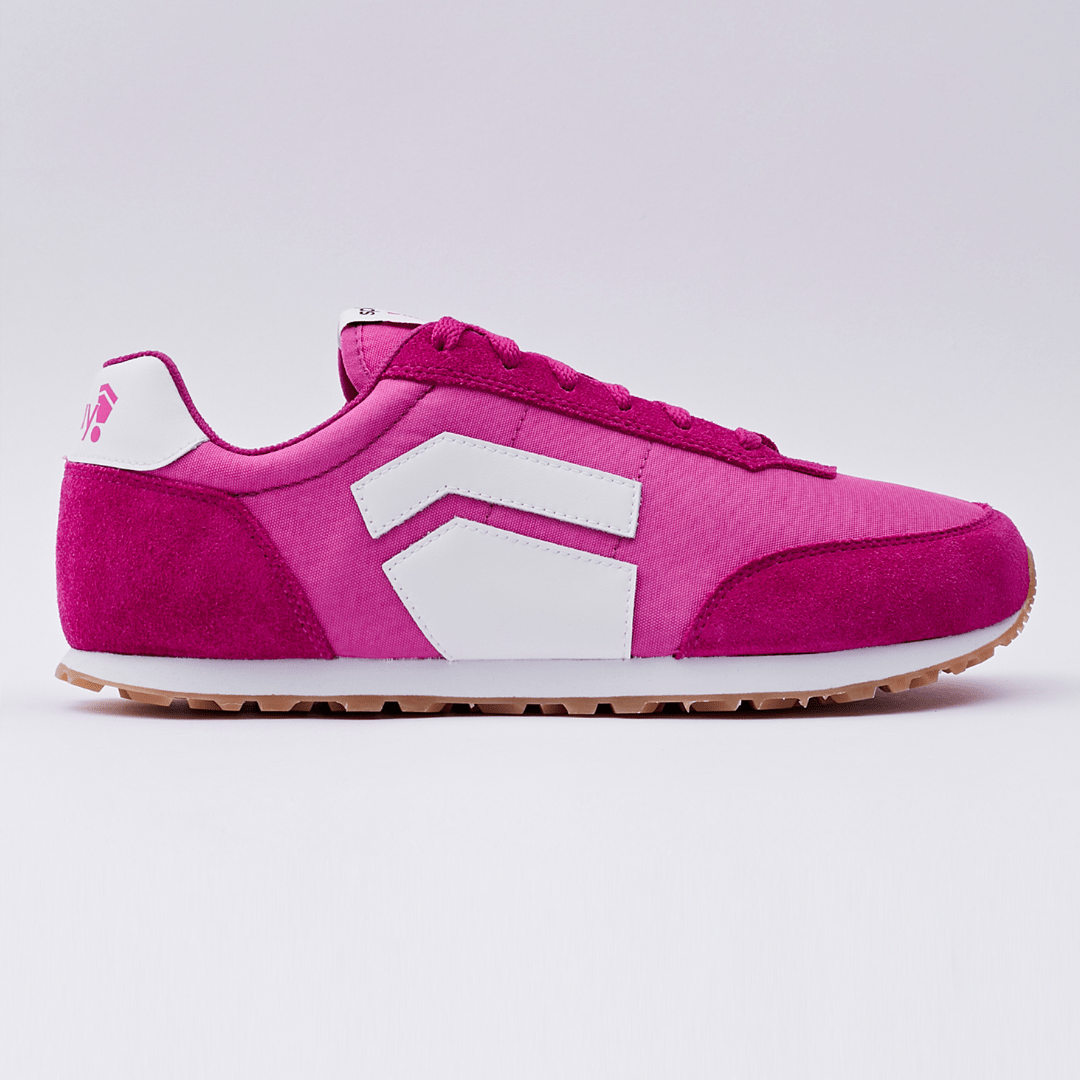
Why the RUNNER V1 Is Built for Barefoot Running
The RUNNER V1 is Splay's answer to everything beginners need in a barefoot running shoe. It features a zero-drop sole, a foot-shaped wide toe box, and a lightweight synthetic nylon upper that keeps your feet cool and breathing easy.
Whether you're logging your first barefoot mile or wearing them to run errands across town, the RUNNER V1 is designed to move with your foot, not against it. It's a unisex low-top that works year-round, so you don't need to swap shoes with the seasons.
What makes it especially good for runners transitioning from conventional shoes is its approachability. The flexible sole gives you real ground feedback without feeling like you're running on bare pavement, and the wide toe box lets your toes splay and grip naturally with each stride.
It's light enough that you forget you're wearing it, and structured enough to hold up through daily use. If you're looking for one shoe to start your barefoot running journey in, this is the one to grab.
What to Look for in Your First Pair
Not every minimalist shoe is right for running. When you're shopping for barefoot running shoes, here's what matters:
A zero-drop platform that keeps your foot level. A wide, foot-shaped toe box that doesn't pinch or taper. A flexible sole that bends and moves with your foot. Breathable, lightweight material that won't weigh you down. And a snug (but not tight) fit that keeps the shoe secure without restricting movement.
Check the Splay sizing guide to make sure you get the right fit from the start.

FAQs
Can beginners run in barefoot shoes?
Absolutely. The key is to start slow and build up gradually. Walk in them first, then add short running intervals over several weeks.
Are zero-drop running shoes bad for your knees?
Not when you transition properly. Zero-drop shoes encourage a more natural stride that may actually reduce impact on your knees compared to heel-striking in elevated shoes.
How long does it take to get used to barefoot running shoes?
Most runners need four to eight weeks of gradual transition. Start with short distances and increase slowly.
Do barefoot running shoes work on pavement?
Yes. The sole still protects your feet from hard surfaces. You simply get more ground feel and feedback than you would in a thick, cushioned shoe.
Lace Up and Start Moving
Running should feel natural. Not heavy, not forced, not like you're fighting your own shoes with every stride. If you're curious about barefoot running, the best thing you can do is start small and let your feet lead the way.
The RUNNER V1 was built for exactly this. Lightweight synthetic nylon, a foot-shaped wide toe box, a zero-drop sole, and a breathable design that works for daily runs, errands, and everything in between. It's the shoe Splay customers reach for when they want natural movement without compromise.


