


If you have heard people rave about barefoot shoes and felt a little lost, you are in the right place. The name alone confuses. No, they are not actual bare feet, and no, they are not just thin slippers.
This blog explains what barefoot shoes are in plain language, how they differ from regular sneakers, and what to expect if you decide to try a pair.
The Simple Definition
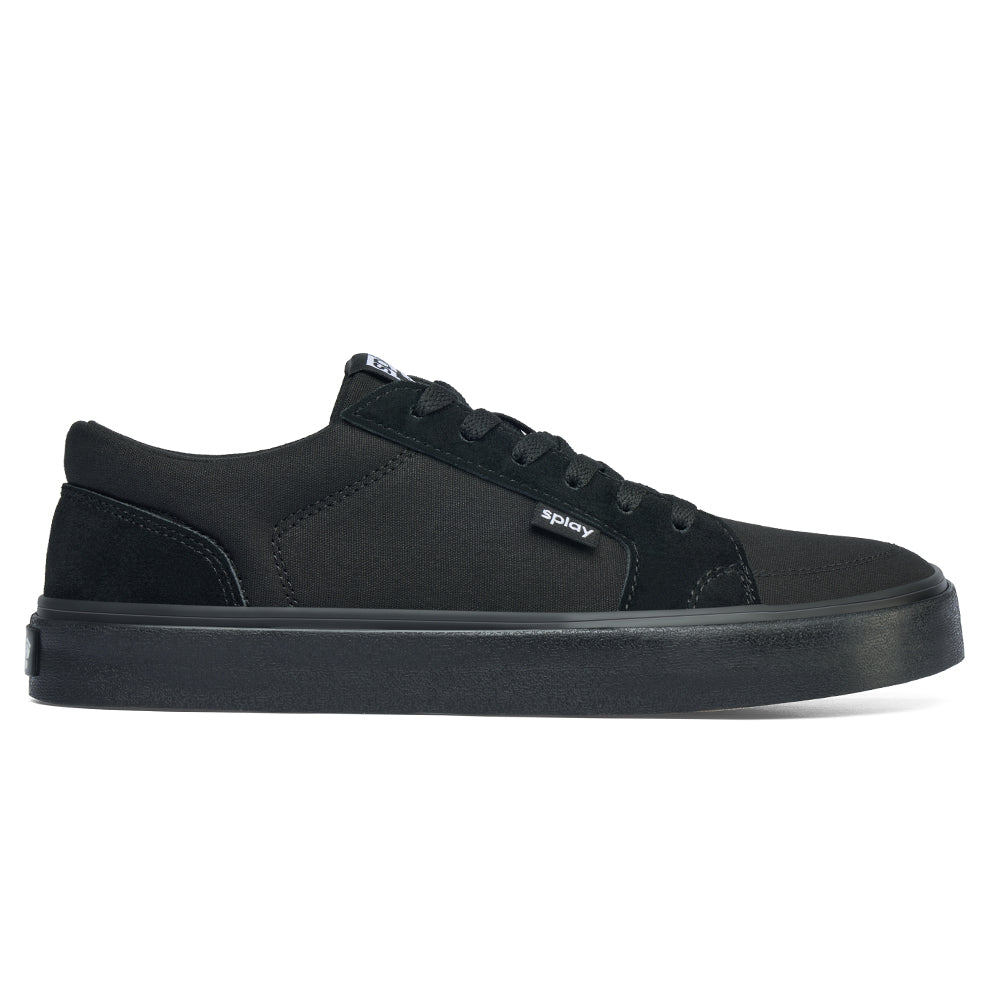
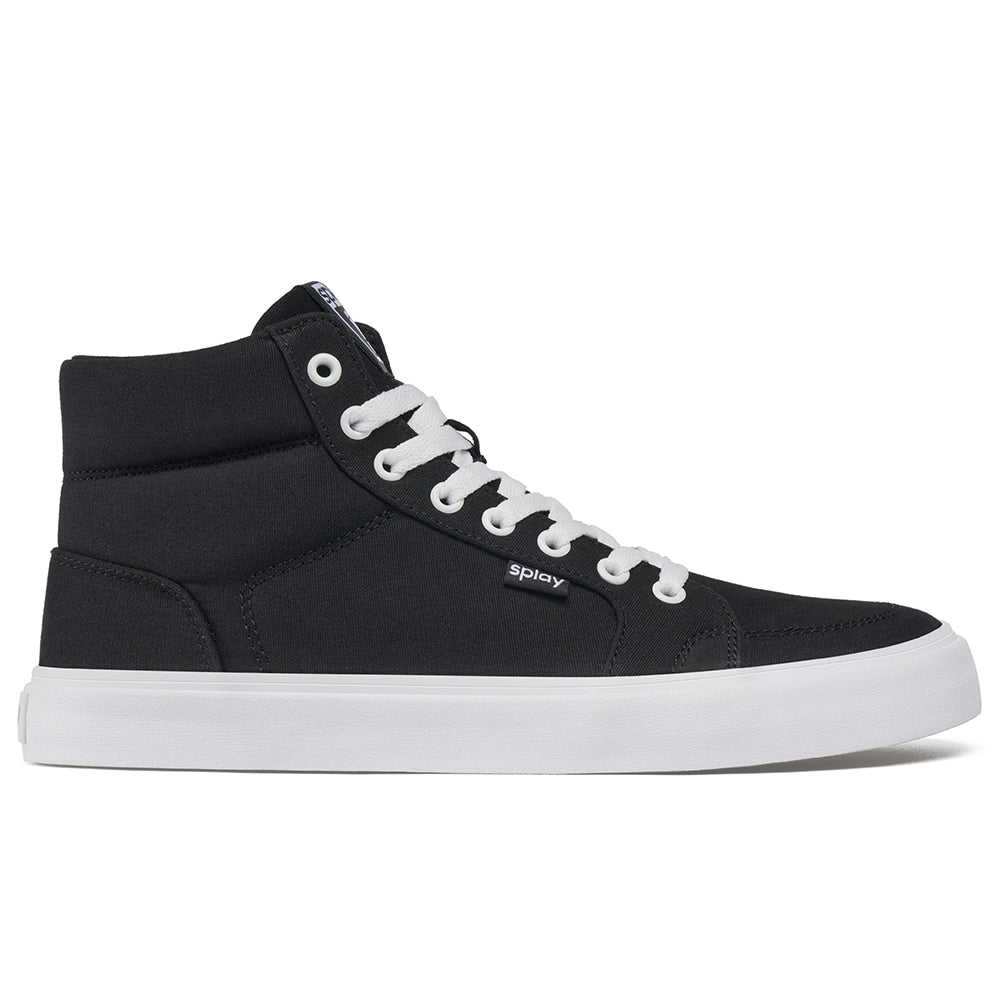
A barefoot shoe lets your foot move and function the way it naturally would, with just enough material to protect it. Three features make a shoe barefoot.
A wide, foot-shaped toe box. Room for your toes to spread instead of being squeezed to a point.
A zero-drop sole. Your heel and the ball of your foot are at the same height, so you stand level rather than tilted forward, as raised heels tend to do.
A thin, flexible sole. Enough protection to walk on pavement, thin enough to feel the ground and bend with your foot.
Put those together, and you get a shoe that works with your foot rather than around it. People also call these minimalist shoes, and the two terms are often used interchangeably.
What Barefoot Shoes Are Not
A few myths are worth clearing up.
Barefoot shoes are not unsupportive in a harmful way. Instead of propping your foot up with foam and arch shaping, they let your own muscles do that work, which builds strength over time.
They are also not only for runners. Plenty of people wear them for walking, standing, lifting, skating, and everyday life. And they are not all flimsy.
A good barefoot shoe is thin and flexible by design, not cheaply made.

Why People Wear Them
People reach for barefoot shoes because they let your feet behave like feet again. The payoff shows up in a few clear ways:
-
Stronger Feet: Your muscles work more with every step, building strength from the ground up, a point we make in does foot strength matter.
-
Better Balance: A thin sole feeds your brain more information about the ground, which we cover in do barefoot shoes help with balance.
-
More Comfort Up Front: Toes that can spread and relax instead of being funneled into a point.
-
More Natural Movement: The foundation of what Splay calls Natural Performance: the idea that footwear should help you move well for years rather than just feel soft today.
Taken together, these are the everyday reasons people make the switch and stick with it.

What To Expect When You Start
Here is the honest part. Your feet need time to adjust. After years in cushioned, narrow shoes, the muscles in your feet and calves are out of practice.
Most people ease in over a few weeks, starting with short walks and slowly adding time. You might feel your feet working in places you are not used to, which is normal as they wake up and grow stronger.
The goal is steady progress, not a single marathon day in your new pair. Our blog on natural foot movement explains what that adjustment feels like.
How To Pick Your First Pair
Start with how you spend most of your day, then match it to a style. Every current Splay shoe shares the same foundation: a foot-shaped toe box and a flexible, zero-drop sole, so you are really just choosing the look and the use that fit your routine.
-
Splay 101 '26: The easiest place to begin. A versatile, do-it-all pair for standing, walking, and everyday wear, built as a true introduction to natural movement.
-
RUNNER V1 '26: For anyone who walks and runs. A running-ready style for easing into barefoot miles, and our beginner running guide covers the first few weeks.
-
FREESTYLE Leather: A clean leather pair for casual life that dresses up or down and covers a lot of ground.
-
FREESTYLE 3: A versatile everyday option for casual wear and active days on your feet.
-
REV SKATE: Made for skating and court sports, with the ground feel and flexibility those movements call for.
Barefoot shoes suit most people, from someone who stands all day at work to a weekend runner, as long as you transition at a sensible pace. One comfortable pair you actually wear beats a closet of shoes you never break in, so pick the one that matches your day and start there.
Frequently Asked Questions
Are barefoot shoes and minimalist shoes the same thing?
For the most part, yes. The terms are used interchangeably to refer to thin, flexible, foot-shaped shoes, though "minimalist" occasionally covers styles with a little more cushioning.
Do barefoot shoes have arch support?
No, and that is by design. Rather than propping your arch up with foam, they let the muscles in your own foot do that work, which builds strength over time.
Can I wear barefoot shoes all day right away?
It is best not to at first. Ease in with short walks and add time across a few weeks so your feet and calves can adjust without getting sore.
Are barefoot shoes only for running?
Not at all. People wear them for walking, standing, lifting, skating, and everyday life, not just running.

The Bottom Line for Beginners
Barefoot shoes are not a gimmick or a trend reserved for hardcore runners. They are simply footwear that gives your toes room to spread, keeps you level from heel to toe, and lets you feel the ground beneath you. For most first-timers, that adds up to stronger feet, better balance, and movement that feels more natural over time.
The one rule that matters most is patience. Start with short stretches, let your feet adjust over a few weeks, and build from there. Choose one comfortable pair that fits how you actually spend your day, and let your feet take it from there.


