


You probably don't think about balance much. Not until you stumble off a curb, roll an ankle during a workout, or realize you can't stand on one foot for more than a few seconds without wobbling.
But balance isn't just an athletic skill. It's the foundation of how you move through every single day. And your shoes might be quietly working against it.
If you've ever wondered whether barefoot shoes can actually improve your balance, you're asking the right question. The short answer? Your feet were built for stability. They just need the freedom to do their job.
Your Feet Are Smarter Than You Think
Each foot has 26 bones, 33 joints, and over 100 muscles, tendons, and ligaments. The soles of your feet are loaded with nerve endings that sense the ground beneath you and send real-time feedback to your brain. This feedback loop is what keeps you upright, stable, and responsive.
Now imagine wrapping all of that in a thick, rigid shell. That's essentially what most conventional shoes do. Elevated heels tilt your weight forward. Stiff soles block sensory input. Narrow toe boxes squeeze your toes together, robbing them of their natural ability to grip and stabilize.
Over time, your feet stop doing the work they were designed for. The small stabilizing muscles weaken. Your brain receives less input from the ground. And your balance quietly deteriorates without you noticing.

How Barefoot Shoes Help Restore Natural Balance
Barefoot shoes flip the script. Instead of adding layers between you and the ground, they strip things back so your feet can actually feel, respond, and adapt.
Here's what makes them different:
-
Zero-drop soles keep your heel and toe on the same level, just like standing barefoot. This encourages a more natural posture and weight distribution, which is essential for balance.
-
Wide toe boxes give your toes room to spread out, improving your base of support. Think of it this way: a wider foundation is always more stable than a narrow one.
-
Thin, flexible soles allow ground feedback to reach the nerves in your feet. When you can feel the surface beneath you, your body makes faster, more accurate adjustments to keep you steady.
This isn't about giving up protection. It's about letting your feet participate in the process of staying balanced, the way they were built to.
What the Research Suggests
Studies on barefoot and minimalist footwear have consistently pointed to improvements in foot strength and proprioception (your body's ability to sense its position in space). When people transition to foot-shaped, zero-drop shoes, they tend to develop stronger intrinsic foot muscles over time. Those muscles play a direct role in postural stability and balance control.
One common finding is that people who spend more time wearing barefoot footwear show better single-leg balance than those who wear traditional shoes. This matters for everyone, not just athletes. Better balance means fewer falls, more confidence during movement, and a stronger connection between your body and the ground.
It's worth noting that the transition takes time. If you've spent years in heavily structured shoes, your feet need a gradual adjustment period. Start slow, wear your minimalist shoes for short sessions, and let your feet build strength naturally.

Who Benefits Most From Barefoot Shoes for Balance?
Almost everyone can benefit, but a few groups tend to notice the difference most.
-
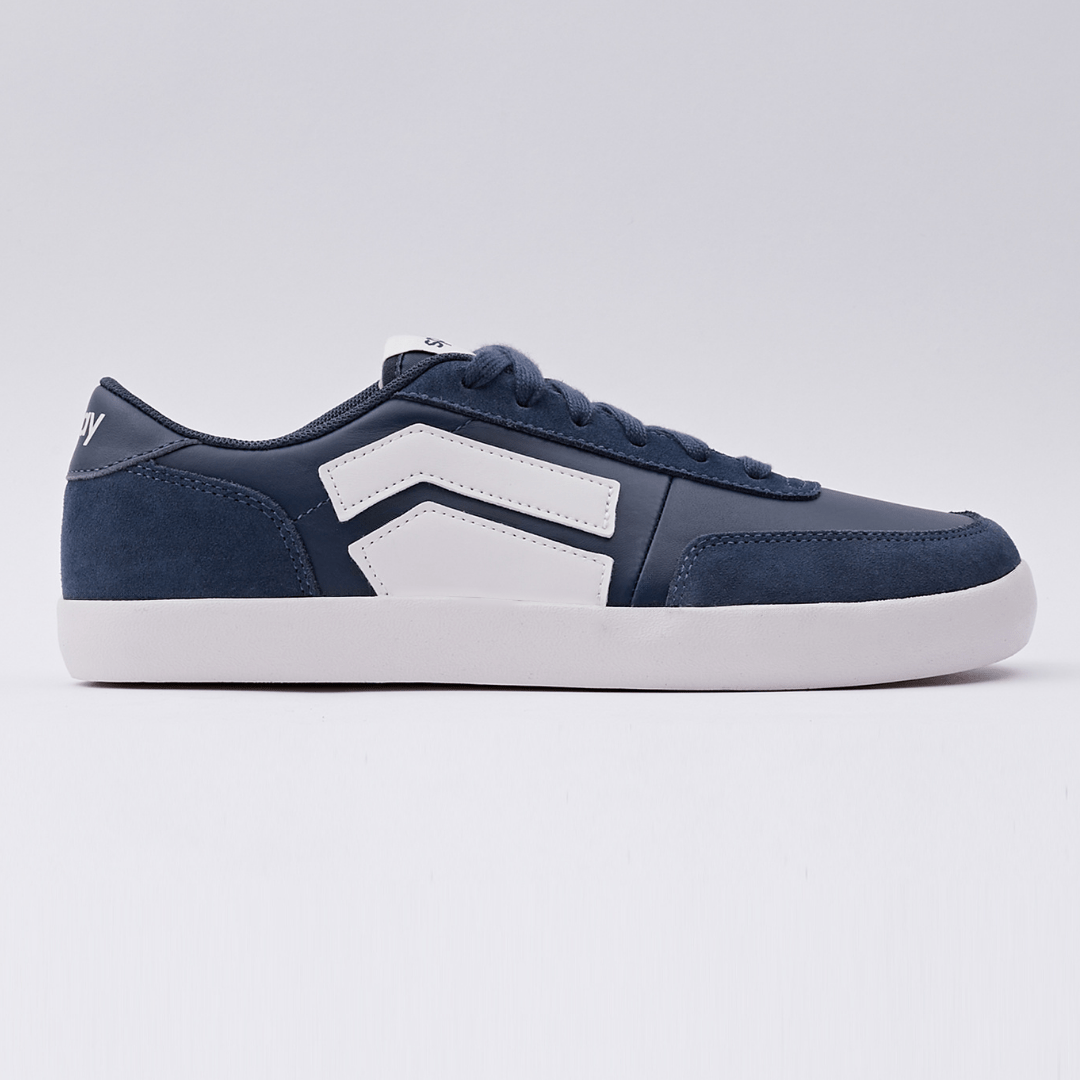
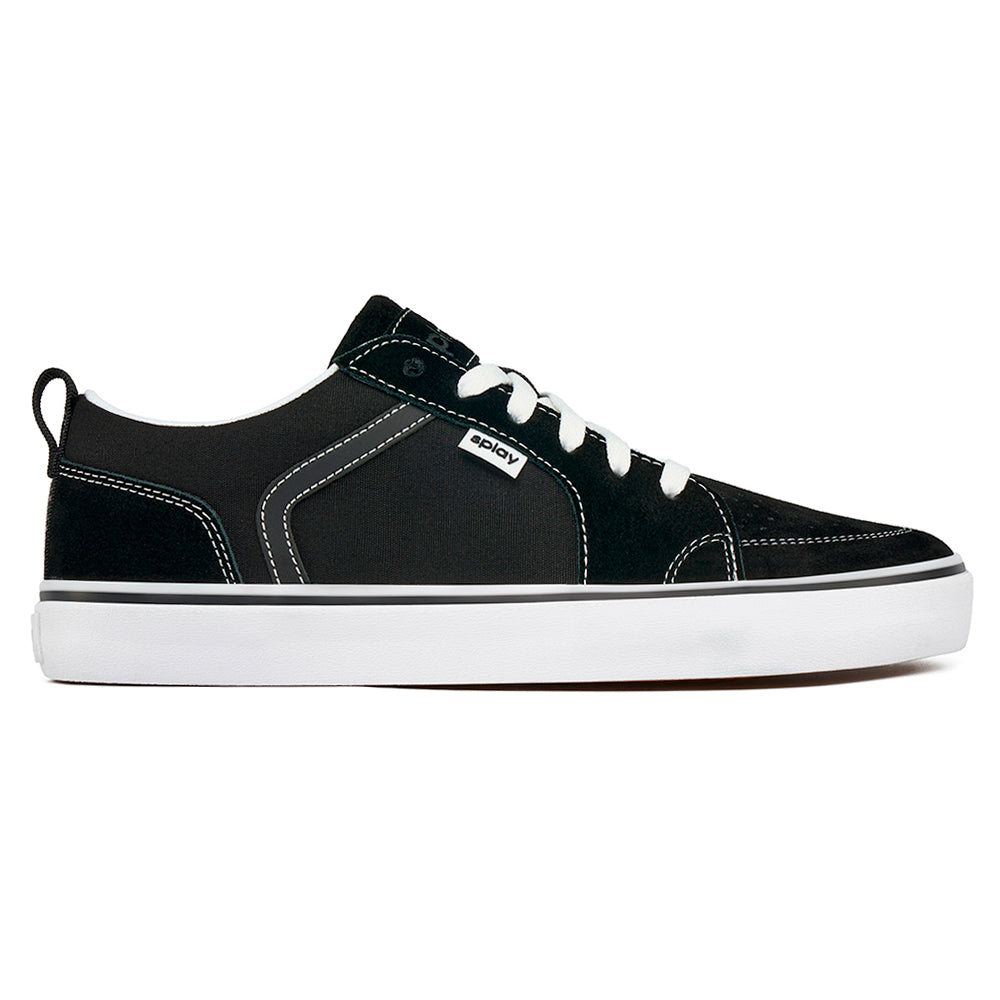
Gym-goers and lifters rely on balance during squats, deadlifts, lunges, and single-leg movements. A flat, stable base without a raised heel can improve form and connection to the floor. The RUNNER V1 is a popular pick for cross-training because of its lightweight, flexible build.
-
Skaters depend on subtle weight shifts and foot control. A shoe with a real board feel and a foot-shaped design lets you respond faster and stay centered on the deck. That's exactly what the REV Skate Shoes line is built for.
-
Everyday movers who walk, hike, or just want to feel more grounded in daily life also see noticeable improvements. Better balance translates to more comfort and fewer aches after a long day on your feet.
-
Older adults looking to maintain stability and reduce fall risk may find that reconnecting with the ground through minimalist footwear helps them move with more confidence.
All Splay shoes are designed to keep your feet at ease. So you can shop from our wide range of barefoot shoes.
How to Start Improving Your Balance With the Right Shoes
If you're new to barefoot footwear, don't try to do everything at once. Here's a practical path forward:
-
Start with short wear times. Wear your barefoot shoes around the house or on short walks before taking them into workouts or longer outings.
-
Practice simple balance exercises. Stand on one foot while brushing your teeth. Walk heel-to-toe in a straight line. These small habits build foot strength faster than you'd expect.
-
Choose a shoe that fits your foot, not the other way around. Look for a wide toe box, zero-drop sole, and flexible construction. If your toes can spread and your foot can move naturally, you're on the right track.
-
Give it time. Your feet have likely spent years in restrictive shoes.
It can take a few weeks for the small muscles in your feet to wake up and start doing their job again. Be patient with the process.

Frequently Asked Questions
How long does it take to improve balance with barefoot shoes?
Most people start noticing a difference within a few weeks of regular wear, though full foot strength can take a couple of months to develop.
Can barefoot shoes help with ankle stability?
When your toes have room to spread, and your foot muscles are active, your overall lower-leg stability may improve over time, which can benefit the ankle as well.
Are zero-drop shoes the same as barefoot shoes?
Zero-drop means the heel and forefoot sit at the same height. Most barefoot shoes are zero-drop, but not all zero-drop shoes have the wide toe box and flexible sole that make true minimalist footwear effective.
Ready to Find Your Balance?
Your feet already know how to keep you stable. They just need shoes that let them do the work. Splay shoes are designed with foot-shaped toe boxes, zero-drop soles, and a flexible construction to help you move the way your body was built to move.
Browse our full collection and find the right fit for how you move.


