


For decades, the running shoe industry has followed a familiar formula: thicker cushioning, higher heels, rigid soles, and more technology. Every year, brands promise that the next generation of shoes will make you run faster, feel lighter, or protect you from injury. Yet many runners still struggle with sore feet, aching knees, tight calves, and recurring discomfort after every run.
What if the problem isn't your running form? What if it's the shoes you've been wearing all along?
A growing number of runners are questioning whether heavily cushioned shoes are really the best option. Instead, they're turning to natural running shoes, footwear designed to work with your body's natural movement instead of changing it.
Here's why traditional running shoes often get it wrong, and what you should look for if you want a shoe that lets your feet move the way nature intended.
What Is a Natural Running Shoe?
A natural running shoe is designed to let your foot function as naturally as possible while still providing protection from the ground.
Instead of forcing your foot into a specific position, natural running shoes prioritize:
-
A wide toe box that lets your toes spread naturally
-
A zero-drop platform that keeps your heel and forefoot level
-
Flexible soles that bend with your foot
-
Lightweight construction that encourages natural movement
-
Minimal structure that allows your foot muscles to work
The goal isn't to remove protection, it's to remove unnecessary restrictions.
At Splay, every running shoe is built around this philosophy. Rather than controlling how you move, Splay shoes are designed to support the movement your body already knows how to do.
The Problem With Most Traditional Running Shoes
Many conventional running shoes share several design features that can interfere with natural movement.
-
Narrow Toe Boxes: Most running shoes squeeze your toes together, limiting their natural movement. A wide toe box lets your toes spread naturally for better balance, stability, and comfort.
-
Elevated Heels: A raised heel shifts your body forward and changes your natural posture. Zero-drop shoes keep your feet level, encouraging more balanced and efficient movement.
-
Stiff Soles: Rigid soles prevent your feet from bending and adapting with every step. Flexible soles allow your feet to move naturally and respond better to the ground.
-
Excessive Cushioning: Thick cushioning can reduce ground feel and limit your foot's natural response. Natural running shoes provide protection while keeping you connected to the surface beneath you.
What Makes a Better Running Shoe?
A truly natural running shoe doesn't rely on gimmicks. Instead, it focuses on four essential features.
1. A Wide Toe Box
Your toes need room.
A wide toe box allows them to spread naturally during walking and running, improving balance and creating a more stable foundation.
Instead of fighting your feet, your shoes should accommodate their natural shape.
2. Zero-Drop Design
When your heel and forefoot stay level, your posture feels more balanced.
A zero-drop platform encourages a more natural running position while reducing the exaggerated forward lean created by high-heeled running shoes.
Many runners also appreciate the more connected feel that comes with this design.
3. Flexibility
Natural movement starts with flexible footwear.
Your running shoe should bend where your foot bends, not force it into a rigid shape.
Flexible soles allow the muscles, tendons, and joints inside your foot to move through their full range of motion.
4. Lightweight Construction
Heavy shoes require more effort with every step.
Lightweight shoes reduce unnecessary bulk while making each stride feel smoother and more effortless.
They're especially comfortable for daily training, walking, and casual wear beyond your run.
Why More Runners Are Choosing Natural Running Shoes
The appeal of natural running shoes goes beyond performance.
Many runners simply report that their feet feel happier.
Common reasons people switch include:
-
More comfortable toe space
-
Better balance during workouts
-
Improved ground feel
-
A more natural stride
-
Greater everyday comfort
-
Shoes that feel just as good walking as running
Rather than chasing more technology, they're looking for footwear that lets their bodies do what they're already built to do.
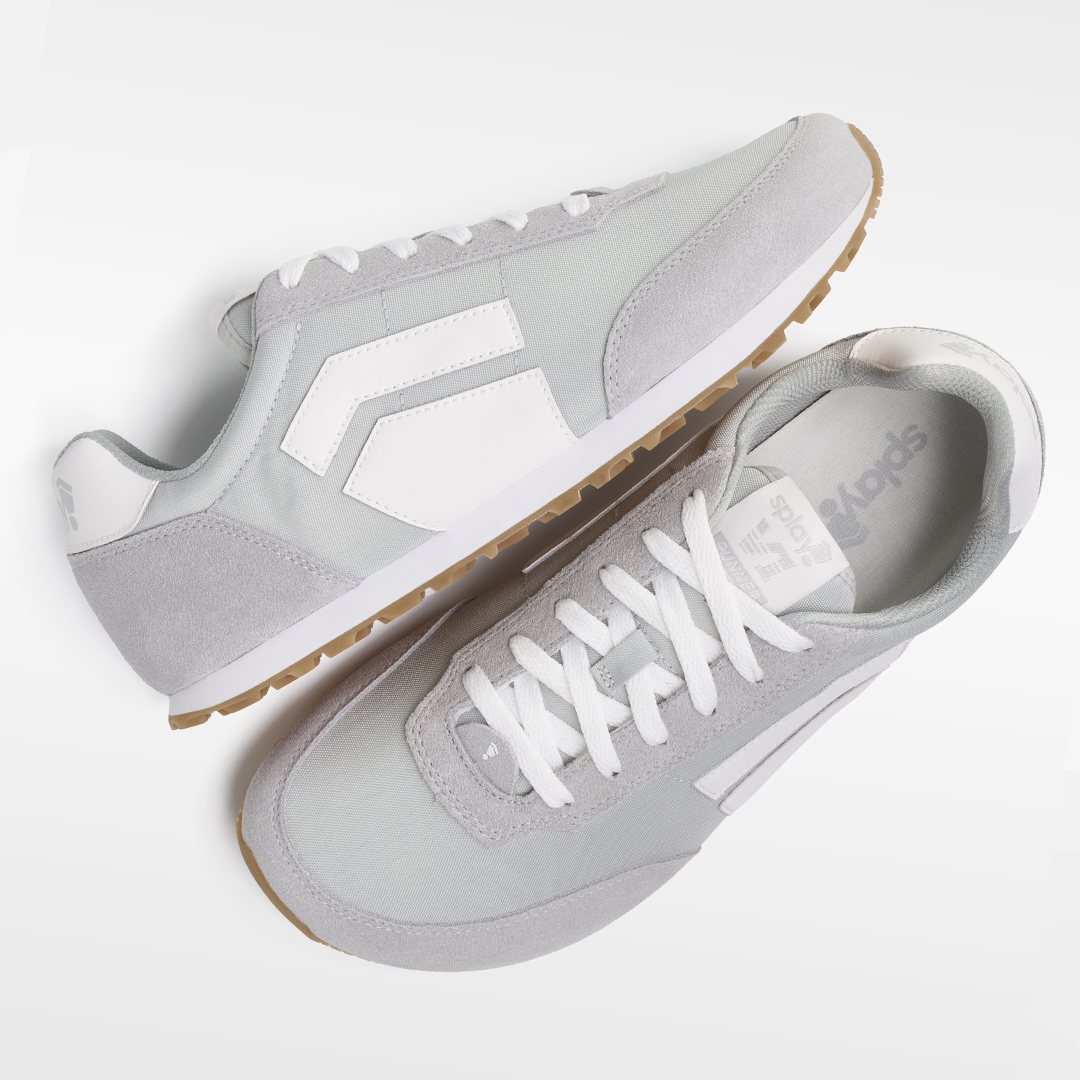
Why the Splay Runner V1 Checks Every Box
If you're looking for a natural running shoe that doesn't sacrifice everyday style, the Splay Runner V1 is designed for exactly that.
Instead of oversized cushioning and stiff construction, it combines the features runners actually need:
-
Wide toe box for natural toe splay
-
Zero-drop platform
-
Lightweight feel
-
Flexible outsole
-
Comfortable fit for daily miles
-
Modern design that looks great beyond your run
Whether you're training, walking the dog, commuting, or spending the day on your feet, the Runner V1 transitions effortlessly between activities.
Unlike many performance shoes that only belong on the track, the Runner V1 feels just as comfortable as your everyday sneaker.


Are Natural Running Shoes Right for You?

Natural running shoes aren't just for experienced runners or marathon enthusiasts. They're designed for anyone who wants footwear that works with their feet instead of against them.
If you've ever felt cramped in traditional running shoes, wished for more room for your toes, or wanted a lighter, more flexible shoe that feels just as comfortable on a run as it does during everyday activities, natural running shoes are worth considering.
They're especially well suited for people looking for a more natural stride, greater freedom of movement, and a versatile sneaker that can transition from morning runs to daily errands.
Frequently Asked Questions
1. What are natural running shoes?
Natural running shoes are designed to let your feet move the way they're naturally meant to. They typically feature a wide toe box, zero-drop platform, flexible sole, and lightweight construction to encourage more natural movement while still providing everyday protection.
2. Are natural running shoes good for beginners?
Yes. Natural running shoes can be a great option for beginners, but it's important to transition gradually. Start by wearing them for short walks or easy runs to give your feet and lower legs time to adapt.
3. What's the difference between natural running shoes and traditional running shoes?
Traditional running shoes often have elevated heels, narrow toe boxes, stiff soles, and heavy cushioning. Natural running shoes prioritize foot-shaped designs, zero-drop soles, flexibility, and toe freedom to support more natural movement.
4. How do I know if I need a wide toe box running shoe?
If your toes feel cramped, you experience pressure around the forefoot, or your current running shoes feel restrictive, a wide toe box may provide a more comfortable fit by allowing your toes to spread naturally during movement.
5. Why is the Splay Runner V1 a good natural running shoe?
The Splay Runner V1 is built around the key principles of natural movement, featuring a wide toe box, zero-drop platform, flexible outsole, lightweight construction, and a versatile design that works for running, walking, and everyday wear. It offers the freedom of barefoot-inspired movement without sacrificing everyday comfort.
Let Your Feet Move the Way They Were Designed To
Running shouldn't feel like your shoes are controlling every step.
The best running shoes don't force movement, they support it.
Natural running shoes combine flexibility, a roomy toe box, zero-drop comfort, and lightweight construction to help your feet move more freely.
If you're ready to experience a different kind of run, the Splay Runner V1 offers everything you need in a natural running shoe, without sacrificing style, comfort, or versatility.
Explore the Splay Runner V1 collection and discover how natural movement can transform every mile.


