


Ever notice how two barefoot shoes can share the same basic design ideas but feel completely different on your feet?
One might be the pair you grab for a weekend walk. Another might make more sense for skating, training, or running. Even when both use a zero-drop sole, the experience can change depending on the materials, construction, shape, and purpose of the shoe.
That is why zero drop is only part of the story. Canvas, hemp blends, leather, suede, and performance fabrics can all change how a shoe feels and where it fits into your routine.
In this article, we’ll look at how the same zero-drop idea works across five different Splay shoes, why each one feels different, and what to consider when choosing a pair for the way you actually move.
What Makes One Zero-Drop Shoe Feel Different From Another?
Zero drop means your heel and forefoot sit at the same height.
It is one part of a barefoot-inspired design, along with a foot-shaped toe box and a flexible sole. Together, these features give your feet more room to move naturally.
But that does not mean every zero-drop shoe feels the same.
Think about a canvas slip-on and a leather sneaker. They may share the same basic sole philosophy, but the material, shape, weight, and intended use can make them feel very different.
That is where the rest of the shoe starts to matter.
Why Can Two Zero-Drop Shoes Feel So Different?
Have you ever tried two shoes with similar features and immediately preferred one?
That is normal.
Zero drop tells you how the heel and forefoot sit. It does not tell you everything about the shoe.
A few other details can change the experience:
-
Upper material: Canvas may feel different from leather, suede, hemp, or nylon.
-
Sole construction: A running shoe and skate shoe need different things from the outsole and midsole.
-
Shoe height: A high-top feels different around the ankle than a low-top or slip-on.
-
Intended activity: A shoe made for running should not feel exactly like one designed for skating or casual wear.
That is also why shopping for vegan barefoot shoes requires more than checking whether a shoe looks like canvas. Always look at the full material list, since suede, leather, and other animal-derived materials may appear in different parts of the shoe.
How Five Different Shoes Use the Same Natural-Movement Idea
The easiest way to see the difference is to compare shoes made for different parts of everyday life.
1. WEEKENDER: Hemp Canvas Shoes for Easygoing Days
Some days do not have much of a plan.
Maybe you are grabbing coffee, running errands, walking around town, or heading somewhere casual later in the day. The WEEKENDER is designed for that kind of routine.
Its hemp-and-cotton herringbone upper gives the shoe a relaxed, textured look. You can tie the elastic laces once, then slip the shoes on again without starting over every time.
Underneath, the natural toe box, zero-drop sole, and flexible rubber outsole help your feet move without feeling boxed in.
If you like the relaxed look of hemp canvas shoes, the WEEKENDER is a great example of how the material works in an everyday sneaker.
2. REV SO: Cotton Canvas for Grab-and-Go Wear
Ever leave the house in a hurry and wish your shoes required one less step?
That is where a slip-on makes sense.
The REV SO uses a cotton canvas upper and a skate-inspired shape, but its appeal goes beyond style. You can simply slide it on and get moving.
Its foot-shaped toe box, zero-drop design, and flexible rubber outsole keep the focus on natural movement.
Whether you’re:
-
Heading through an airport
-
Running out for coffee
-
Going somewhere casual
The REV SO makes sense when you want something you can slip on quickly and keep moving in.
For more ideas on choosing shoes for a trip, read our guide to barefoot shoes for travel.
3. SPLAY 101: Leather for a More Polished Look
Barefoot-inspired footwear does not always have to look sporty.
If you usually wear jeans, trousers, or slightly smarter casual outfits, leather barefoot shoes may fit more easily into your wardrobe.
The SPLAY 101 uses leather and suede in a classic sneaker shape. Its foot-shaped toe box and flexible, zero-drop construction help your feet move naturally, while the leather-and-suede upper gives it a cleaner, more polished look.
Leather will naturally feel different from lightweight canvas, so the material itself becomes part of the experience.
4. REV HTS: Built Around Skate and Training Needs
Skating asks something different from your footwear.
Instead of thinking only about how a shoe feels on a walk, you also need to consider grip, board feel, flexibility, and how the upper holds up with regular use.
The REV HTS combines canvas and suede with a flexible rubber outsole. Its high-top shape also offers more ankle coverage. Together, these features make the REV HTS a practical option for skateboarding, strength training, weight training, and other activities where a sturdy, flat base makes sense.
5. RUNNER V1: Materials Chosen for Running

Running changes the checklist again.
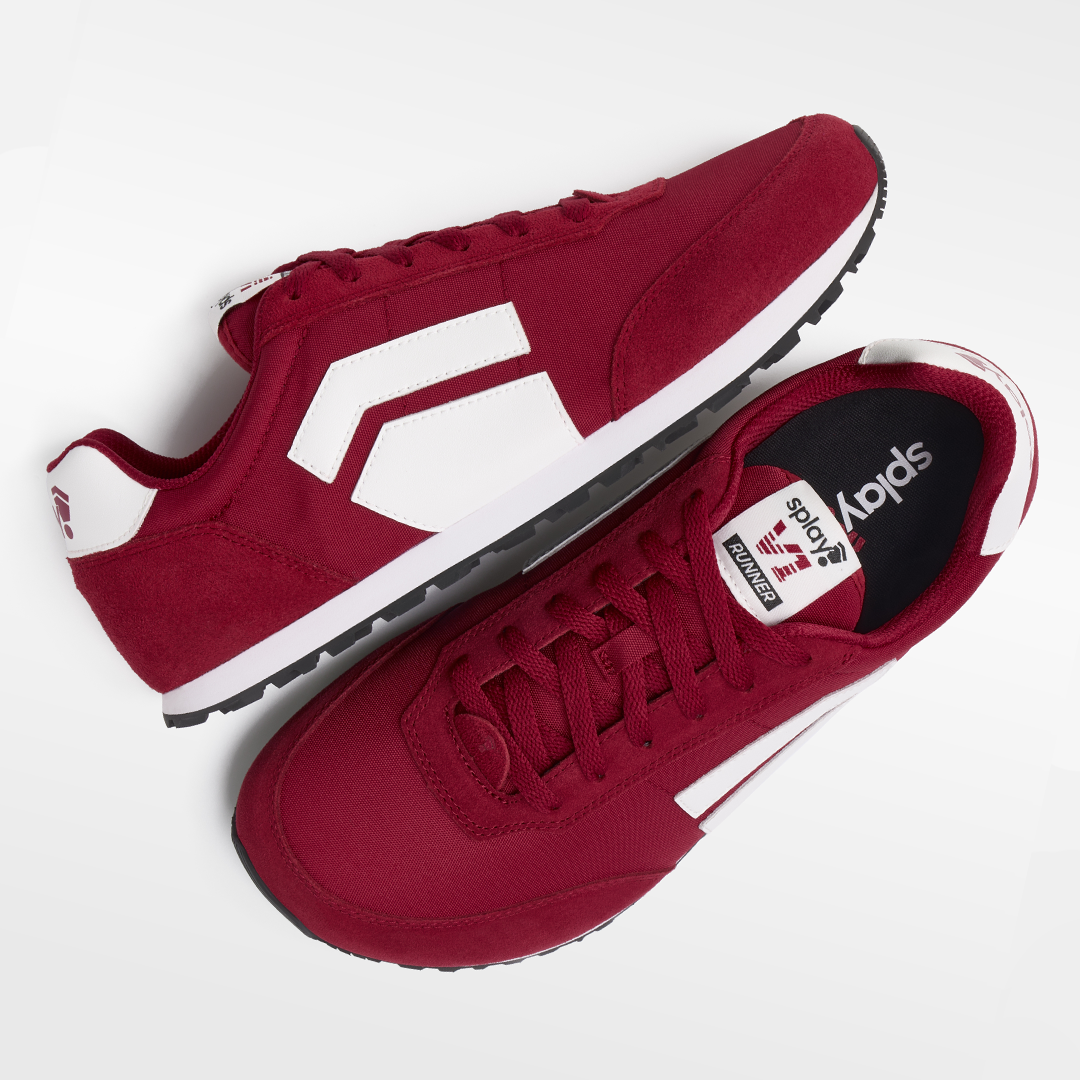
The RUNNER V1 uses nylon and suede in a design made specifically for running. It also includes a flexible rubber outsole, EVA midsole, and removable insole. That construction gives the RUNNER V1 a different underfoot experience from Splay’s casual and skate styles, even though they share the same zero-drop foundation.
For running specifically, natural running shoes show how zero drop, flexibility, and toe room work together.
Choose the Material Around What You Actually Do
It is easy to get caught up in finding the "best" material.
A better question is: Where will I actually wear these shoes?
For relaxed weekends and travel, textile uppers may make sense. For a more polished everyday look, leather might fit your wardrobe better.
If you are running or skating, start with the activity first. Materials still matter, but the shoe's construction and intended use matter just as much.
Heading outdoors? Our barefoot hiking shoe guide also explains why terrain, grip, and flexibility should factor into your decision.


Frequently Asked Questions
Are all zero-drop shoes made from the same materials?
No. Zero drop describes the heel-to-toe height difference. The upper can still be made from canvas, hemp blends, leather, suede, nylon, or other materials.
Are hemp canvas shoes good for everyday wear?
They can be. Hemp-and-cotton uppers offer a casual look that can work well for everyday activities.
Are leather barefoot shoes flexible?
They can be, but material is only one factor. The sole construction and overall shoe design also affect flexibility.
Are all barefoot shoes vegan?
No. Some styles use leather, suede, or other animal-derived materials. Check the full material details before choosing.
Can I use the same barefoot shoe for every activity?
Not necessarily. Running, skating, hiking, and everyday walking put different demands on footwear, so it makes sense to choose shoes for each activity.
Choose the Shoe That Fits the Way You Move
The best barefoot shoe materials depend on where you plan to wear them and what you need your shoes to do.
Canvas and hemp blends can work well for relaxed everyday wear. Leather offers a cleaner look, while running and skate shoes use different materials and construction to match the activity.
Start with how you move, then choose materials, fit, and features that make sense for your routine.
If you’re ready to explore different styles built around natural movement, browse Splay’s casual footwear collection and find a pair that fits naturally into your day.


