


Ever put on a new pair of shoes and noticed that even your usual walk feels a little different?
That’s something you might experience when switching to zero-drop shoes for walking. Unlike sneakers with raised heels, these shoes keep your heel and the front of your foot at the same height.
Some people enjoy the flatter feel right away. Others need a little longer to get used to it.
In this article, we’ll learn what to expect during your first few weeks in zero-drop shoes, how to adjust gradually, and how to tell when your feet need a break.
What Makes Zero Drop Shoes Feel Different?
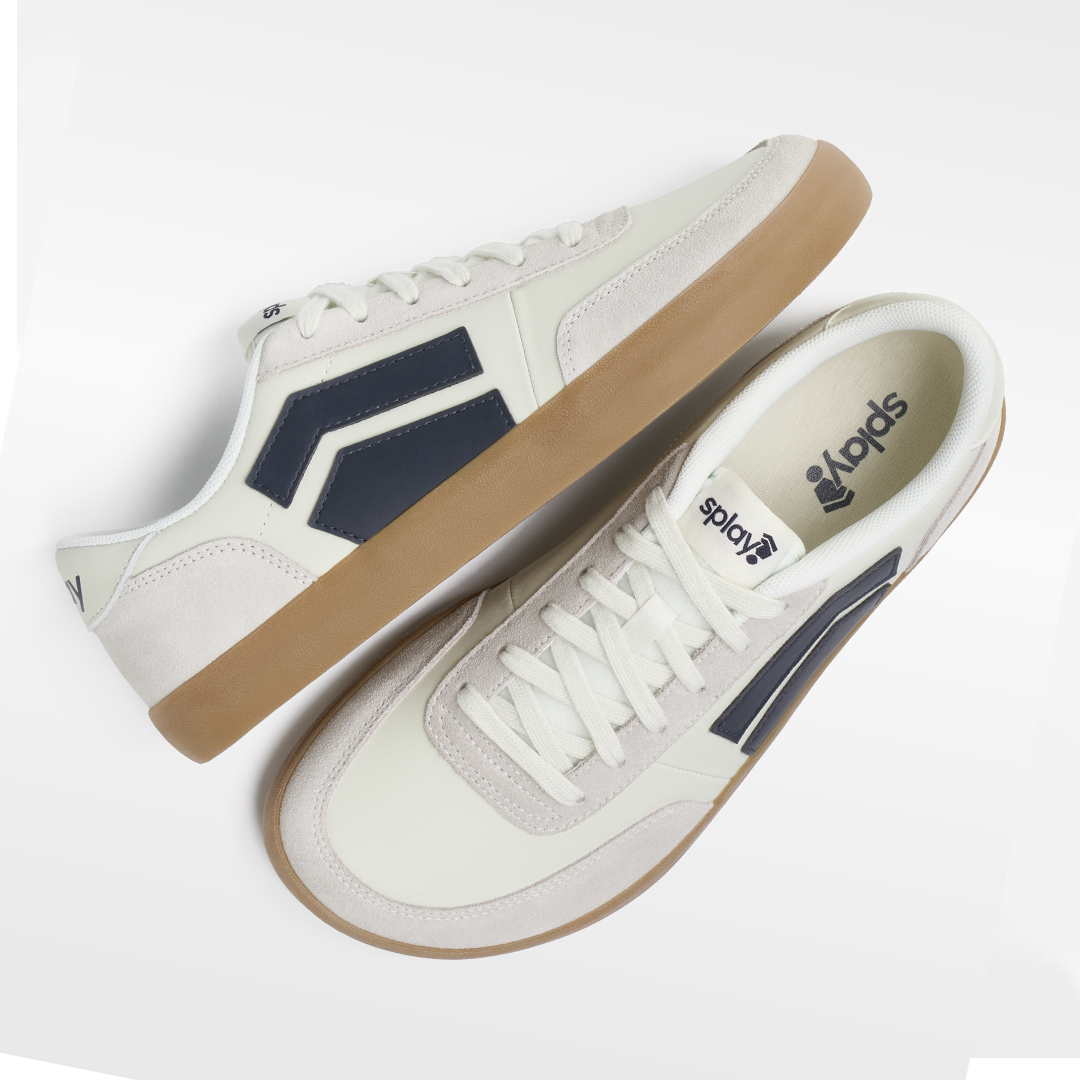
Most regular sneakers have a slightly raised heel. Zero-drop shoes are different because your heel and the front of your foot sit at the same height.
If you're used to raised heels, you may notice your feet and lower legs working differently when you walk.
With barefoot-style shoes, you might also feel more of the ground beneath your feet. That's partly because many barefoot shoes have thinner, more flexible soles.
And if your new shoes have a wide toe box, you'll notice something else: your toes have more room to spread.
These features work together in barefoot footwear, but they're not all the same thing. If you're curious, understanding the benefits of zero-drop shoes can help you decide whether they're worth trying.
Week One: Start With Short Walks
Got your new shoes? You might be tempted to wear them everywhere from day one.
But there's no need to rush.
Start with a short walk around your neighborhood or a quick trip to the store. You can even wear them indoors first to see how they feel.
Notice whether your toes have enough room and whether the shoes feel comfortable as you move.
Keep your regular sneakers nearby, too. Switching between pairs is a practical way to introduce the change without suddenly increasing the demands on your feet.
The Cleveland Clinic also advises taking time to adjust to minimalist footwear because it can place different demands on your muscles, joints, and tendons.
Your first week is simply about getting familiar with the shoes.
Week Two: Pay Attention to How Your Feet Feel
By the second week, your shoes may start to feel more familiar.
You may notice mild calf fatigue, especially if you've spent years walking in shoes with elevated heels.
That doesn't mean you should ignore discomfort.
If shorter walks feel comfortable and you recover well afterward, try adding a few minutes.
But what if your calves are still sore the next morning?
That's a reason to slow down rather than increase your distance.
You don't need to follow a strict schedule. If the first week's routine still feels like enough, there's nothing wrong with sticking to it longer.
Weeks Three and Four: Try Walking a Little Farther

Once shorter walks feel comfortable, you can start going a little farther.
Maybe you take an extra loop around your neighborhood or walk to a nearby café instead of driving.
There's no fixed schedule you need to follow. Some people adjust within a few weeks, while others need longer.
Planning a vacation with lots of sightseeing? It's worth getting comfortable in your shoes before the trip. After all, travel shoes need to handle more than airport walking.
If you're thinking about taking your walks onto hiking trails, pay attention to the terrain. Uneven paths, loose gravel, and slippery surfaces call for the right grip, so it's worth knowing what to look for in barefoot hiking shoes before heading out.
How Do You Know If You're Doing Too Much?
A different feeling under your feet is one thing. Pain is another.
If something doesn't feel right, don't ignore it.
A few signs that you may need to slow down include:
-
Increasing discomfort in your calves or heels.
-
Soreness that doesn't improve with rest.
-
Pain that makes you change how you walk.
-
Feet that still feel unusually tired the next day.
Try shorter walks or take a break from your new shoes.
If the pain continues, talk to a qualified healthcare professional before increasing your walking distance.
Remember, getting used to new footwear isn't a race.
Make Sure Your Zero Drop Shoes Fit Properly
Sometimes, the problem isn't the adjustment. Your shoes might simply be the wrong fit.
Before heading out for longer walks, check a few things.
Your toes should have enough room to wiggle without pressing against the front of the shoe. Your heel also shouldn't keep slipping out as you walk.
Try walking around indoors and pay attention to any rubbing or pressure.
A wide toe box doesn't mean the entire shoe needs to feel loose. You still want a comfortable fit around the rest of your foot.
If you're new to this style of footwear, knowing what to look for in barefoot shoes can make choosing your first pair easier.


Frequently Asked Questions
1. Are zero drop shoes good for walking?
They can be, especially if you prefer a flatter sole and more natural foot movement. The right fit and a gradual adjustment are important.
2. How long does it take to adjust to zero drop shoes?
It varies from person to person. Some people feel comfortable within a few weeks, while others need more time.
3. Is calf soreness normal when switching to zero drop shoes?
Mild muscle tiredness can happen as your lower legs adjust. However, don't ignore persistent or worsening pain.
4. Can you wear zero drop shoes all day?
If you're new to them, start with shorter periods. Gradually increase your wearing time as your feet get comfortable.
5. Are zero drop shoes the same as barefoot shoes?
Not exactly. Zero drop means the heel and forefoot are level. Barefoot shoes typically combine this design with flexible soles and wider toe boxes.
Find Your Pace With Zero-Drop Shoes
Getting used to zero-drop shoes isn't about walking farther every day. It's about finding a pace that feels comfortable for you.
Start small, see how your feet respond, and give yourself time before adding longer walks. You might adjust quickly, or you might need more time. Either way, there's no reason to rush.
Ready to explore footwear that gives your toes room to move? Browse Splay's casual shoe collection and find a pair that fits naturally into your everyday routine.


