


Have you ever taken off your shoes after a long day and immediately felt like your feet could finally relax?
Maybe your toes feel cramped. Maybe your shoes feel stiff after hours of walking. Or maybe you have never really thought about how much your footwear affects the way you move.
Your feet are designed to move, bend, and adapt with every step. But many modern shoes are built with narrow shapes, raised heels, and stiff materials that can change how your feet naturally interact with the ground.
So, what does natural foot movement actually mean? And how can the right pair of shoes help your feet move more freely?
In this article, we’ll explore what natural foot movement is, why traditional shoe designs can feel restrictive, and what features to look for when choosing footwear that works with your movement.
What Does Natural Foot Movement Mean?
Natural foot movement means allowing your feet to move in a way that feels closer to how they would move without restrictive footwear.
Think about walking barefoot on grass or sand. Your toes spread, your feet flex, and you naturally adjust to the surface beneath you.
Shoes can never fully replace being barefoot, but certain designs can help your feet move with fewer restrictions.
Some important features that encourage natural movement include:
-
A foot-shaped toe box that gives your toes room to spread
-
A zero-drop design that keeps your heel and forefoot at the same level
-
A flexible sole that bends with your foot
-
Lightweight construction that reduces unnecessary bulk
The goal is not about removing protection. It is about creating footwear that works with your body rather than forcing your feet into an unnatural shape.
How Are Modern Shoes Changing the Way You Move?
Many traditional shoes are designed around cushioning, structure, and a specific shape. While these features may work well for some people and activities, they can also change how your feet interact with the ground.
Here are a few common design choices that can affect natural movement.
Narrow Toe Boxes
Look down at your shoes. Do they follow the shape of your foot, or do they narrow toward the front?
Many shoes taper at the toes, leaving less room for your toes to spread naturally.
A wider toe box allows your toes to sit in a more natural position, especially during activities where your feet are constantly moving.
Raised Heel Designs
Many conventional shoes have a higher heel than the toe.
Zero-drop shoes keep your heel and forefoot level, creating a flatter platform that allows for a more natural standing and walking position.
If you are exploring this type of footwear for the first time, it is worth giving your feet time to adjust before jumping into longer activities.
You can learn more about the basics of barefoot-inspired footwear in our SPLAY 101 guide.
Stiff Soles
Your feet naturally bend as you walk, run, and move.
A flexible sole allows your shoe to move with your foot rather than limiting that motion. This can help create a more connected feel with the surface beneath you.
Why Are More People Exploring Zero-Drop Shoes?

For many people, switching footwear starts with a simple question:
“Why do my shoes feel like they are fighting against my feet?”
That curiosity is one reason more people are exploring minimalist footwear and a zero-drop shoe collection.
Zero-drop shoes are designed with no height difference between the heel and forefoot. This creates a flatter feel compared to many traditional shoes with elevated heels.
People often look for zero-drop footwear because they want:
-
More room for their toes
-
A closer connection to the ground
-
A lightweight feel
-
Shoes that fit into different parts of their everyday routine
As with any change in footwear, finding the right style depends on how you move and what activities you enjoy.
Is Natural Foot Movement Right for Everyone?
Natural movement footwear is not about finding one shoe that works for every person or every activity.
The best choice depends on where you wear your shoes, how much time you spend in them, and what feels comfortable for your feet.
If you are new to barefoot-style footwear, start slowly. Wear your new shoes during shorter walks, errands, or everyday activities before using them for longer adventures.
Small changes give your feet time to adjust to a different style of movement.


Frequently Asked Questions
What are zero-drop shoes?
Zero-drop shoes have the same height from heel to toe, creating a flat platform compared to shoes with raised heels.
Are zero-drop shoes good for beginners?
They can be, but it is important to transition gradually. Start with shorter periods of wear and allow your feet time to adjust.
Do barefoot shoes have cushioning?
Barefoot-inspired shoes usually prioritize flexibility, lightweight materials, and ground feel over thick cushioning.
What is the benefit of a wide toe box?
A wide toe box gives your toes more room to spread naturally, rather than feeling squeezed together.
Can I wear natural movement shoes every day?
Yes, many people choose natural-movement footwear for everyday activities such as walking, running errands, traveling, and casual wear.
Choose Footwear That Works With Your Movement
Natural foot movement is not about making every step barefoot. It is about choosing shoes that give your feet the space and flexibility to move the way they naturally want to.
Whether you are walking, running, traveling, or spending long days on your feet, the right footwear should fit into your routine without getting in the way.
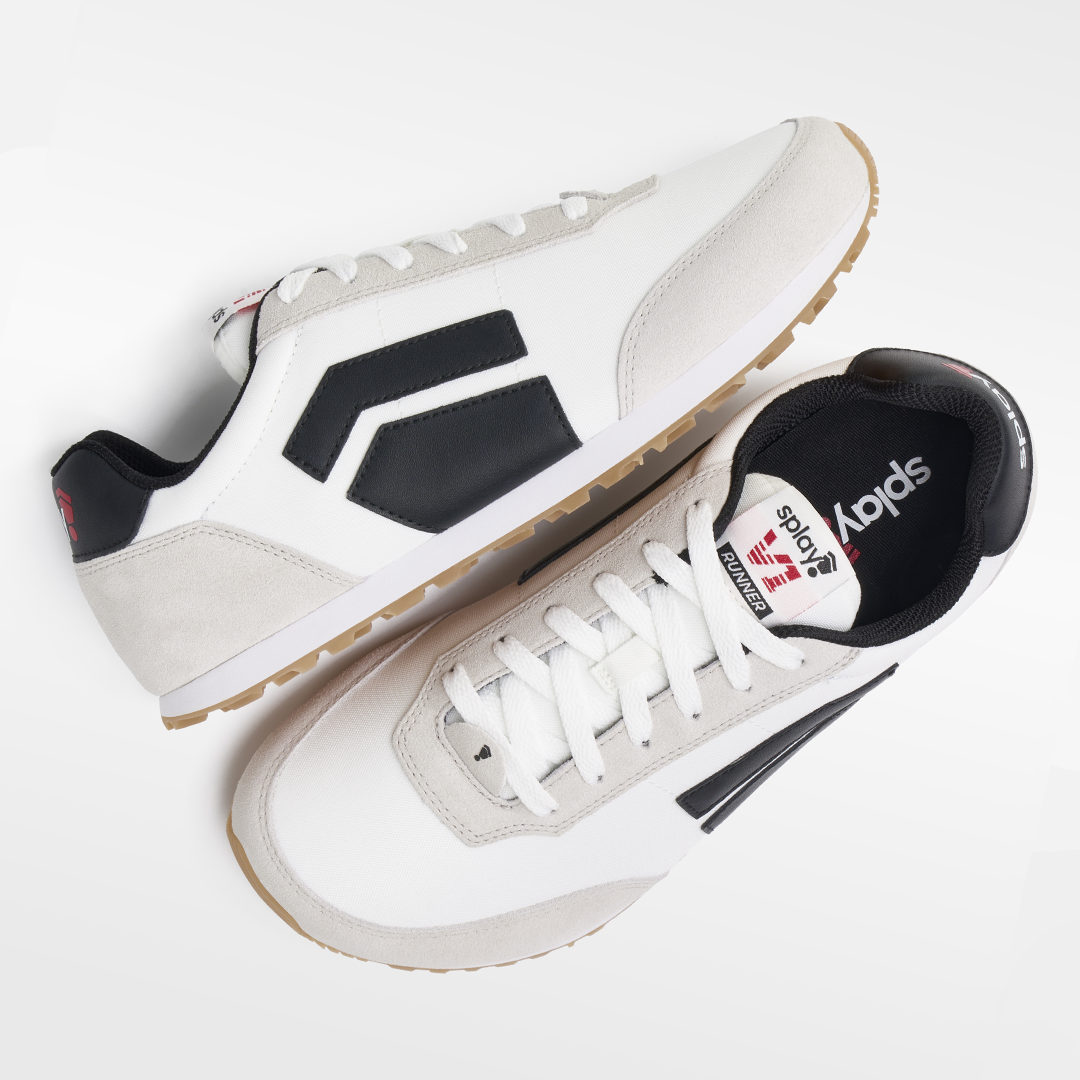
If a wider toe box, zero-drop design, and a more flexible feel sound like what your feet have been looking for, explore Splay’s zero-drop shoes collection and find a pair that fits the way you move.


