


If you overpronate, you’ve probably heard the same advice before: choose a structured shoe that controls how your foot moves.
But do you really need that much control?
Pronation is a normal part of walking and running. And while some feet roll inward more than others, overpronation does not automatically mean you need the most structured shoe you can find.
So, where do barefoot shoes fit into the picture? In this article, we’ll learn what overpronation means, whether barefoot running can help, and what to look for when choosing running shoes for overpronation.
What Is Overpronation?
Pronation is the natural inward movement your foot makes when it lands on the ground. It helps your foot adjust as you move.
Overpronation simply means your foot rolls inward more than usual.
That does not automatically mean something is wrong. Some people overpronate without pain or problems, while others may experience discomfort when running.
That is why it helps to look at the bigger picture, like:
-
How do your shoes feel?
-
Are you comfortable while running?
-
Do you regularly experience pain?
Do You Need Motion-Control Shoes If You Overpronate?
Not necessarily.
Traditional running shoes for overpronation often include firmer materials or other features designed to reduce inward movement. Some runners may prefer that feel, but that doesn't mean everyone who overpronates needs the same type of shoe.
A Cochrane review on running footwear found that prescribing shoes based on static foot posture may make little or no difference to lower-limb running injury rates.
So instead of choosing a shoe only because you overpronate, think about how it fits and feels when you actually run.
Can Barefoot Running Help With Overpronation?
Barefoot shoes do not correct or “fix” overpronation.
What they do differently is give your feet more freedom to move.
Barefoot-inspired running shoes usually have a wider toe box, a zero-drop platform, and a more flexible sole. Instead of holding your foot in one position, these features help with natural movement.
For some runners, that less restrictive feeling can be appealing.
These barefoot-inspired features take a different approach from the thicker cushioning, elevated heels, and rigid construction often found in traditional running shoes.
One important thing to remember, though: different does not always mean better overnight.
If you have spent years running in thick, raised, or highly structured shoes, barefoot-style footwear will probably feel very different at first.
What Should You Look for in Running Shoes for Overpronation?
Room for Your Toes
Your toes should not feel squeezed together while you run.
A foot-shaped toe box gives them more room to spread naturally instead of pushing them toward the middle of the shoe.
A Secure Fit
More room at the front does not mean the entire shoe should feel loose.
Your heel and midfoot should still feel secure enough that your foot doesn't slide around with every step.
A Flexible Sole
Your feet bend as you move. Your shoes should move with them.
A flexible sole can make the shoe feel less restrictive, especially if you are used to stiff running footwear.
A Level Platform
Zero-drop shoes keep your heel and forefoot at the same height.
That can feel noticeably different from traditional running shoes with an elevated heel, so give yourself time to adjust if zero drop is new to you.
A Shoe That Fits Your Running
Are you going out for short runs around the neighborhood? Building your mileage? Running several times a week?
The best running shoes for overpronation are not simply the pair with the most structure. They should fit your feet, your running habits, and the way you prefer to move.
Pay Attention to How Your Shoes Feel

It is easy to get caught up in labels like “overpronator,” “neutral runner,” or “barefoot runner.”
But your feet do not read shoe boxes.
Think about what happens during an actual run instead.
-
Do your toes feel cramped after a few miles?
-
Does the shoe feel stiff when your foot wants to bend?
-
Are you comfortable from the beginning of your run to the end?
These simple observations can help when comparing shoes.
New to Barefoot Running Shoes?
Switching shoes the day before a long run probably is not the best experiment.
Start small.
Wear your new shoes for walks, errands, or short easy runs first. Then gradually increase the time you spend in them as your feet and lower legs adjust to the different feel.
If you experience persistent foot, ankle, knee, or lower-leg pain, talk with a qualified healthcare professional rather than relying on a shoe change alone.

Frequently Asked Questions
Are barefoot shoes good for overpronation?
They can work for some runners, but they don't treat overpronation. Fit, running habits, and how the shoes feel matter too.
What are the best running shoes for overpronation?
No single pair is best for everyone. Look for a shoe that fits your foot shape, feels comfortable while running, and works for your usual mileage.
Can zero-drop shoes fix overpronation?
No. Zero-drop describes a shoe where the heel and forefoot sit at the same height. Don't view it as a way to correct overpronation.
Should overpronators avoid barefoot running?
Not automatically. If you want to try barefoot-style running shoes, start gradually and pay attention to how your body responds.
How long does it take to adjust to barefoot running shoes?
There is no set timeline. Start with shorter periods and gradually build up rather than changing your entire running routine at once.
Find a Running Shoe That Works With Your Movement
Overpronation is only one part of how you run. It does not have to decide your footwear for you.
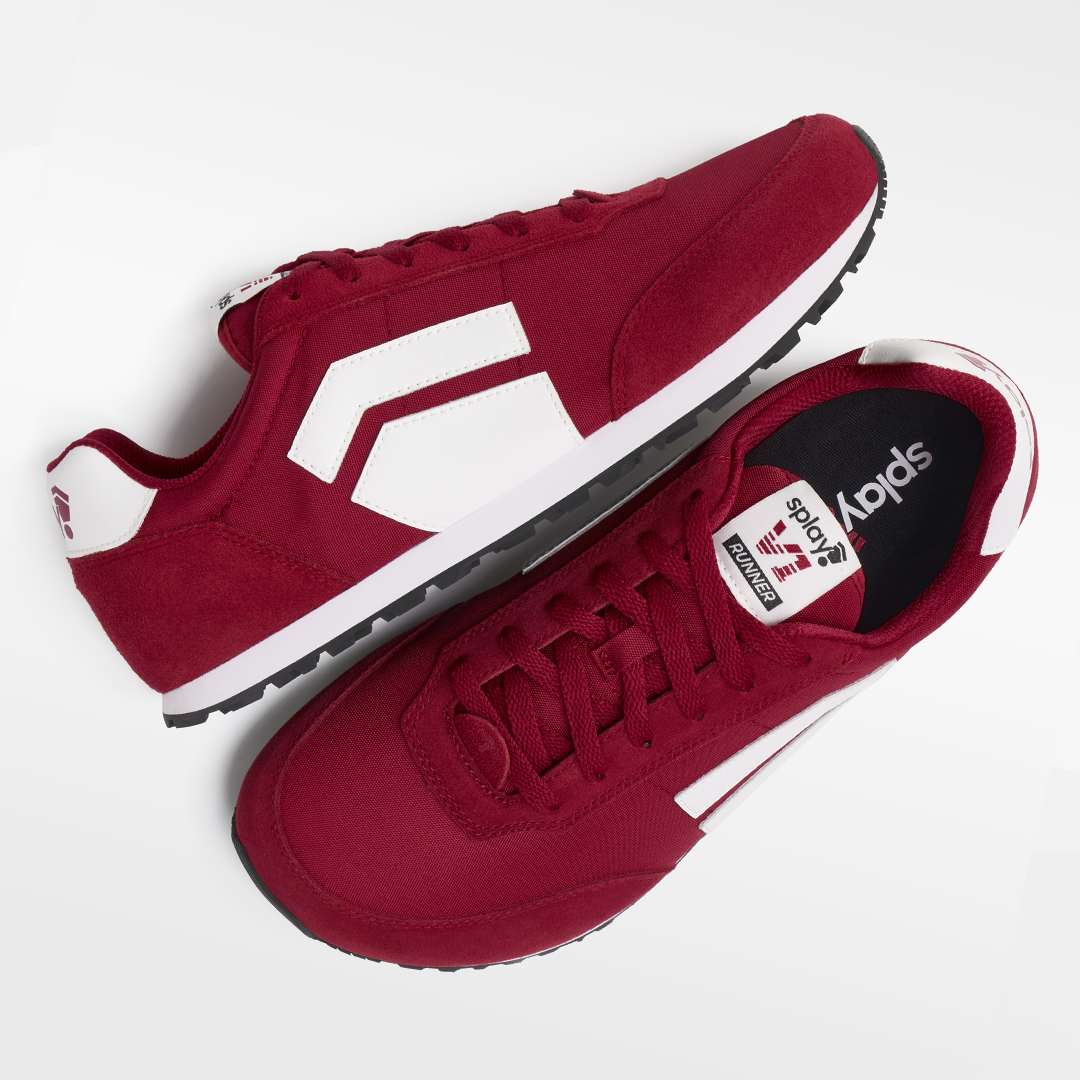
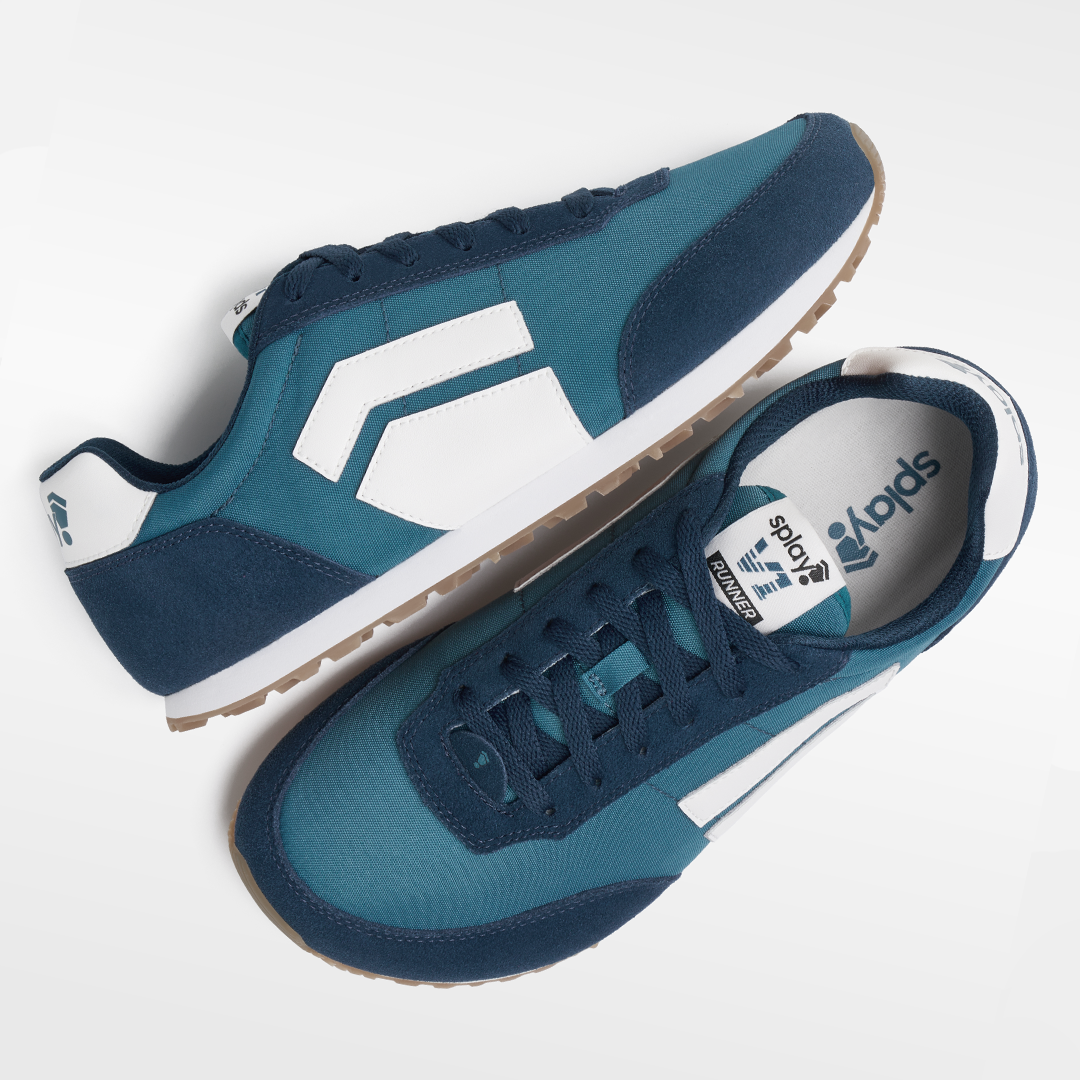
Pay attention to fit, toe room, flexibility, and how the shoe feels while you move. For a less restrictive option, Splay’s running collection includes foot-shaped, zero-drop designs made to help with natural movement.
Give yourself time to adjust, listen to what your feet are telling you, and choose the shoe that makes sense for the way you actually run.


