


Ever notice that shoes you wore comfortably for years suddenly feel a little off? The toe area feels tighter, your usual pair feels heavier, or you simply want more room to move.
Your feet can change as you get older, so the shoes that worked for you years ago may not be the best fit today.
That does not mean you automatically need a bulky shoe filled with extra features. For some people, barefoot shoes for seniors can be a simpler option, with more toe room, a level sole, and flexibility that helps with natural movement.
In this article, we will learn how your feet can change with age, what to look for in shoes for older adults, and how to decide whether minimalist footwear could work for you.
Why Your Shoes May Feel Different as You Get Older
Your feet do not stay exactly the same throughout your life.
Research on footwear for older adults notes that changes in foot shape can make poorly fitting shoes more common with age. So, even if you have bought the same shoe size for years, it can be worth checking again.
Pay attention to more than the number on the box.
-
Does the shoe feel tight across the front?
-
Are your toes touching the sides?
-
Does your heel move around when you walk?
The right fit should work with the feet you have now, not the size you remember wearing years ago.
Can Barefoot Shoes Work for Older Adults?
They can for some people. But age alone does not determine whether minimalist footwear is right for you.
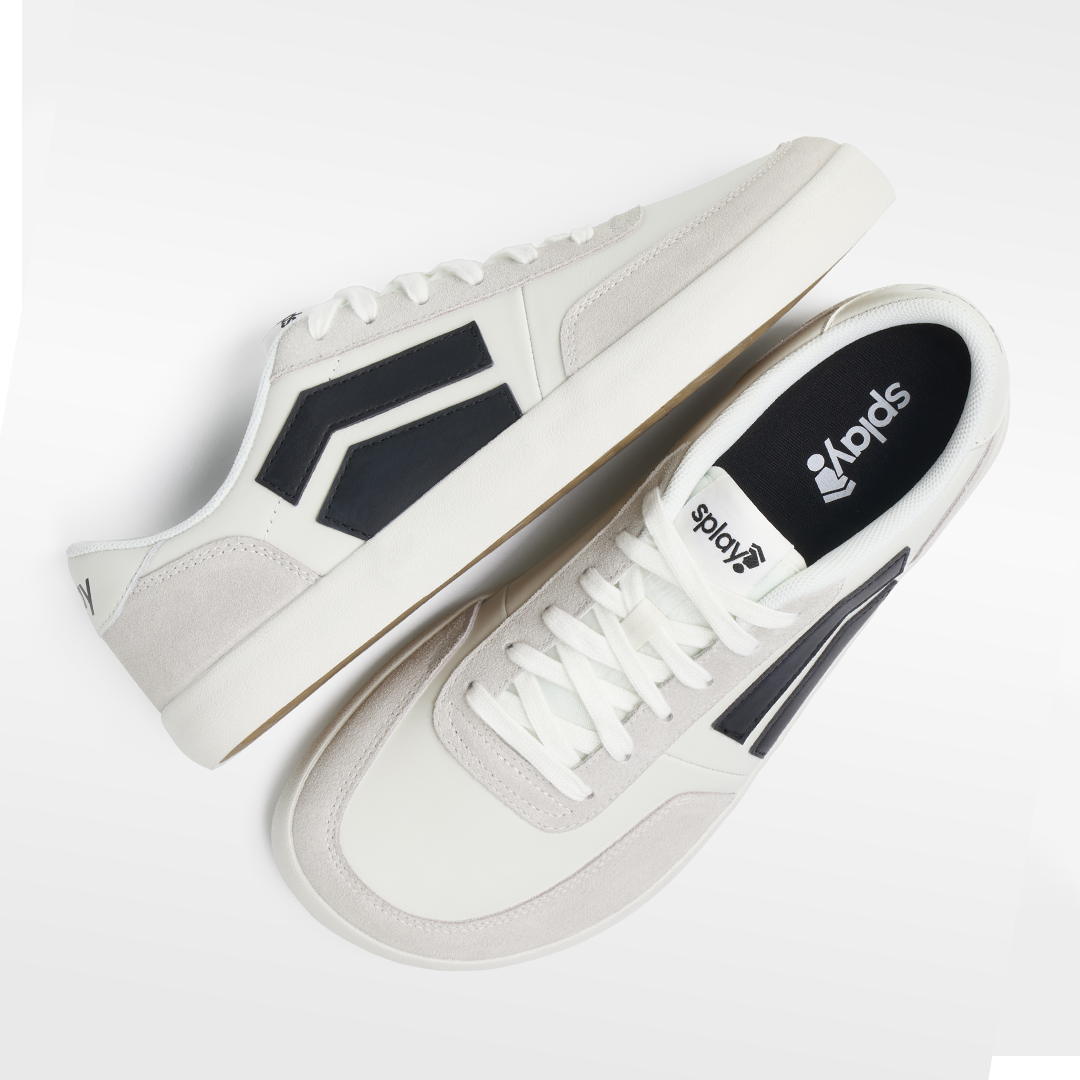
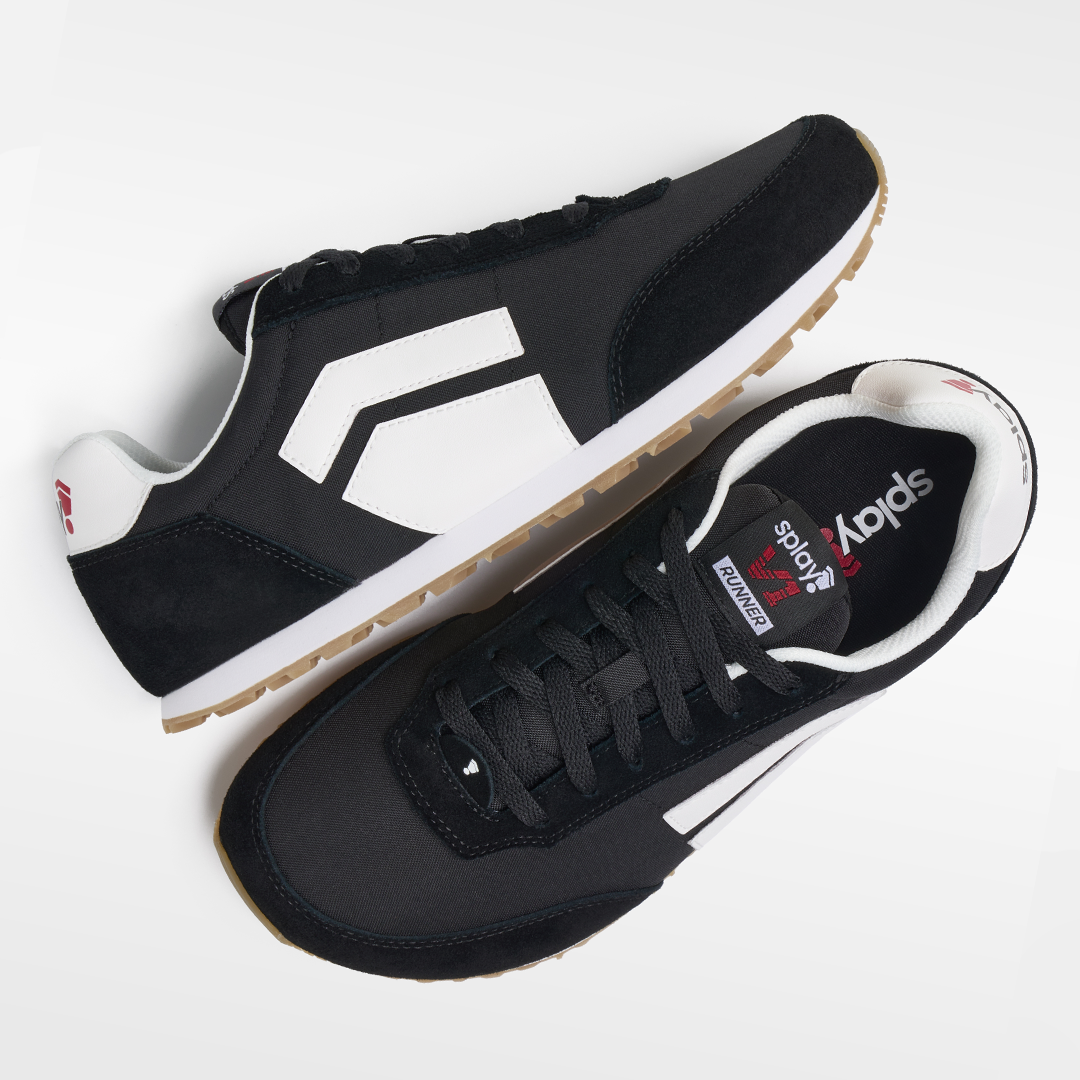
Barefoot-style shoes are usually designed with a wider, foot-shaped toe box, a zero-drop sole, and more flexibility than many traditional shoes.
A wider toe area gives your toes space to sit and spread rather than pushing them together. If the front of your shoes often feels cramped, understanding what a wide toe box is can help you see why shoe shape matters.
What Should You Look for in Shoes for Older Adults?

When you are choosing comfortable shoes for aging feet, a few practical details matter more than a long list of features.
-
Enough toe room: Your toes should have space without the shoe feeling loose everywhere else.
-
A secure fit: Your heel and midfoot should stay comfortably in place while you walk.
-
Good traction: Consider the surfaces you use most, from smooth indoor floors to sidewalks and outdoor paths.
-
Useful flexibility: Your shoes should move with your feet without feeling difficult to control.
-
The right size now: Feet can change, so check your measurements rather than automatically ordering your usual size.
You can also use the sizing guide to compare your measurements before choosing a pair.
Think About Where You Actually Wear Your Shoes
The best shoe for you should make sense for those everyday situations.
If you spend most of your time on sidewalks and indoor floors, your needs may differ from someone who regularly walks on trails. If you are on and off your feet all day, weight and flexibility may matter more to you than they would for occasional wear.
Ask yourself:
-
Where will I wear these most often?
-
How long am I usually on my feet?
-
Do I want one everyday pair or footwear for a specific activity?
-
Does the shoe still feel good after I have been wearing it for a while?
These questions can help you find shoes that fit your routine.
New to Barefoot Shoes? Give Yourself Time
Switching from conventional shoes to zero-drop, flexible footwear can feel different after years in raised heels or stiff soles.
There is no prize for changing overnight.
Start with shorter periods around the house, on errands, or during an easy walk. Pay attention to how your feet and lower legs feel, then increase wear gradually if the shoes continue to feel good. For longer days on your feet, choose barefoot walking shoes that feel comfortable and work with your routine.

Frequently Asked Questions
Are barefoot shoes good for seniors?
They can work well for some older adults. Fit, traction, daily activities, and individual needs matter more than age alone.
What should seniors look for in everyday shoes?
Look for enough toe room, a secure fit, suitable traction, and a shoe that feels comfortable during your normal routine.
Can feet get wider with age?
Foot shape can change over time. That is why measuring your feet again can be useful, even if you have worn the same size for years.
Should seniors switch to minimalist shoes quickly?
A gradual transition is usually more practical. Begin with shorter wear periods and increase them based on how your feet feel.
Can older adults wear zero-drop shoes for walking?
Some can. If zero-drop footwear is new to you, start with shorter walks, then gradually increase the distance.
Choose Shoes for the Way You Move Today
Getting older doesn't mean your footwear needs to get more complicated. It simply means paying closer attention to what feels right now.
Toe room, fit, traction, flexibility, and your daily routine are all worth considering when choosing barefoot shoes for seniors.
Take your time, listen to how your feet feel, and choose footwear that helps with natural movement instead of squeezing your feet into a shape that no longer works for you.
Explore Splay’s casual shoes and find a pair that fits the way you move today.


