


More cushioning or more ground feel? If you're choosing between regular and barefoot running shoes, you've probably wondered which approach actually helps you perform better.
Barefoot running shoes prioritize toe room, flexibility, and ground feel, while regular running shoes typically add more cushioning and structure. So which performs better? It depends on what matters most to your run.
In this blog, we'll compare barefoot running shoes and regular running shoes side by side, look at what the research says, and help you decide which approach fits the way you run.
For this comparison, we're talking about conventional daily running shoes, not carbon-plated racing shoes or other specialized performance footwear.
Barefoot vs. Regular Running Shoes: The Quick Comparison
|
Feature |
Barefoot / Minimalist Running Shoes |
Regular Running Shoes |
|
Toe box |
Usually foot-shaped and roomier |
Varies; many taper more at the front |
|
Heel-to-toe drop |
Usually zero or very low |
Commonly some heel-to-toe drop |
|
Flexibility |
Generally more flexible |
Often more structured |
|
Ground feel |
Higher |
Usually lower |
|
Cushioning |
Low to moderate |
Usually moderate to high |
|
Weight |
Often lighter |
Varies widely |
What Does “Better Performance” Actually Mean?
If performance only meant speed, this would be easy.
But runners care about more than pace. You may want a shoe that feels comfortable, gives your toes space, lets you feel the ground, or simply works with the way you like to move.
So it helps to think about performance in terms of running economy, fit, cushioning, flexibility, and ground feel.
Once you know which of those matters most to you, the comparison becomes much clearer.
Do Barefoot Running Shoes Actually Make You Faster?
Sometimes, but not simply because they are barefoot shoes.
A recent systematic review found that barefoot and minimalist running conditions may improve running economy, or how much energy your body uses to maintain a pace. But the same review also found benefits from cushioning and shoe stiffness, so minimalist design is not the only way to run efficiently.
One study of trained runners also found slightly better 5K performance in minimalist shoes. However, much of the improvement in running economy was linked to the shoes being lighter.
The takeaway? Minimalist running shoes can feel efficient for some runners, but wearing less shoe does not automatically make you faster. Shoe weight, cushioning, design, and the runner all matter.
What Changes When You Run in Less Shoe?
This is where barefoot running shoes can feel noticeably different.
A foot-shaped toe box gives your toes room to spread. A zero-drop platform keeps your heel and forefoot at the same level. Flexible construction lets the shoe move more easily with your foot, while less material underfoot usually means more ground feedback.
You may move differently in less shoe, too. Studies have found changes in stride length, step rate, and how the foot meets the ground, although those changes vary by runner.
A shoe can't create natural running form for you. It simply changes what sits between your foot and the ground.
Where Do Regular Running Shoes Have the Advantage?
If you are used to conventional running shoes, familiarity can be an advantage. A cushioned daily trainer puts more material between you and the road, which some runners prefer for a softer ride and less ground feedback.
Cushioning and shoe stiffness can also improve running economy, so conventional and minimalist shoes simply prioritize different things.
Is One Actually Safer to Run In?
Neither shoe type can guarantee that you will avoid injury.
Changing footwear can change where your body handles the work of running. A 2026 systematic review found a higher injury risk during the transition to minimalist footwear, with issues reported around areas such as the forefoot, calves, and Achilles tendon.
That does not mean minimalist footwear is inherently unsafe. It means the way you transition matters.
So, Which Running Shoe Is Better for You?

Barefoot running shoes may make more sense if you value:
-
A roomy, foot-shaped toe box
-
Zero or very low drop
-
More flexibility and ground feel
-
A lighter, less structured shoe
Regular running shoes may suit you better if you prefer:
-
More cushioning
-
A familiar heel-to-toe setup
-
Less ground feedback
-
A more structured ride
Think of it this way: barefoot shoes generally prioritize freedom and ground feel, while conventional shoes put more cushioning and structure between your foot and the road.
New to Minimalist Running Shoes? Give It Time
If you have spent years in conventional shoes, minimalist running shoes may feel different at first.
Start with shorter walks or easy runs and build up gradually. The goal is to give yourself time to adjust, not force a new stride overnight.

Frequently Asked Questions
Are barefoot running shoes better than regular running shoes?
Not for everyone. Barefoot shoes prioritize natural movement, toe room, flexibility, and ground feel, while regular shoes often prioritize cushioning and familiarity.
Are barefoot running shoes faster?
They can be efficient for some runners, but they will not automatically make you faster. Shoe design, weight, and running style all matter.
Are minimalist running shoes the same as barefoot shoes?
The terms overlap, but minimalist shoes can vary in cushioning and stack height. Barefoot-inspired designs usually emphasize flexibility, low or zero drop, and a foot-shaped toe box.
Do barefoot running shoes have cushioning?
Some do. Barefoot-inspired does not always mean completely uncushioned.
Can I switch straight from regular running shoes to barefoot shoes?
Transition gradually if you are used to more cushioning and heel-to-toe drop.
Performance Starts With How You Want to Move
So, what actually performs better? No single winner fits every category. Barefoot running shoes stand out when you value toe freedom, flexibility, ground feel, and a level platform. Regular running shoes may make more sense when cushioning, familiarity, and a more structured ride matter more.
The best choice matches how you want to run.
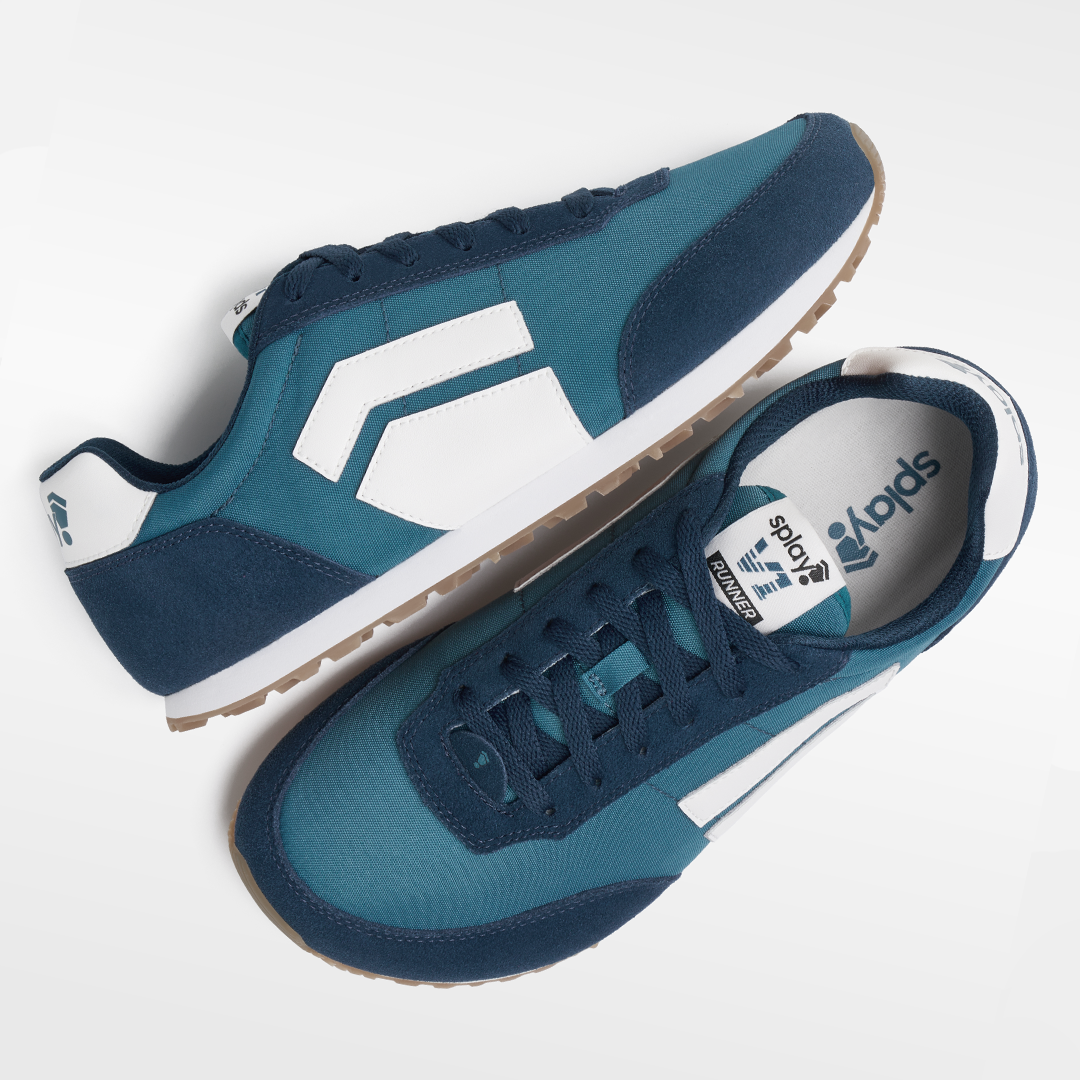
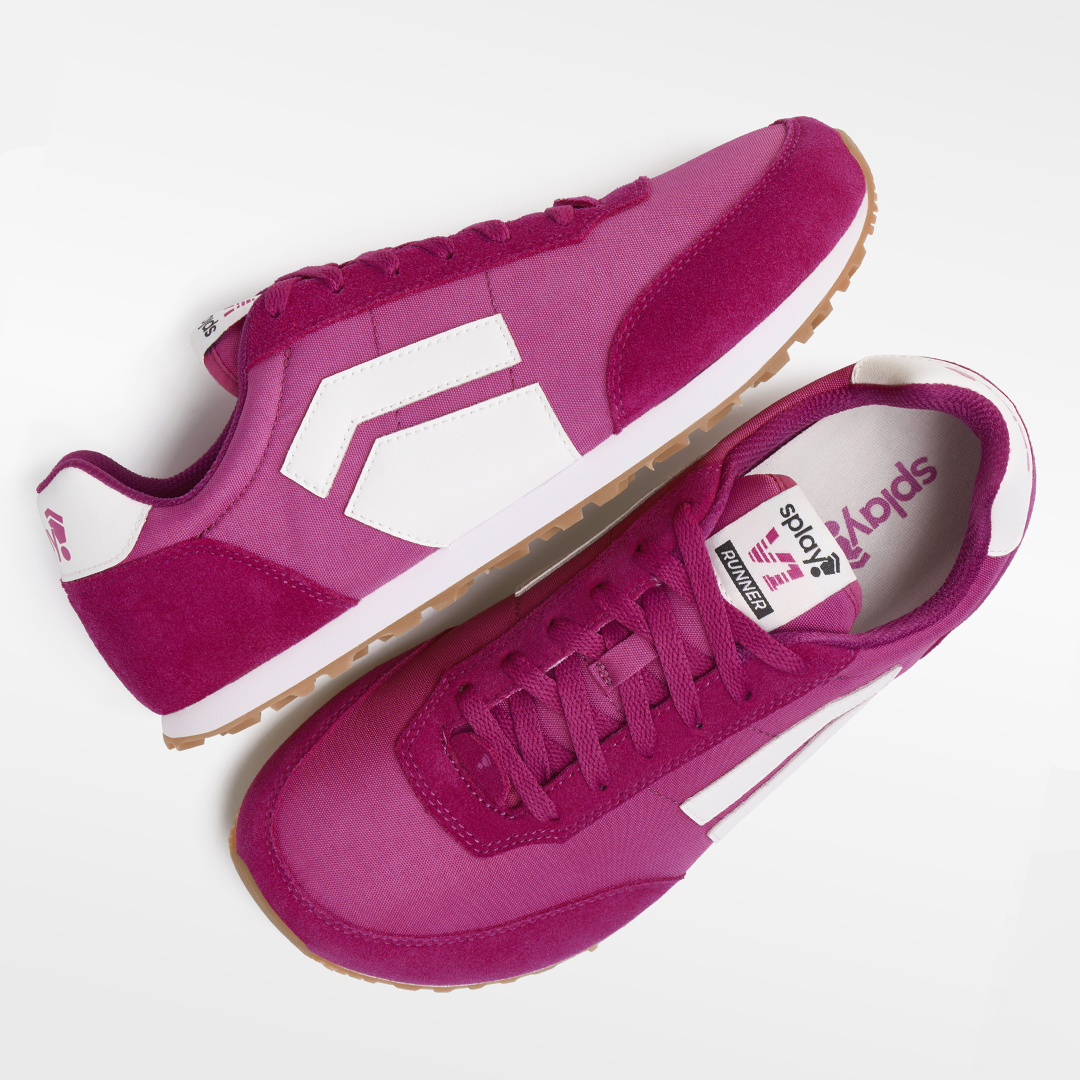
If natural movement, toe room, and a lower-profile feel sound more like your kind of run, explore our RUNNER V1 collection and find the fit that feels right for your miles.


