


A shoe can say “wide” on the box and still feel surprisingly narrow once you put it on.
Maybe your heel feels fine, but your toes are crowded. Or there is plenty of space through the middle while the front still feels tight. That is because a good fit is about more than width. Shoe shape matters too.
For wider feet, especially around the forefoot and toes, the right toe-box shape can make a noticeable difference. Barefoot shoes often give your toes more room, but that does not mean every barefoot shoe will fit every wide foot.
In this article, we'll look at how barefoot shoes should fit wide feet, what to check before buying, and how to tell when you've found a pair that actually works for your foot shape.
Why Wide Feet Need More Than a “Wide” Label
A wide shoe and a wide toe box aren't necessarily the same.
Some shoes add width through the middle while still narrowing toward the toes. If the front of the shoe tapers inward, your toes can still end up crowded even when the shoe is technically sold as “wide.”
That is why shape matters.
A foot-shaped toe box gives your toes more room to sit and spread naturally. At the same time, the shoe should still feel secure through the heel and the rest of your foot.
And remember, not all wide feet are shaped the same. You may need more room around the ball of your foot, while someone else may have a wider midfoot.
The best barefoot shoes for wide feet match your foot shape rather than simply having the word “wide” on the box.
How Should Barefoot Shoes Fit Wide Feet?
Start with how the shoe feels rather than focusing only on the size number.
Your toes should lie naturally without pressing into the sides. You should also have enough space in front of your longest toe without feeling like your foot is sliding around inside the shoe.
FootCareMD recommends fitting shoes to your larger foot and making sure the widest part of your foot lines up with the widest part of the shoe.
When trying on a pair, ask yourself:
-
Can my toes spread without hitting the sides?
-
Does the shoe feel tight across the front of my foot?
-
Does my heel stay comfortably in place when I walk?
-
Is there enough space in front of my toes?
-
Does the shoe feel secure without squeezing?
Try the shoes with the socks you normally wear. A fit that feels fine with thin socks may feel completely different with thicker ones.
You can also learn more about why a shoe's front shape matters in our guide to wide toe box shoes.
Do Not Size Up Just to Get More Width
When a shoe feels too narrow, going up a full size can seem like an easy fix.
But a longer shoe may still be too narrow where your foot needs more space. You could end up with extra room in front of your toes while the forefoot still feels tight. Your heel may also begin to slip as you walk.
Instead, measure both feet and compare those measurements with the brand's sizing information. The Splay sizing guide can give you a better starting point.
Think of it this way: you are looking for the right shape and size, not simply a bigger shoe.
Think About What You Will Actually Do in Them

Finding the right fit is only half the decision.
Where are you planning to wear your shoes?
A pair for walking around town may need to do something different from a shoe you use for running, hiking, or workouts.
If you are shopping for everyday wear, focus on a shape that feels comfortable during normal walking and standing.
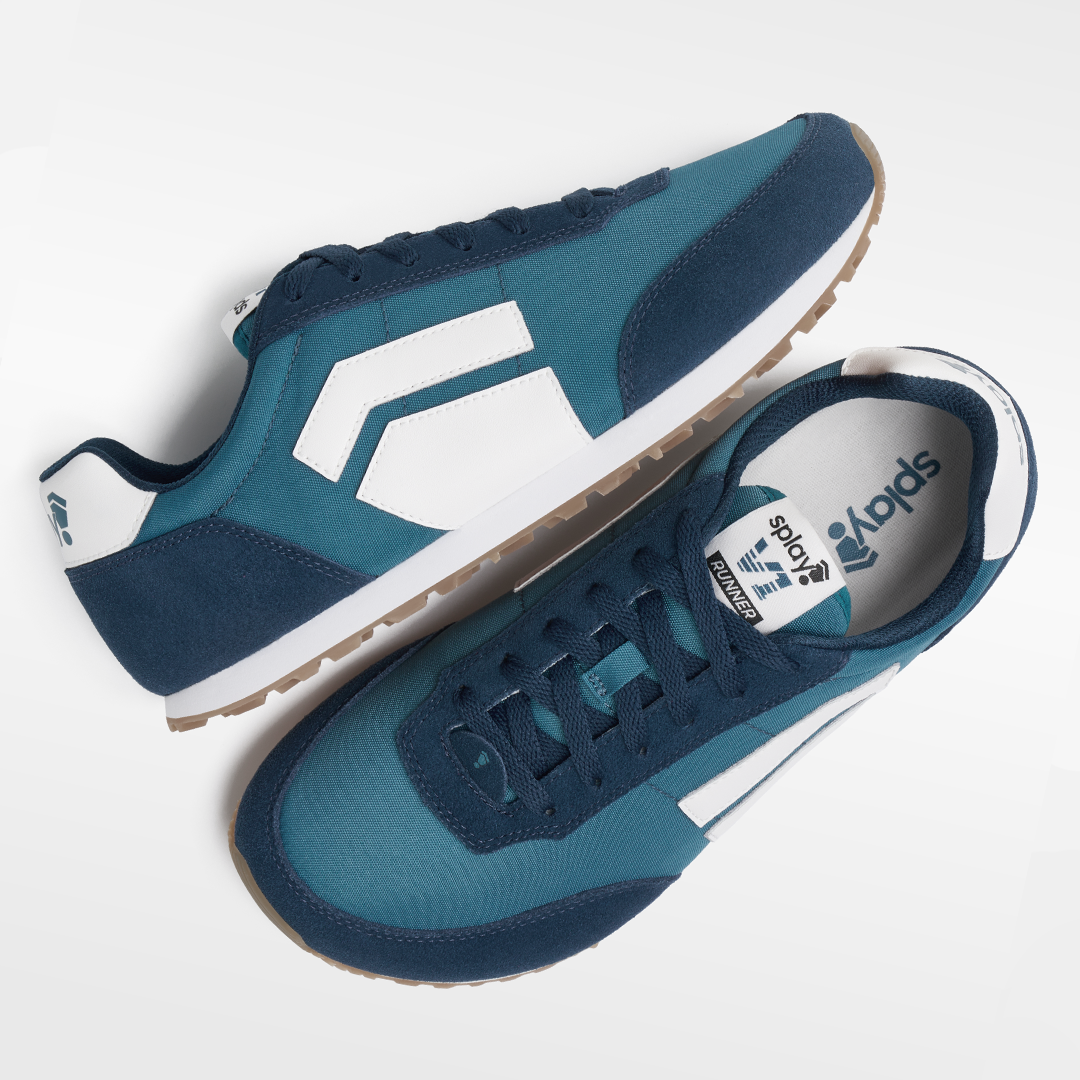
If you’re planning to run, choose footwear made for running rather than assuming every barefoot shoe is built for it. Toe room, flexibility, and a level platform can matter differently once you start covering more miles, which is where natural running shoes come into play.
The same goes for hiking. Fit still matters, but so do grip, flexibility, and the kind of terrain you’ll be walking on. Barefoot shoes for hiking need to make sense for the trail.
The activity should help you choose the shoe, not the other way around.
New to Barefoot Shoes? Give Your Feet Time
Barefoot footwear can feel noticeably different if you usually wear shoes with thicker soles or raised heels.
There is no need to switch everything at once.
Start with shorter walks, errands, or a few hours of everyday wear. As the different feel becomes more familiar, you can gradually spend more time in them.
The goal is not to rush the transition. It is to find footwear that feels good and helps your feet move naturally.


Frequently Asked Questions
Are all barefoot shoes good for wide feet?
No. Barefoot shoes can have different shapes and widths. Check the toe box, midfoot fit, and sizing information before choosing a pair.
How do I know if my shoes are too narrow?
If your toes feel squeezed, press against the sides, or cannot sit naturally, the shoe's toe box may be too narrow for your foot.
Should I size up if I have wide feet?
Not automatically. A larger size adds length and room. Measuring your feet and checking the sizing guide usually gives you a better starting point.
Should my toes touch the end of barefoot shoes?
No. Your longest toe should have a little room in front of it rather than pressing against the shoe. As a general fit check, aim for about a finger's width of space.
Are barefoot shoes only for walking?
No. Different barefoot-style shoes are made for different activities. Choose footwear based on what you actually plan to do in it.
How do I know if a barefoot shoe is wide enough for me?
Your toes should sit naturally without pressing against the sides, and the widest part of your foot should line up comfortably with the widest part of the shoe. Walk around before deciding, since pressure can be easier to notice once you start moving.
Find the Fit That Works With Your Feet
Finding barefoot shoes for wide feet is not about choosing the biggest or widest pair you can find.
It is about finding a shape that gives your toes room while still feeling secure through the rest of your foot.
Walking, traveling, training, or simply spending more time on your feet? Start with your foot shape and what you need your shoes to do.
If you're ready to give your feet a little more room to move naturally, explore Splay's Everyday Movement collection and find the style that feels right for you.


