


Back pain is one of those problems that follows you everywhere. It shows up when you sit at your desk, when you stand in line, when you try to get a good night's sleep. You stretch, you adjust your posture, you try a new chair, and still it lingers.
You rarely question the one thing you wear every day: your shoes. But they could be doing more harm than you realize, and understanding why is the first step toward feeling better.
In this blog, we'll explore how your shoes may be impacting your back and what you can do to support healthier movement and lasting comfort.
The Connection Between Your Feet and Your Back
Every step you take begins with your feet. The way they move affects much more than just your feet, it influences how your ankles, knees, hips, and spine work together.
When your feet can move the way they were designed to, the rest of your body moves more efficiently. When they can't, the joints and muscles above them often have to compensate.
Research, including findings from the Framingham Foot Study, has found a relationship between foot posture and back pain, particularly in women whose feet roll inward while walking. While back pain has many possible causes, the study highlights the important role your feet can play in overall movement and alignment.
The shoes you wear can influence that movement in subtle ways. A raised heel shifts your weight forward, a narrow toe box limits the natural position of your toes, and a stiff sole reduces how your foot bends with each step. Over time, those changes can affect the way you walk and how your body distributes force.
Common Shoe Features That Can Contribute to Back Pain

Not every pair of shoes supports the way your feet are meant to move. While no single shoe feature is guaranteed to cause back pain, certain design elements can change your posture, gait, and the way forces travel through your body over time.
Raised Heels
Most people associate heel elevation with high heels, but the truth is that the majority of everyday sneakers have a noticeable heel rise built in. Even a small amount of elevation tilts your pelvis forward, which increases the curve in your lower back. Your lumbar spine then carries extra load with every step.
However, barefoot shoes use a zero-drop design, keeping your heel and forefoot at the same height. This encourages a more natural posture and helps your pelvis stay in a more neutral position.
Narrow Toe Boxes
Your toes are meant to spread as your foot hits the ground. That spread gives you balance. A narrow toe box prevents that, which forces your body to find balance elsewhere.
Barefoot shoes solve this with a wide, foot-shaped toe box that gives your toes room to spread naturally, helping your feet create a stronger, more stable foundation.
Thick, Rigid Soles
Thick, stiff soles reduce the amount of feedback your feet get from the ground. That feedback helps your body adjust naturally with each step. When it's limited, your gait can become less natural, and your feet may not absorb impact as effectively.
Instead, barefoot shoes use thin, flexible soles that allow your feet to bend, flex, and respond to the ground beneath you. This encourages a smoother, more natural walking pattern while allowing your feet to do more of the work they were designed for.
Switching shoes isn't a cure for every type of back pain, and footwear is only one piece of the puzzle. But if the way your shoes affect your posture and movement is contributing to discomfort, choosing footwear that supports more natural foot function can be a simple change that makes a meaningful difference over time.
Frequently Asked Questions
Can barefoot shoes cause back pain at first?
Some people feel new soreness in their calves, feet, or lower back during the transition. That's your body adjusting to a different stride. It usually settles once your feet get stronger.
How long does the switch take?
A few weeks to a few months, depending on how much walking you do and how you start. Short, steady wear beats going all-in on day one.
Are minimalist shoes okay for standing all day?
Once you're through the transition, many people find a flat, flexible shoe easier to stand in than a cushioned one. Ease into it before you try a full workday.
Do I need to wear zero-drop shoes all the time?
No, rotating pairs while your feet get used to the new shape is fine. What matters is spending more of your day in shoes that let your feet work.
How to Transition to Barefoot Shoes Safely
Switching from cushioned shoes to barefoot shoes takes time. After years of relying on extra support, your feet need a chance to rebuild strength and adapt to moving more naturally.
Start with short periods of wear and gradually increase your time over several weeks. Mild muscle fatigue is normal, but sharp or persistent pain is a sign to slow down. Gentle calf stretches and simple foot mobility exercises can also help make the transition more comfortable.
If you have an existing foot or back condition, speak with a healthcare professional before making the switch.
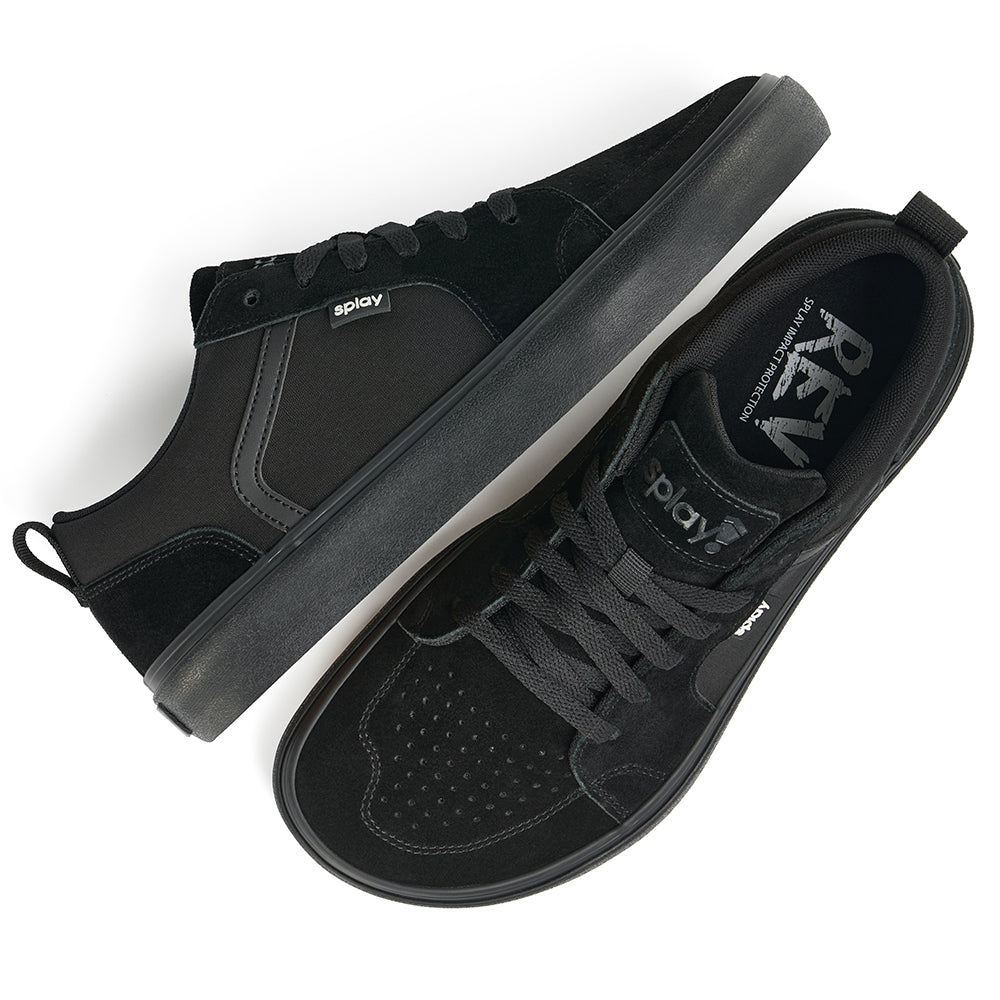
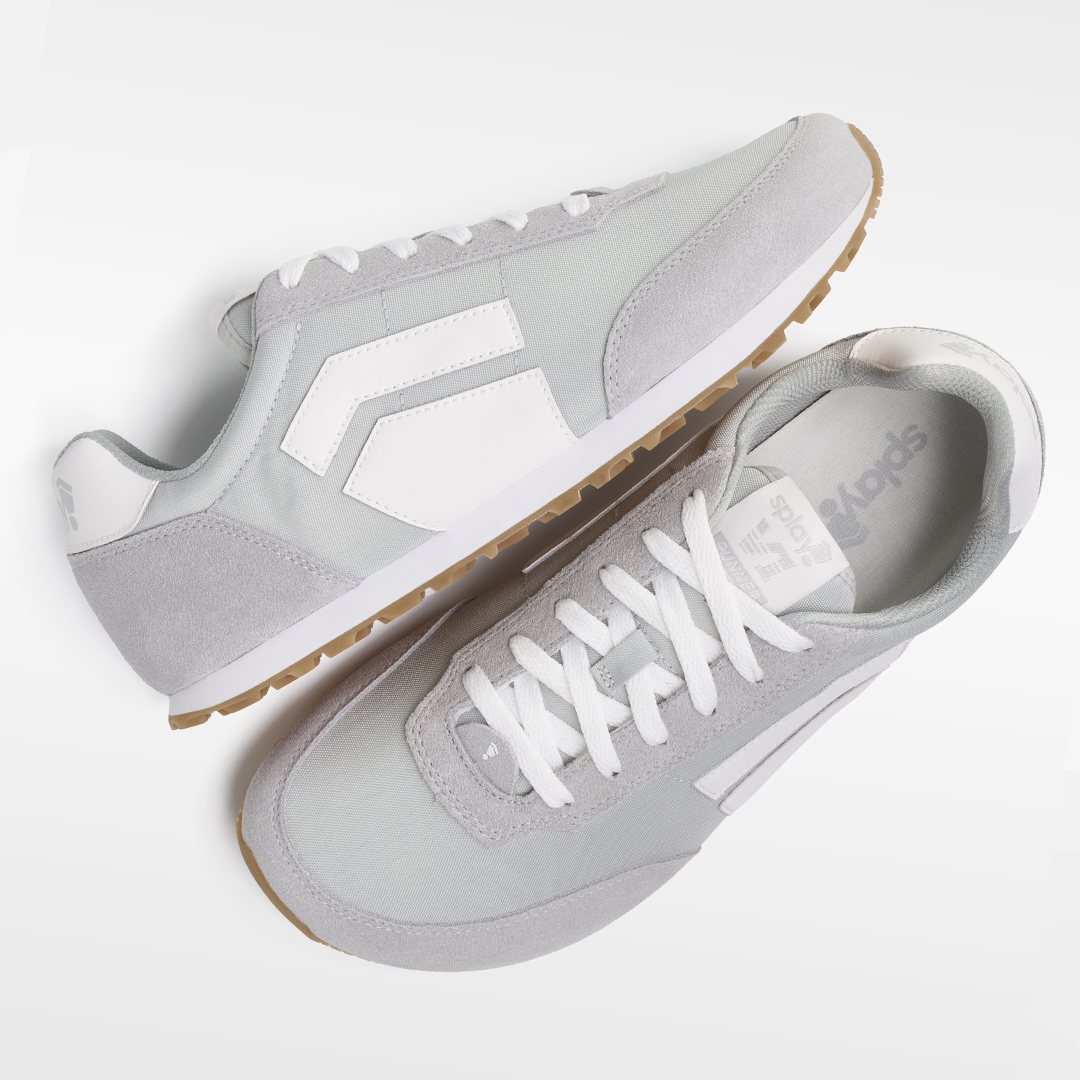
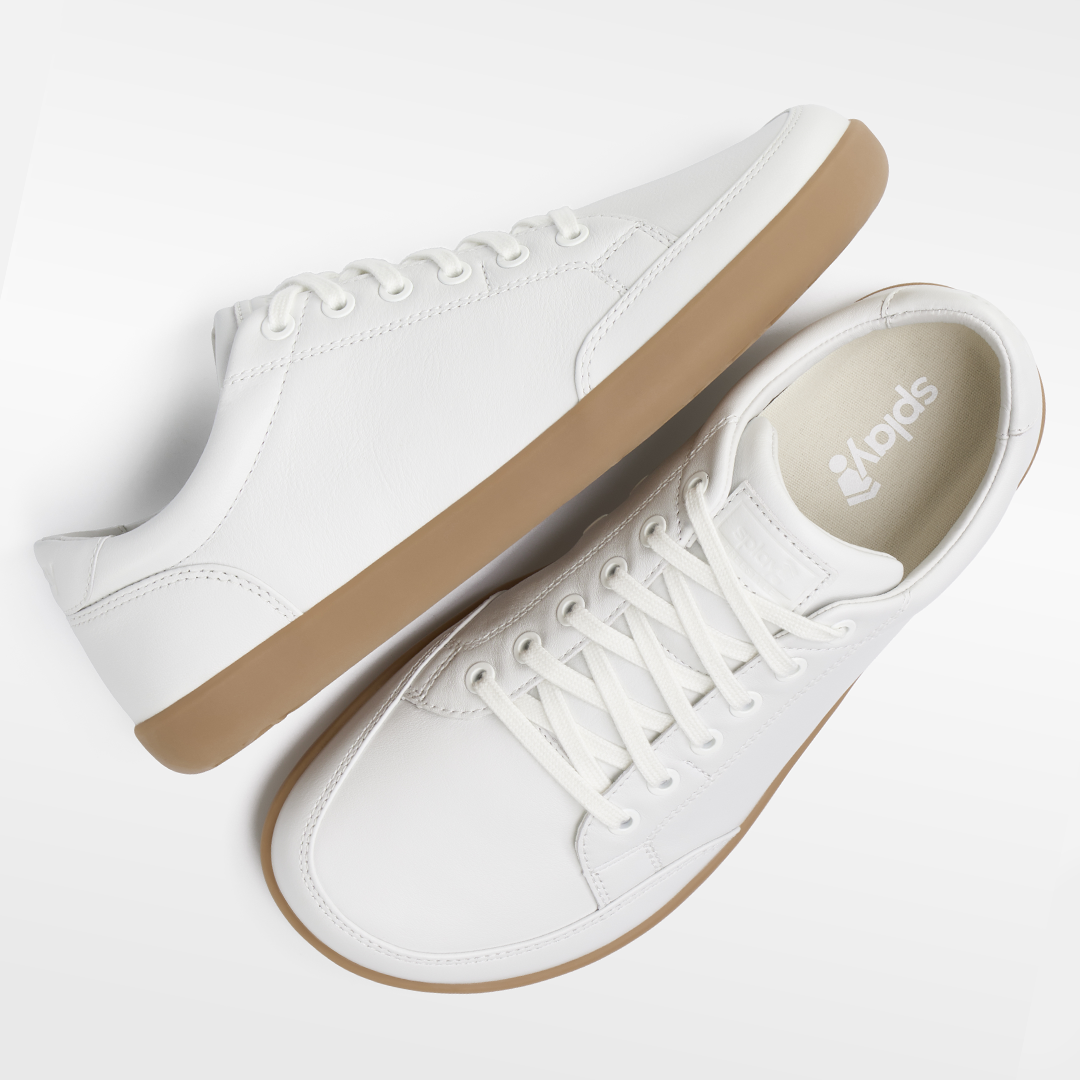
Ready to get started? Explore Splay's collection of barefoot shoes and find a pair designed to help your feet move naturally, one step at a time.


