


If you spend most of your day on your feet, you know the feeling. That dull ache in your heels by mid-afternoon. The tightness across your toes. The heaviness in your legs by the time you finally sit down. You've probably tried insoles, gel pads, and shoes that promise "all-day comfort." And yet, here you are.
So what if the problem isn't that your feet need more cushioning, but that they need more freedom?
That's the idea behind barefoot shoes for standing all day. Instead of propping your feet up on thick foam and elevated heels, these shoes let your feet work the way they were designed to. It's a different approach, and it's helping many people find real, lasting comfort on their feet.
Why Standing All Day Hurts
Most shoes marketed as comfortable for standing rely on thick cushioning and elevated heels. And while that might feel nice for the first hour, it can actually create problems over time.
An elevated heel shifts your weight forward, putting extra pressure on the balls of your feet. Thick, rigid soles prevent your foot muscles from engaging, which means they weaken over time. And narrow toe boxes squeeze your toes together, limiting circulation and balance.
Your feet have 26 bones, 33 joints, and over 100 muscles, tendons, and ligaments. They're built to move, flex, and adapt. When a shoe takes over all of that work, your feet don't get stronger. They get weaker. And that's when the aches set in.

How Barefoot Shoes Help with All-Day Standing
Barefoot shoes flip the script on what "comfortable shoes for standing" actually means. Instead of adding layers between you and the ground, they strip things back to the basics.
1 Zero-drop soles keep you level. When your heel and forefoot are at the same height, your weight is distributed more evenly. This takes pressure off your lower back, knees, and heels.
Zero-drop means your heel and toe stay on the same level, just like when you're walking barefoot at home.
2 Wide toe boxes let your toes spread. Your toes are your body's natural stabilizers. When they can splay out, you get better balance and more even weight distribution across your entire foot. That's a big deal when you're standing for eight hours or more.
3 Flexible soles keep your muscles engaged. A thin, flexible sole lets the small muscles in your feet actually do their job. Over time, this builds strength and endurance that cushioned shoes can never provide.
#4 Lightweight construction reduces fatigue. Heavy shoes add up over a long shift. Lightweight barefoot shoes take the extra weight off your feet so you can stay comfortable longer.
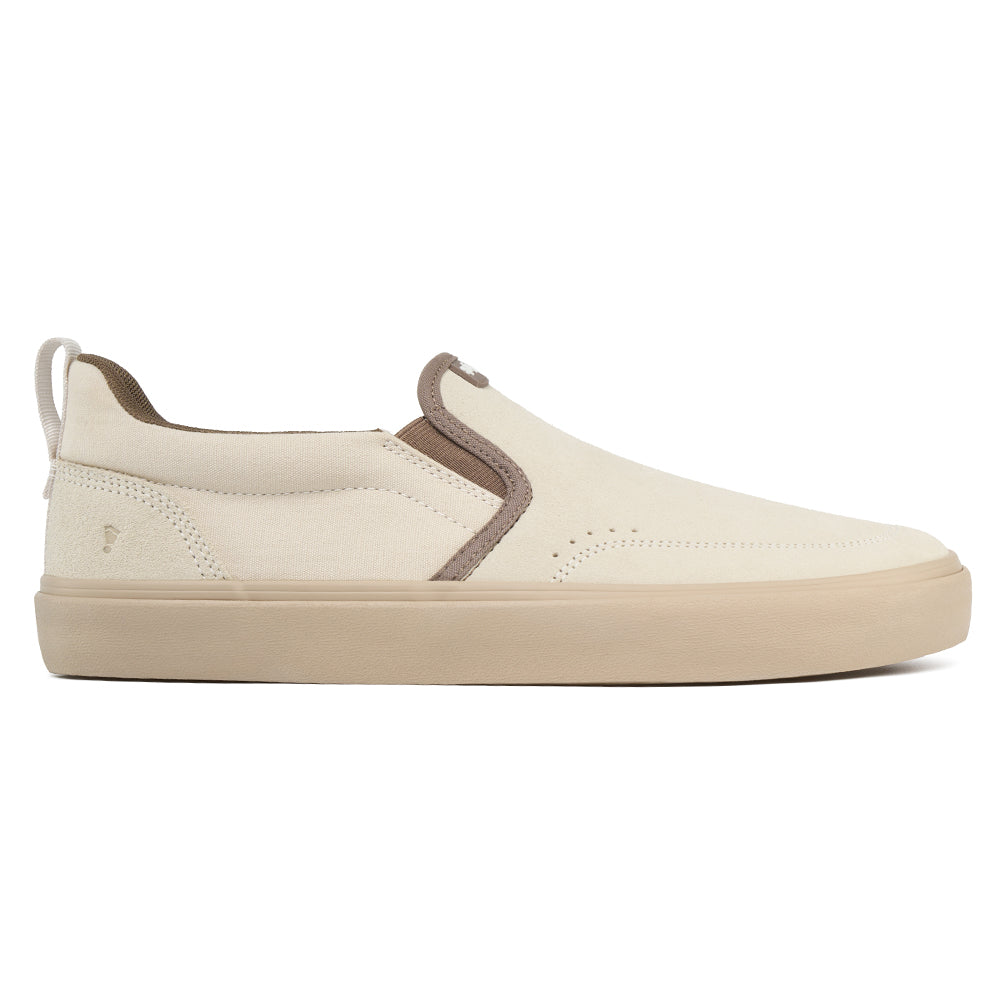
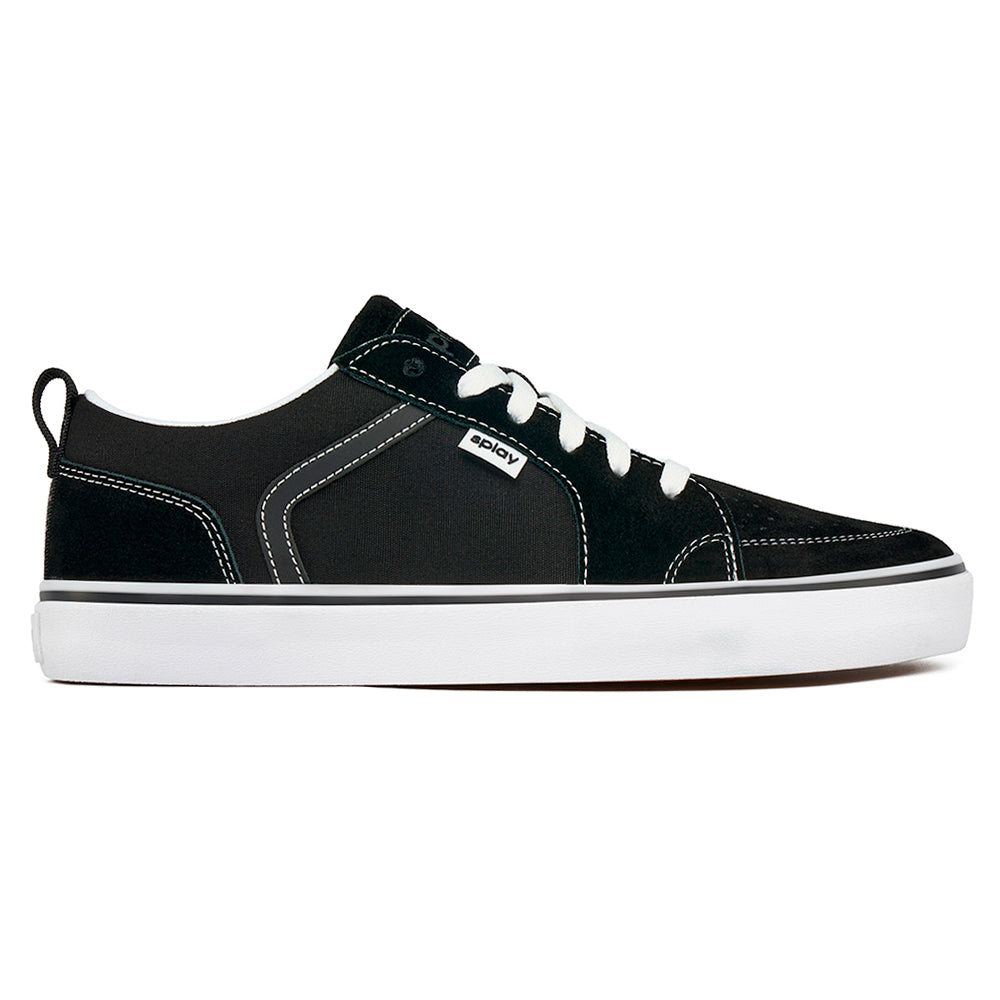
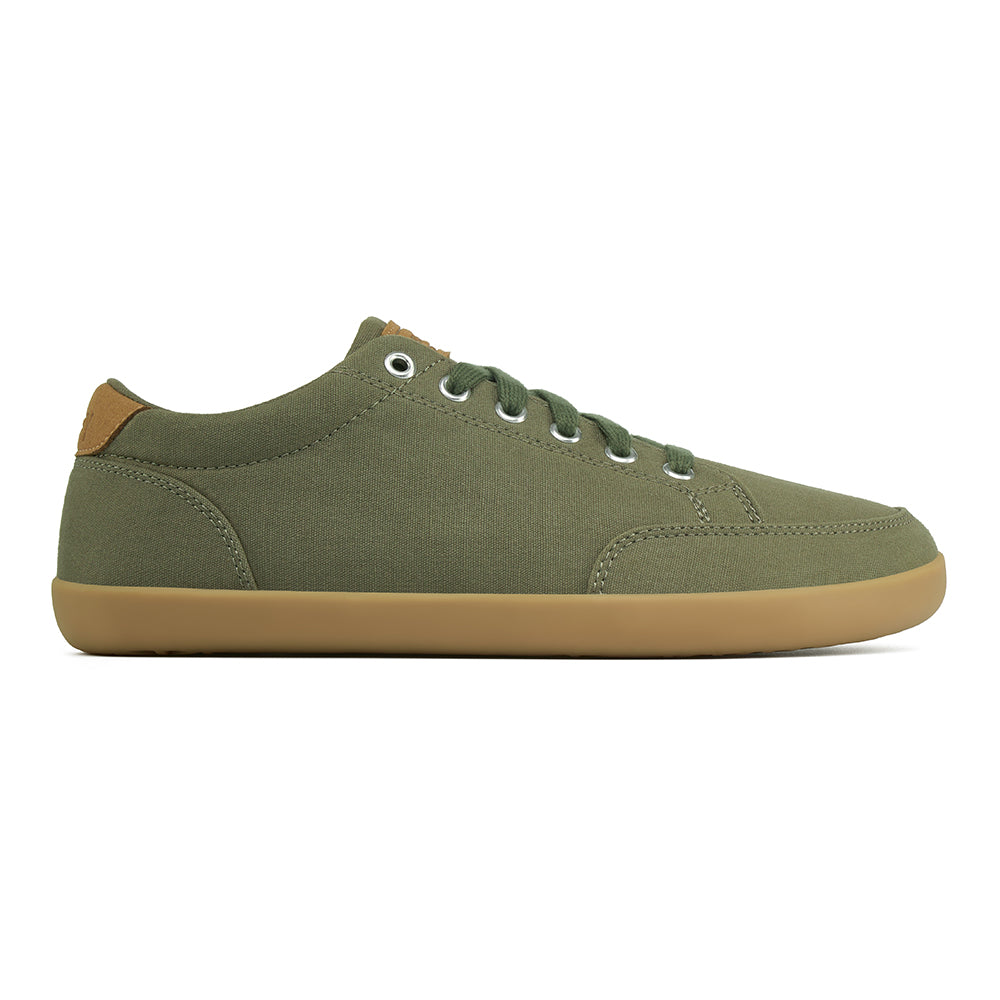
These qualities make barefoot shoes an ideal choice for those who stand all day. Splay has a selection of barefoot shoes for you. You can pick the shoes that fit your lifestyle best.
Making the Transition
If you've been wearing traditional shoes with thick soles and elevated heels for years, switching to barefoot shoes overnight might feel overwhelming. Your feet need time to adjust.
Start by wearing your barefoot shoes for a few hours a day. Walk around the house, run errands, and take short walks. Gradually increase your wear time over a couple of weeks. Most people find the transition to barefoot shoes surprisingly smooth once their feet begin to build strength.
Some tips to help the transition:
-
Stretch your calves and feet daily. Rolling a tennis ball under your foot for a few minutes each morning helps wake up muscles that may have been dormant in padded shoes.
-
Go slow. There's no rush. Your feet have spent years in conventional shoes, and it takes time to rebuild that natural strength.
-
Listen to your body. Some mild soreness is normal in the beginning, similar to starting a new workout. If something feels off, scale back a bit and give your feet more time to adjust.
Always pay attention to your body during the transition period.
What to Look for in Zero Drop Shoes for Standing
Not all barefoot shoes are created equal. When you're shopping for a pair to stand in all day, look for these features:
A wide, foot-shaped toe box that doesn't taper. A zero-drop sole that keeps your foot flat and balanced. Breathable, lightweight materials that won't weigh you down. A flexible sole that allows natural foot movement. And a removable insole, so you can customize the feel as your feet get stronger.
These are the same principles behind every Splay shoe, which is why they work so well for people who spend long days on their feet.
Who Benefits Most from Barefoot Shoes for Standing?
Nurses, teachers, retail workers, warehouse staff, baristas, chefs, hairstylists. Basically, anyone whose job keeps them upright and moving for hours at a time.
But it's not just about work. Parents chasing toddlers around the house, travelers walking through airports, weekend market-goers. If you're on your feet for long stretches, the right shoes make all the difference.
And it's not just about comfort in the moment. Barefoot shoes may help build stronger feet over time, which means better support for your whole body in the long run.

FAQs
Are barefoot shoes comfortable to stand in all day?
Yes. Once your feet adjust, many people find barefoot shoes more comfortable for long days than heavily cushioned alternatives because they promote natural movement and even weight distribution.
How long does it take to adjust to barefoot shoes?
Most people need one to three weeks of gradual wear. Start with a few hours a day and increase from there.
Do zero-drop shoes help with back pain from standing?
Zero-drop shoes encourage a more natural posture, which may help reduce lower back strain. They distribute weight more evenly, rather than shifting it forward as elevated heels do.
Can I wear barefoot shoes on concrete floors?
Absolutely. A flexible sole still provides ground protection. The key is that your feet can move naturally while being shielded from rough surfaces.
Do I need to size up for barefoot shoes?
Not necessarily. Barefoot shoes are shaped like feet, so they fit differently from conventional shoes. Use the Splay sizing guide to find the right fit for your feet.
Ready to Stand Comfortably All Day?
Your feet weren't built to sit inside rigid, elevated shoes for hours on end. They were built to move, flex, and feel the ground beneath them. If you're tired of ending every day with sore feet, it might be time to give them the freedom they've been missing.


