


Most running shoes have a problem hiding in the sole. The heel sits higher than the toe, sometimes by 10 or 12 millimeters, and your body adjusts around that tilt with every step. You probably don't notice it. Your knees and lower back might.
Zero-drop shoes fix that by keeping the heel and forefoot at the same height. No ramp, no tilt. This post covers what zero drop means, how it changes your running, and whether it makes sense for you.
What Is a Zero-Drop Shoe?
Heel-to-toe drop is the height difference between the back and front of the shoe, measured in millimeters. Most running shoes sit between 8mm and 12mm, meaning your heel is always higher than your toes, even standing still.
A zero-drop shoe brings that number to zero. Heel and forefoot are at the same level, the way your foot sits on flat ground.
That sounds small, but it changes how your weight is distributed, how your posture stacks, and how force moves through your joints with every stride.
How Zero Drop Shoes Change the Way You Run
A raised heel tilts your weight forward. Your body compensates by heel striking and overstriding, sending more braking force through the knee and hip.
Zero-drop removes that tilt. Your center of mass stays over your feet. The result is a shorter stride, a midfoot or forefoot landing, and less impact per step.
There's a posture effect too. When the base is level, your hips, spine, and shoulders stack more naturally. Less forward lean, less tension in the lower back.
This is an adaptation, not a switch you flip on day one. Your body needs time to find that new pattern.
Benefits of Zero-Drop Running Shoes
Here are the benefits of zero-drop running shoes:
-
More natural foot strike. A midfoot or forefoot landing distributes impact more evenly than a heel strike. Less repetitive stress through the knee and hip over the course of a run.
-
Stronger feet over time. Conventional cushioning does the work your foot muscles should be doing. Zero drop engages the arch, ankle stabilizers, and calf chain, building real strength with every mile.
-
Better posture on the run. A level base creates a more upright stack from foot to head. Less energy wasted fighting your own alignment.
-
Improved ground feel. A thinner, flexible sole lets your foot read the surface beneath it. Better proprioception means faster adjustments and better balance on changing terrain.
Zero-drop shoes won't transform your stride overnight, but given time and a gradual transition, they can help you run the way your body was built to.

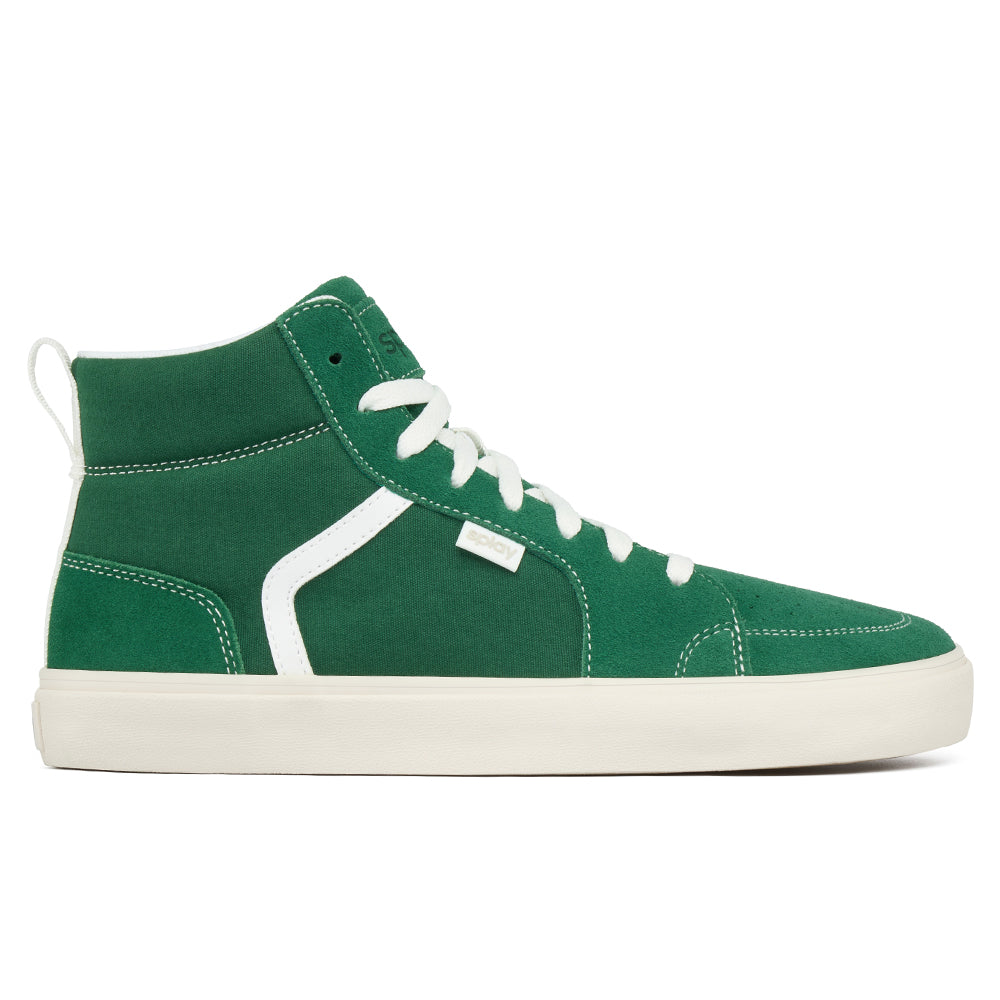
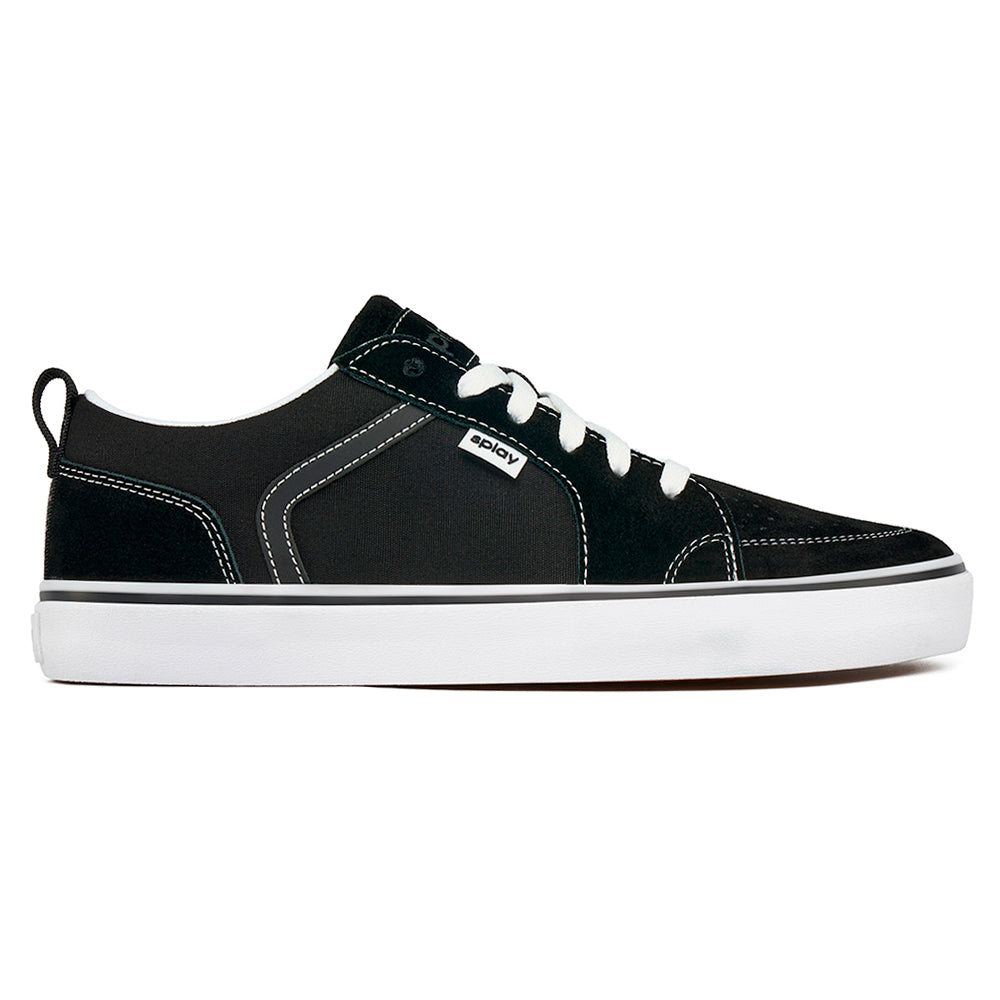
Meet the RUNNER V1: Zero Drop Built for Natural Movement
The RUNNER V1 is Splay's purpose-built zero-drop running shoe. Wide toe box for natural toe splay at push-off, a flexible outsole that bends with the foot, and a lightweight build for real ground feel without sacrificing protection. Built for runners who want natural mechanics in a shoe that performs.

How to Transition to Zero Drop Shoes Without Getting Hurt
The most common mistake is going all in after years of wearing high heels. Your calves and Achilles need time to adjust.
A simple framework: weeks one and two, short, easy runs only, 20 to 30 minutes. Weeks three and four, extend duration but keep effort low. Month two onward, increase volume as your body allows.
Add calf stretching, single-leg balance work, and foot strengthening to help things along. Soreness is normal during adaptation. Sharp joint pain is not.

FAQ: Zero Drop Shoes, Answered
Do zero-drop shoes cause calf pain?
They can in the first few weeks. This is normal and resolves with a gradual transition.
Can beginners wear zero-drop running shoes?
Yes, but start slow regardless of fitness level. Your feet need time to build strength.
Are zero-drop shoes good for flat feet?
They can be, with a gradual transition. Letting foot muscles strengthen naturally may help over time.
Your Stride Is Already There
Zero-drop shoes stop getting in the way. If you're ready to run the way your body was built to, the RUNNER V1 is where to start. You can also browse through Splay’s running collection to find your fit.


