


From runners logging early miles to skaters dialing in their next trick, athletes are rethinking what they put on their feet. The conversation is shifting away from thick midsoles and rigid structure toward something more foundational: connection, strength, and longevity.
More athletes are choosing barefoot performance shoes designed around how the foot actually works. The goal isn’t to mask discomfort. It’s to build strength, support natural alignment, and help reduce foot pain over time.
#1 Reducing Pain and Strengthening the Feet
Modern athletic footwear often prioritizes structure over function. Narrow forefoot shapes and aggressive support features can limit toe movement and natural loading patterns. Over time, that restriction may contribute to discomfort. Barefoot shoes take a different approach.
Wide Toe Box Running Shoes: Space to Stabilize
A wide toe box allows the toes to spread naturally. This simple design choice reduces pressure on the forefoot and supports better alignment. Research shows that narrow toe boxes increase forefoot pressure and the risk of deformities, while wider designs help decrease strain and encourage a more natural stride.
For athletes, that means improved balance and fewer hotspots during long sessions.
Minimal Cushioning and Flexible Sole: Engaging the Small Muscles
Barefoot running shoes encourage the foot’s intrinsic muscles to engage more actively. Scientific reviews show that minimalist training can increase intrinsic and extrinsic foot muscle volume and significantly improve toe-flexor strength.
In one six-month study, participants increased foot strength by over 50 percent with consistent minimalist footwear use. Stronger feet support natural stability and can help reduce foot pain caused by weakness and overreliance on external support.
#2 Enhancing Stability Through Natural Mechanics
Many athletes search for running shoes for stability or even injury prevention footwear. But real stability doesn’t always come from adding more structure. It can come from allowing the body to work as intended.
Zero-Drop Design: Balanced Alignment
A zero-drop design means there is no height difference between the heel and forefoot. This encourages a more neutral stance and can reduce excess stress on knees and hips. Zero-drop shoes promote a grounded, stable base, especially during activities like lifting and cross-training.
Instead of forcing posture, they allow alignment to happen naturally.
Natural Stability Over Artificial Support
Barefoot footwear has been shown to improve proprioception, the body’s awareness of position and movement. Better proprioception enhances balance and coordination, which are essential for agility sports, running, and skateboarding.
While no shoe can guarantee injury prevention, research suggests that stronger intrinsic foot muscles and improved neuromuscular control can contribute to long-term resilience. The key is gradual adaptation.
#3 Extending Athletic Longevity
Athletic longevity is not just about training harder. It’s about moving smarter.
When the foot is allowed to function fully, it distributes weight more evenly. A foot-shaped design maintains natural alignment and encourages proper load transfer up the kinetic chain, from feet to knees to hips to back.
Habitually barefoot populations often show wider forefeet and healthier arch structures, suggesting that footwear shape plays a role in preserving natural morphology. For athletes, this matters. Proper alignment reduces compensatory patterns that may shorten careers.
Performance shoes built around natural mechanics aim to support that alignment over the long term. The focus is not just on today’s workout, but on years of movement ahead.
#4 Mind–Body Connection and Movement Quality
Athletes often describe movement shoes as feeling more connected. That sensation is not accidental.
With a flexible sole and closer ground feel, the foot communicates more clearly with the brain. Enhanced sensory feedback improves timing, balance, and control. For runners, this may translate to smoother gait patterns. For skaters, it means a sharper board feel. For lifters, it provides a more grounded stance.
Barefoot running shoes and skate shoes built around natural movement are not about doing less. They are about doing what matters.

Splay Shoes: Natural Performance in Action
Splay Shoes designs performance shoes around these principles.
RUNNER V1: For Runners and Cross-Trainers
The RUNNER V1 blends retro style with natural movement design. It features:
-
A zero-drop ergonomic platform
-
A natural foot-shaped toe box
-
Responsive minimalist cushioning
-
A lightweight build for everyday wear
With a balanced stack height and removable insole, it provides comfort without disconnecting you from the ground. It is a strong option for athletes seeking wide-toe box running shoes that support natural mechanics.
REV Skate Shoes: Natural Performance on a Board
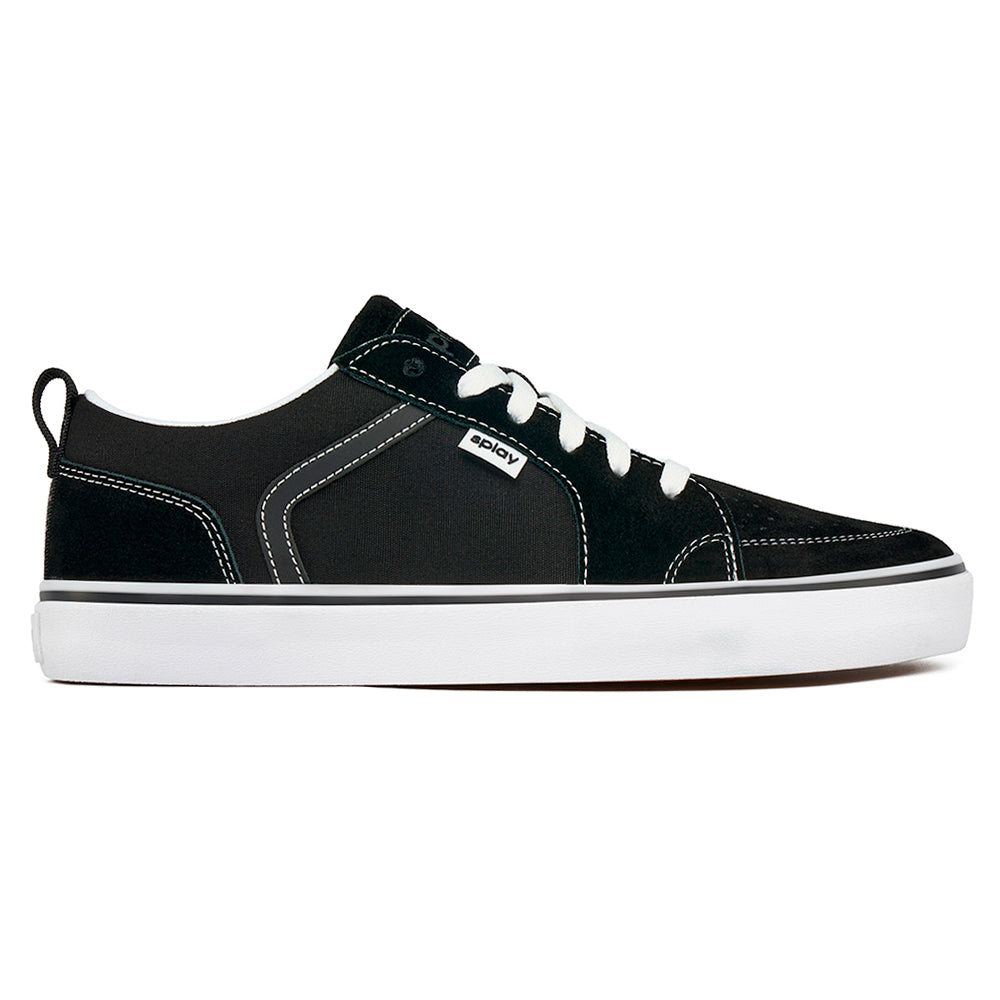
Splay’s skate shoes are built for board feel and durability. With suede construction, impact protection, and a foot-shaped design, they allow skaters to stay connected to the deck while protecting against high-impact landings.
When discussing them, think of them simply as skate shoes built for natural movement. They deliver grip, flexibility, and responsiveness without unnecessary bulk.
How to Transition Safely
Switching to movement shoes requires patience.
-
Start gradually. Wear them for short sessions before increasing time.
-
Alternate with your current footwear during the first few weeks.
-
Incorporate foot-strengthening exercises like toe spreads, towel scrunches, and balance drills.
-
Listen to your body. Mild soreness is normal; sharp or persistent pain is not.
Gradual adaptation allows the muscles and tendons to adjust, reducing the risk of overload.

Frequently Asked Questions
Do barefoot shoes reduce foot pain?
They may help by allowing natural toe splay and strengthening intrinsic muscles, but transition gradually.
Are wide toe boxes necessary?
Yes. They reduce forefoot pressure and support natural alignment and stability.

The Bigger Picture
Athletes are turning to performance shoes because they want more than cushioning. They want stronger feet, better alignment, and the ability to play longer.
Performance shoes built around natural mechanics are not about hype. They are about supporting the body’s design. Wide toe box designs reduce pressure. Zero-drop alignment encourages balance. Flexible soles enhance awareness.
If you are looking to reduce foot pain, build strength, and improve athletic longevity, the foundation starts at your feet. Shop from Splay’s range of barefoot shoes now.


