


Running on a treadmill might look a lot like running outdoors, but your feet may notice the difference. Add minimalist running shoes into the mix, with their flexible construction, lower heel-to-toe drop, and closer connection to the surface, and your treadmill run can feel noticeably different from one in traditional running shoes.
On a treadmill, these differences can affect comfort, foot movement, and how runners adapt with each step. However, switching to minimalist footwear is not simply about choosing a lighter shoe. The treadmill surface, running speed, individual running style, and experience level all matter.
In this blog, we explore what changes when you wear minimalist running shoes on a treadmill, how they compare with conventional footwear, and what to consider before making the switch.
What Are Minimalist Running Shoes?
Minimalist running shoes are designed to let your feet move more naturally while you run. Compared with many conventional running shoes, they typically use a lighter, more flexible construction with less material between your foot and the ground.
Some common characteristics include:
-
Minimal cushioning: Less material between the foot and the ground.
-
Low or zero heel-to-toe drop: Minimalist and zero drop running shoes keep the height difference between the heel and forefoot small or completely level, depending on the design.
-
Flexible construction: A sole that allows the foot to bend more easily.
-
Lightweight design: Less shoe material, which can make the shoe feel less restrictive.
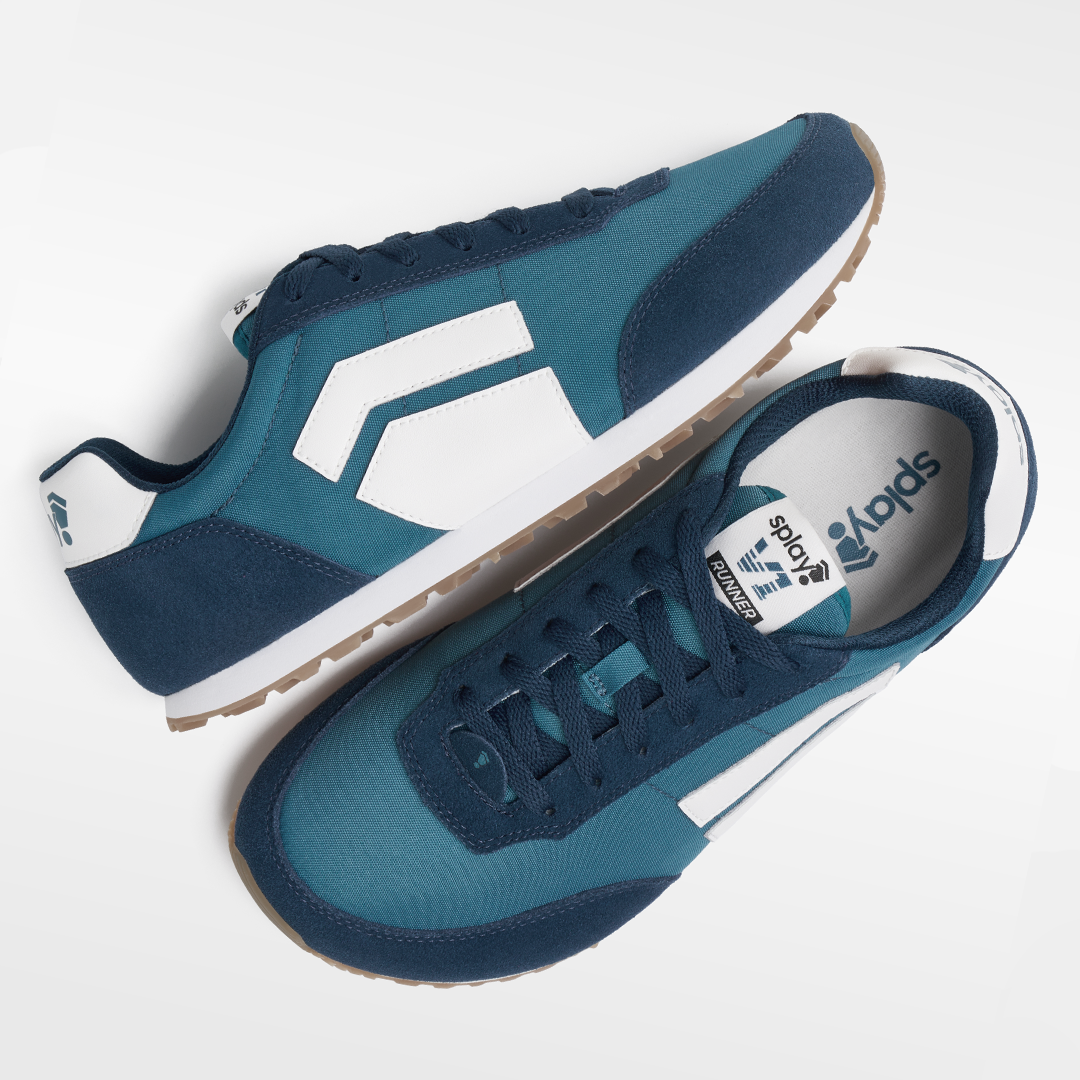
Minimalist shoes differ from conventional cushioned running shoes, but they aren't necessarily the right fit for every runner. To see how these features come together, the Splay RUNNER V1 combines an ergonomic zero-drop design, a foot-shaped toe box, and a flexible rubber outsole.
How Is Treadmill Running Different from Outdoor Running?
Treadmill running takes place on a consistent, moving belt, whereas outdoor running involves changing surfaces, terrain, and environmental conditions.
Some important differences include:
1. Consistent Running Surface
A treadmill provides a relatively uniform surface throughout the workout. Unlike outdoor routes, runners do not regularly encounter uneven paths, changes in pavement, or unexpected obstacles.
This consistency can make treadmill sessions easier to control, although it does not eliminate the impact forces associated with running.
2. Controlled Speed and Incline
Treadmills allow users to set a specific speed and incline. This makes it easier to maintain a consistent pace and gradually adjust workout intensity.
For runners testing minimalist footwear, controlled settings can help them monitor comfort and changes in running technique.
3. Different Running Mechanics
Treadmill and outdoor running are similar in many ways, but they aren't exactly the same.
Research comparing treadmill and outdoor running found that most biomechanical measures were comparable, although some differences appeared in areas such as foot strike, contact time, and lower-body movement.
What Changes When Wearing Minimalist Running Shoes on a Treadmill?
Switching from traditional running shoes to minimalist footwear can change how your feet interact with the treadmill belt. Differences in running surfaces and footwear can influence lower-limb movement, so it's important to understand how treadmill running biomechanics may vary with different shoe types.
Some of the key changes runners may notice when switching to minimalist shoes on a treadmill include:
1. Increased Ground Feel
Minimalist shoes generally have thinner soles, allowing runners to feel more of the surface beneath their feet.
On a treadmill, this may create a more direct connection with the belt. Some runners appreciate this feedback, while others may find the reduced cushioning uncomfortable during longer sessions.
2. Changes in Foot-Strike Patterns
Foot strike refers to the part of the foot that first contacts the running surface.
Some research has found that runners wearing minimalist shoes may show different foot-strike patterns than those wearing traditional running shoes.
Runners should avoid deliberately changing their foot strike simply because they have changed shoes.
3. Greater Foot and Ankle Movement
The flexible construction and less structured design of minimalist shoes may allow the foot and ankle to move more freely.
4. Different Cushioning and Comfort
Traditional running shoes often contain thicker midsoles designed to provide cushioning and comfort. Minimalist shoes provide less material underfoot.
On a treadmill, this difference may become noticeable during longer workouts or at higher speeds. Runners should consider how their feet and lower legs respond rather than assuming that less cushioning is always better.
Benefits and Limitations of Minimalist Shoes on Treadmills
Minimalist running shoes can be a great fit if you enjoy lightweight footwear, greater flexibility, and more ground feel. But like any change in running shoes, a few things are worth keeping in mind.
Potential Benefits
-
Lightweight feel: Less shoe material can make for a less bulky running experience.
-
Greater flexibility: Flexible soles can allow more natural foot movement.
-
Improved surface feedback: Thinner soles provide more direct feedback from the treadmill belt.
-
Movement awareness: Some runners may find it easier to notice how their feet contact the surface.
What to Keep in Mind
-
Reduced cushioning: Less cushioning may feel uncomfortable for runners who prefer more underfoot protection.
-
Adaptation demands: Muscles and tendons may need time to adjust to different footwear.
-
Adjustment period: Switching too quickly may leave your feet or lower legs feeling more sore than usual, so give yourself time to adapt.
-
Individual differences: A shoe that works well for one runner may not suit another.
View minimalist footwear as an alternative running option, not a guaranteed way to improve performance or prevent injuries.
How to Transition to Minimalist Running Shoes Gradually
Runners used to traditional footwear should avoid switching to minimalist shoes for an entire treadmill workout right away.
Consider the following practices:
-
Start with short sessions: Begin with brief, comfortable periods rather than replacing your usual running shoes immediately.
-
Keep the intensity low: Use an easy pace as you get used to the new footwear.
-
Increase gradually: Extend the duration only when your body responds comfortably.
-
Pay attention to discomfort: Persistent pain, unusual soreness, or increasing discomfort are reasons to stop and reassess.
-
Avoid sudden technique changes: Do not force a forefoot strike or alter your natural stride just to match the shoe.
New to barefoot running shoes? Understand the basics of barefoot running shoes, including their design and how they differ from traditional running shoes, before gradually adapting to them.

Frequently Asked Questions
1. Are minimalist running shoes suitable for treadmill workouts?
They may suit some runners, depending on comfort, experience, and individual footwear needs. A gradual transition is important, especially for beginners.
2. Do minimalist shoes change your running technique?
They may influence foot movement, ground feel, and foot-strike patterns. However, the effect varies between runners, and a change in footwear does not guarantee a specific running technique.
3. Are minimalist shoes better than cushioned shoes for treadmill running?
Not necessarily. Minimalist shoes offer less cushioning and greater flexibility, while traditional shoes generally provide more cushioning. The better option depends on individual comfort and requirements.
4. Can beginners start running in minimalist shoes?
Beginners should approach minimalist footwear with caution. Start with short sessions and gradually increase use to reduce the demands of a sudden transition.
5. Should I use minimalist shoes for long treadmill sessions?
That depends on your experience and how comfortably you tolerate the footwear. Runners should build up gradually and avoid extending workout duration if discomfort develops.


Choosing the Right Footwear for Your Treadmill Routine
Minimalist running shoes offer a different treadmill experience through their lightweight construction, flexible design, and closer connection to the surface. For runners interested in natural performance running shoes, those qualities can make treadmill sessions feel noticeably different from running in heavily structured footwear.
Ultimately, the best running shoe fits your needs, works with your training routine, and lets your feet move naturally and comfortably. Exploring Splay's running shoe collection can help you compare zero drop running shoes designed around natural movement and find an option that fits the way you like to run.


