


For decades, the footwear industry sold us on the idea that our feet need to be propped up, cushioned, and corrected. But what if the real problem is not weak arches? What if it is weak feet?
The arch of your foot is not a fragile structure waiting to collapse. It is a dynamic system of 26 bones, 33 joints, and over 100 muscles, tendons, and ligaments working together to absorb shock, distribute weight, and adapt to the ground beneath you. When that system is strong, it does its job without help. When it is weak, no amount of foam or plastic will fix the root cause.
And that is exactly where most conventional shoes get it wrong.
The Arch Support Cycle
Here is what typically happens. You wear shoes with built-in arch support. The support does the work your foot muscles were supposed to do. Over time, those muscles get less stimulation and start to weaken. Your arch feels less stable. So you buy shoes with even more support. The cycle continues.
It is the same principle that applies to any part of your body. A muscle that is not used gets weaker. Your feet are no different. When a shoe handles the job of holding up your arch, the muscles responsible for that job stop pulling their weight. And the longer they go without working, the more dependent your feet become on the support that caused the problem in the first place.
Arch support is not inherently bad. Some people with specific injuries or structural conditions genuinely need it. But for most healthy feet, external support creates a dependency that replaces the strength your foot should be building on its own.

What Foot Strength Actually Does for You
When the small muscles in your feet are strong, everything upstream benefits.
- Better arch function. Your arch is maintained by muscles, not by the foam insert in your shoe. Stronger intrinsic foot muscles create a more stable, responsive arch that holds up under load without outside help.
- Improved balance and proprioception. Your feet are your body's primary points of contact with the ground. When the muscles are engaged, and the sole is thin enough to let sensory feedback through, your nervous system can make faster, more accurate adjustments. That means better balance on uneven terrain and quicker reactions in any sport or activity.
- Less pain over time. Weak feet contribute to a cascade of issues that travel upward: plantar fasciitis, knee pain, hip misalignment, and lower back problems. Strengthening the foundation often resolves or reduces symptoms that orthotics only mask.
- A more natural gait. Strong feet encourage a midfoot landing instead of a heavy heel strike. This distributes impact more evenly and puts less repetitive stress on your joints with every step.
The benefits do not start and stop at your feet. A stronger foundation changes how your entire body moves, absorbs impact, and holds up over time.

What to Look for in Foot Strength Shoes
Not every shoe helps strengthen your feet. Most do the opposite. If you want footwear that actually supports natural foot development, here are the features to look for.
- Zero-Drop Sole: Heel and forefoot at the same height. No forward tilt, no postural compensation. Just a flat base that lets your foot work naturally.
- Wide Toe Box: Room for your toes to spread, grip, and activate. A narrow shoe shuts that down before you take a step.
- Flexible Sole: If the shoe does not bend easily, your foot muscles are not getting the work they need.
- Minimal Cushioning: Thick padding absorbs the sensory feedback your feet rely on. A thinner sole keeps them engaged and building strength.
If your shoe checks all four boxes, it is not doing the work your feet need. It is giving them the conditions to do it themselves.

How Splay Shoes Support Natural Foot Strength
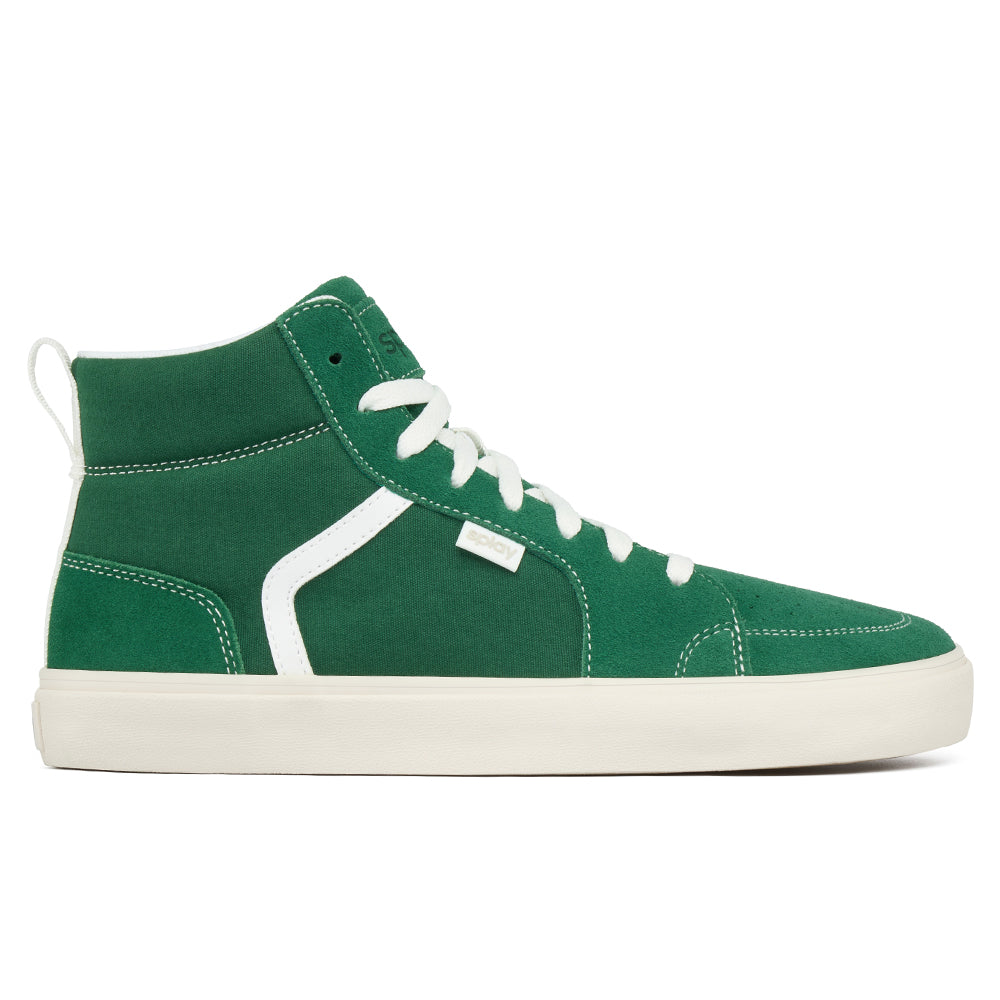
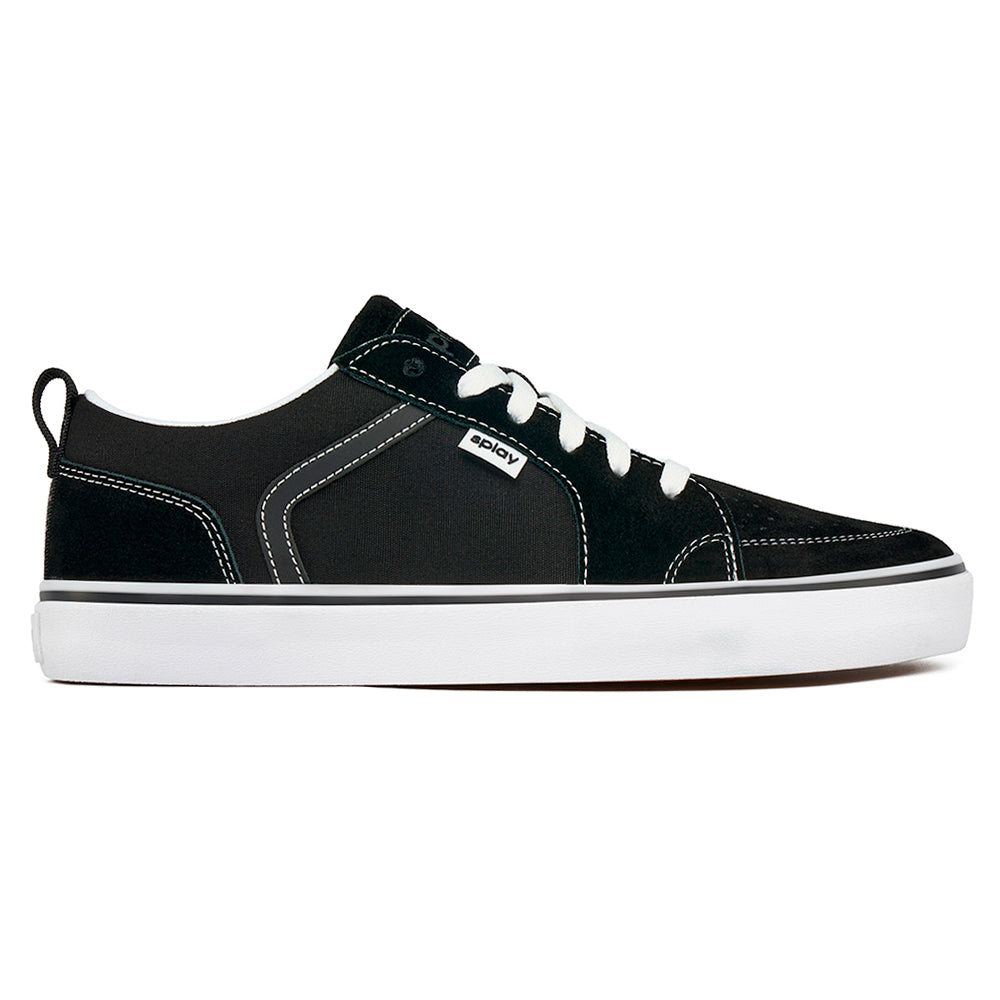
Every Splay shoe starts with the same checklist: zero drop from heel to toe, a toe box shaped like an actual foot, and a sole that bends when your foot does. Nothing added that your feet do not need. No arch inserts, no heel lift, no narrow fit working against you.
The Splay 101 is the everyday option. Clean, versatile, and comfortable enough to take you from the office to the weekend without your feet checking out by 5 p.m. The Runner V1 is built for the road, with a lightweight, flexible outsole that encourages a midfoot strike and lets your feet build real strength mile after mile. And the REV Skate line covers skaters and active use in three cuts (low-top, high-top, and slip-on), pairing a grippy outsole with zero-drop construction for board feel and full foot freedom.
Different shoes, different uses, same idea. None of them does the work for you. They just get out of the way and let your feet do it themselves.
How to Start Building Foot Strength
If you have spent years in thick, structured shoes, jumping straight into barefoot shoes for foot strength is not the move. Your muscles need time to adapt.
Start by wearing minimal shoes around the house for short periods. Walk on different surfaces. Let your toes spread, and your arches engage without load. Gradually increase the time and intensity over a few weeks. Add simple exercises like toe spreads, single-leg balance holds, and barefoot walking on grass or carpet.
Within a few weeks, most people notice their feet feel more awake, more stable, and more capable than they have in years. It is not magic. It is just what happens when you stop doing your feet's job for them and let them get back to work.
Strong feet do not come from better arch support. They come from actually using them. Give your feet the space to move, and they will take care of the rest.
Ready to Let Your Feet Do the Work?
Strong feet start with the right conditions. Splay's zero-drop, foot-shaped designs give your feet the space to move, strengthen, and perform the way they were built to. Whether you need an everyday shoe, a running shoe, or something built for the board, the lineup has you covered.
Shop Splay's full collection and take the first step toward stronger feet.


