


Traditional skate shoes were designed for durability. Thick soles, rigid construction, and heavy padding all serve a purpose. But that same bulk creates a barrier between your feet and the board. And in a sport where feel matters, that trade-off adds up. Every ollie, every kickflip, every carve relies on feedback traveling from the deck through your feet. The more material in the way, the less information gets through.
That is what barefoot skate shoes aim to address. Not by removing protection, but by stripping back the layers your feet do not actually need.
What "Natural Performance" Means for Skating
Natural performance is not about skating in your socks. It is about designing a shoe around how your foot actually works, rather than forcing your foot into a shape it was never meant to hold.
Three things make the difference:
-
Zero-drop Construction: When the heel and forefoot sit at the same height, your weight is distributed evenly across the board. No forward tilt. Just a flat, stable platform that keeps your center of gravity where it belongs.
-
A Wide Toe Box: A narrow toe box pins them together, killing your balance before you even push off. Wide toe box skate shoes let your foot do what it does naturally: splay out under load and create a broader, more stable base on the deck.
-
A Flexible Sole: A stiff sole blocks the sensory feedback your nervous system relies on to make split-second adjustments. A thin, flexible outsole lets you feel the board's texture, flex, and response. That is real board feel.
When you combine all three, you get a shoe that works with your body instead of numbing it. More control over flip tricks. Better balance on grinds and cleaner landings. And less fatigue, because your muscles are not fighting the shoe all session.

Why Skaters Are Making the Switch
Skaters who move to barefoot skate shoes tend to notice the same things early on.
Grip feels different. Not because the rubber is stickier (though that helps), but because your foot can actually wrap around the board. When your toes spread and your sole flexes, you create more surface contact. More contact means more control.
Balance improves as a zero-drop sole keeps your stance neutral. No heel lift pushing you forward. No thick midsole creates a gap between you and the deck. You stand lower, feel more planted, and react faster.
Lighter, more flexible shoes let your feet move naturally, so your legs don't have to work overtime to compensate for poor shoe design.
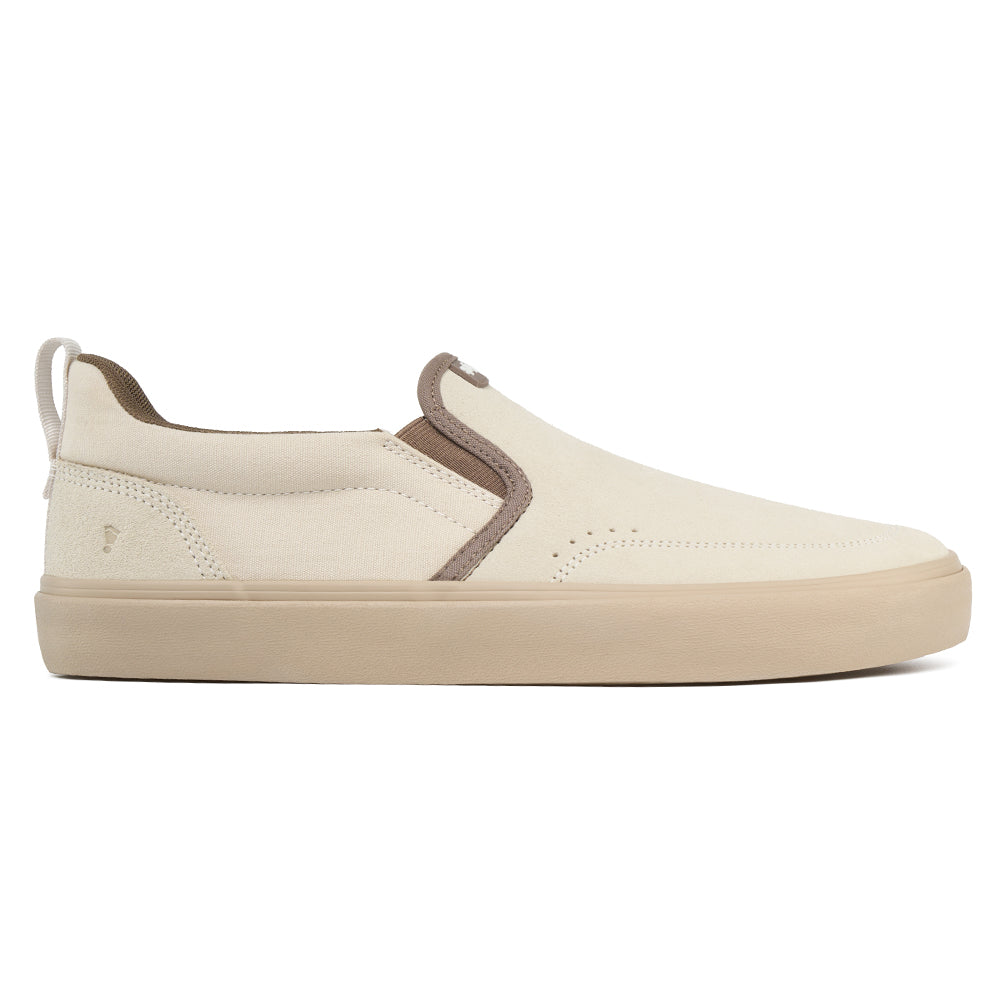
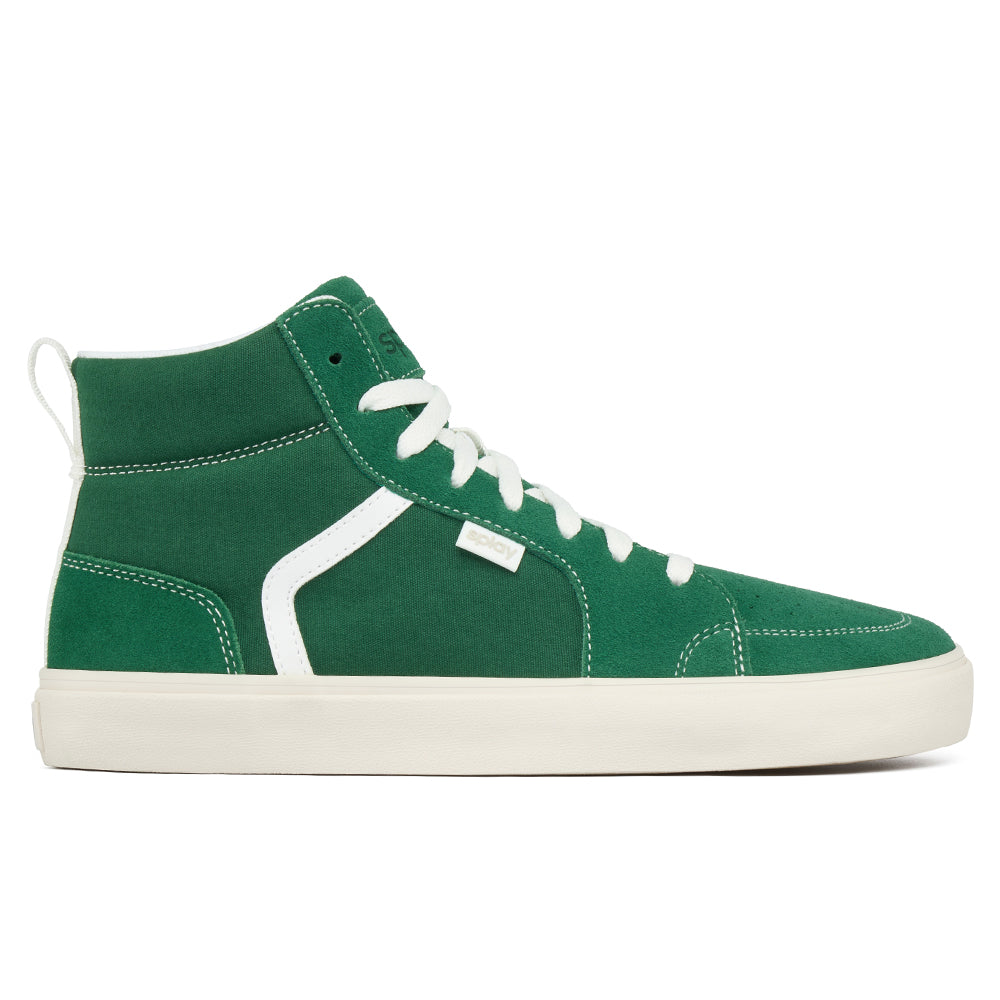
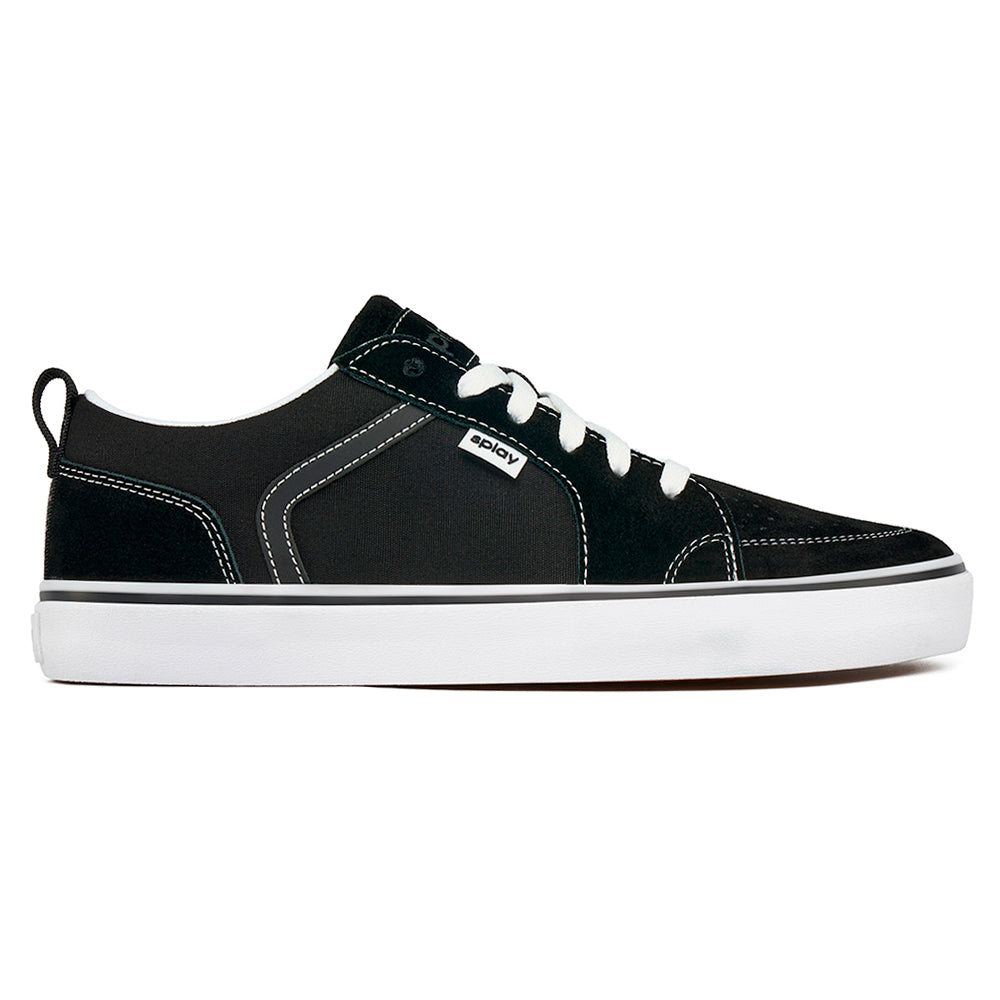
The Splay REV Skate Collection: Three Cuts, One Foundation
Splay built the REV Skate line on the same barefoot principles: a zero-drop sole, a foot-shaped toe box, a flexible rubber outsole, and a refined rubber compound that grips without dragging. The REV S-Series takes it further with suede construction, impact protection, upgraded tread, perforated toe boxes for airflow, and padded ankles and tongues for comfort that does not restrict movement.
The difference between the three models is the cut. Pick the one that matches how you skate and how you live.
REV LTS (Low-Top)
Sleek, lightweight, and built for skaters who want maximum freedom of movement. The low-top profile keeps things minimal without sacrificing board feel or grip. This is the go-to for street skating, daily cruising, and anyone who wants a barefoot skate shoe that doubles as an everyday sneaker.
REV HTS (High-Top)
Same as the LTS with a high-top silhouette for extra ankle coverage. If you skate parks, transition, or just prefer the feel of a shoe that sits higher on the ankle, the HTS delivers that without locking you in. The ankle padding adds comfort and light support while keeping full flexibility.
REV SOS (Slip-On)
The fastest path from door to deck. No laces, no fuss. The REV SOS keeps all the line's barefoot performance in a slip-on format, with a heel loop for easy entry. Great for quick sessions, casual wear, and skaters who just want to step in and go. The suede toe box holds up to grip tape, and the flexible outsole keeps board feel front and center.
All three share the same foundation. The only choice is how much ankle you want and whether you are bothering with laces.

FAQs
Will I feel every pebble through the sole?
You will feel the board more clearly, which is the point. The REV's rubber outsole is flexible but not paper-thin. It filters out the rough stuff while letting the useful feedback through.
Can I use barefoot skate shoes for other activities?
Absolutely. The zero-drop, wide-toebox design works well for weightlifting, cross-training, and daily wear. Many skaters use the REV as their all-around shoe.
What if I have wide feet?
The REV's foot-shaped toe box is specifically designed to fit the natural width of your foot. If your toes touch the edges in other skate shoes, this is likely the fix.
How long does the transition take?
Most people adjust within two to four weeks. Start with short sessions and build from there. Your feet will get stronger, and the improved feel of the board will make the wait worth it.
How to Transition to Barefoot Skate Shoes
If you have been skating in thick, padded shoes for years, your feet will need time to adjust. The muscles in your feet and calves are going to work harder than they are used to. That is a good thing, but take it slow.
Start by wearing your REVs off the board for a few days. Let your feet get used to the zero-drop platform and the wider toe box. Then ease into short skate sessions before going full send. Within a few weeks, most skaters find they do not want to go back.
Your board has always been giving you feedback. The right shoe just stops getting in the way. Explore the full Splay REV skate shoe collection and feel the natural performance it adds to your ride.


