


Most shoes are designed around a shape that looks good on a shelf, not around your actual foot. Your knees, hips, and back have been keeping score for years. Barefoot shoes fix the four things conventional footwear gets wrong: elevated heels, cramped toe boxes, rigid soles, and unnecessary weight.
What Makes a Shoe "Barefoot"?
A barefoot shoe strips away what your feet never needed. Four features separate them from everything else on the rack:
-
Zero-drop sole means your heel and forefoot sit at the same height, just like standing on flat ground. No tilt, no forward lean.
-
A wide toe box gives your toes room to spread and grip naturally, rather than being squeezed together.
-
Flexible outsole bends with your foot, not against it. If you can't fold the shoe in half by hand, it's too stiff.
-
Lightweight build keeps the stack minimal, so you actually feel the ground beneath you.
Conventional shoes do the opposite on all four counts. Raised heels, narrow toe boxes, rigid platforms, and heavy cushioning that blocks the feedback your body relies on.
The Real Benefits of Barefoot Shoes
When your feet can actually do their job, the rest of your body notices.
-
Stronger feet. The small muscles in your feet start firing again. Over time, this builds a more stable foundation from the ground up.
-
Better posture. A zero-drop sole lets your body stack naturally, without a heel tilt pushing your weight forward.
-
More natural gait. Without a raised heel, your stride shifts toward a midfoot landing. Less impact, more efficiency.
-
Improved balance and proprioception. A thin, flexible sole lets your nervous system read the ground. That feedback keeps you steady on uneven surfaces and quick on your feet.
-
Genuinely comfortable shoes. A wide toe box fits the way your foot actually spreads under load. Once you feel the difference, going back to pointed shoes feels wrong.
Your feet were designed to move, grip, and adapt. Barefoot shoes just stop getting in the way.
How to Choose Barefoot Shoes: 5 Things to Check
Here are the five things to check before getting barefoot shoes:
- Confirm true zero-drop. Not "low-drop." Not 4mm. Zero. If the heel is raised at all, the shoe is working against you.
- Test the toe box. Trace your foot on paper. The shoe should be at least as wide as that outline. If your toes touch the edges, size up or move on.
- Flex the sole. Grab the toe and heel and bend. It should fold easily. If it resists, it'll fight your foot all day.
- Match to your activity. Daily wear, running, and skating put different demands on a shoe. The right barefoot shoe is built for how you actually move.
- Know your starting point. If you've spent years in thick, structured shoes, a slightly thicker sole makes the first few weeks easier. Go thinner once your feet catch up.
The right barefoot shoe doesn't need to be complicated; it just needs to let your foot do what it already knows how to do.
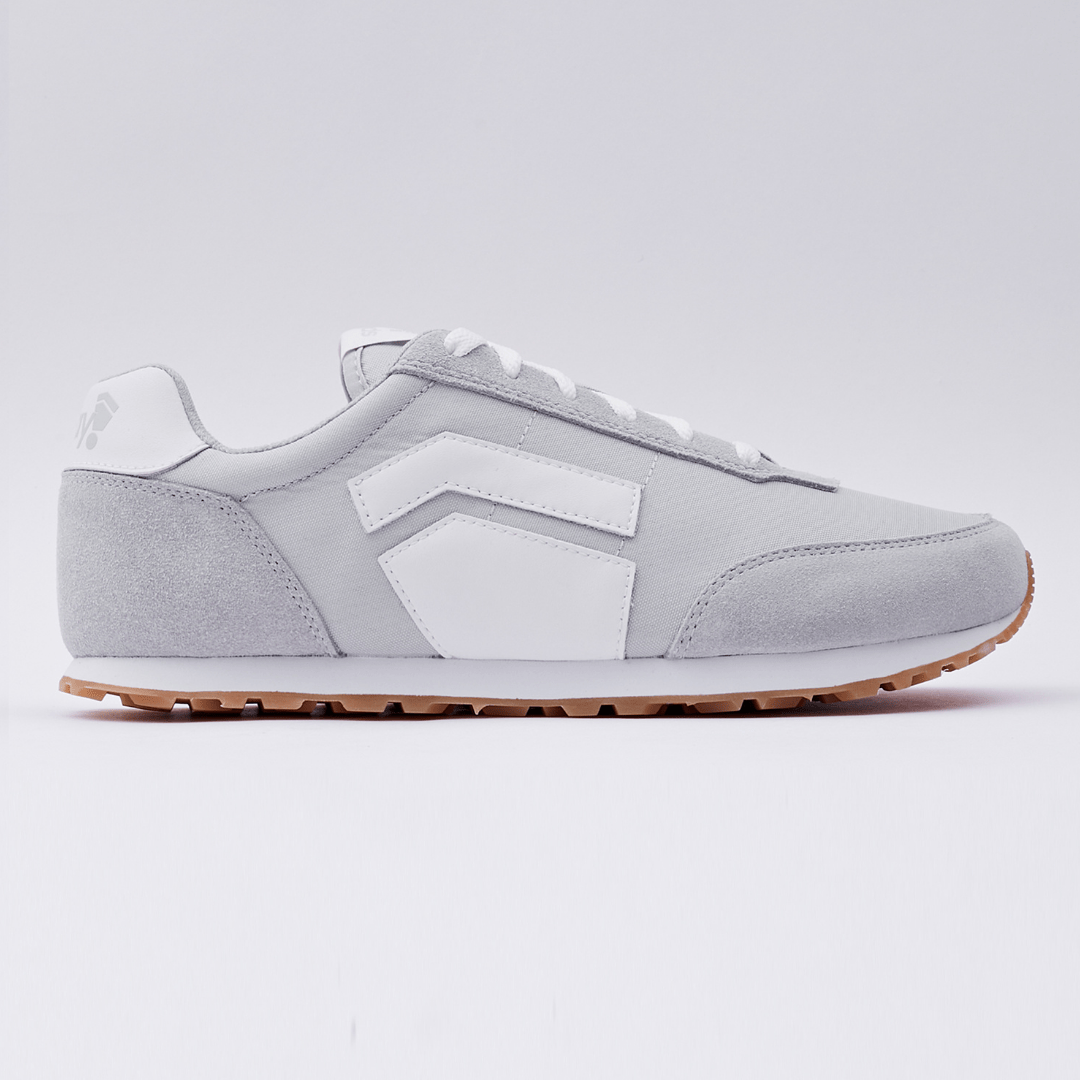
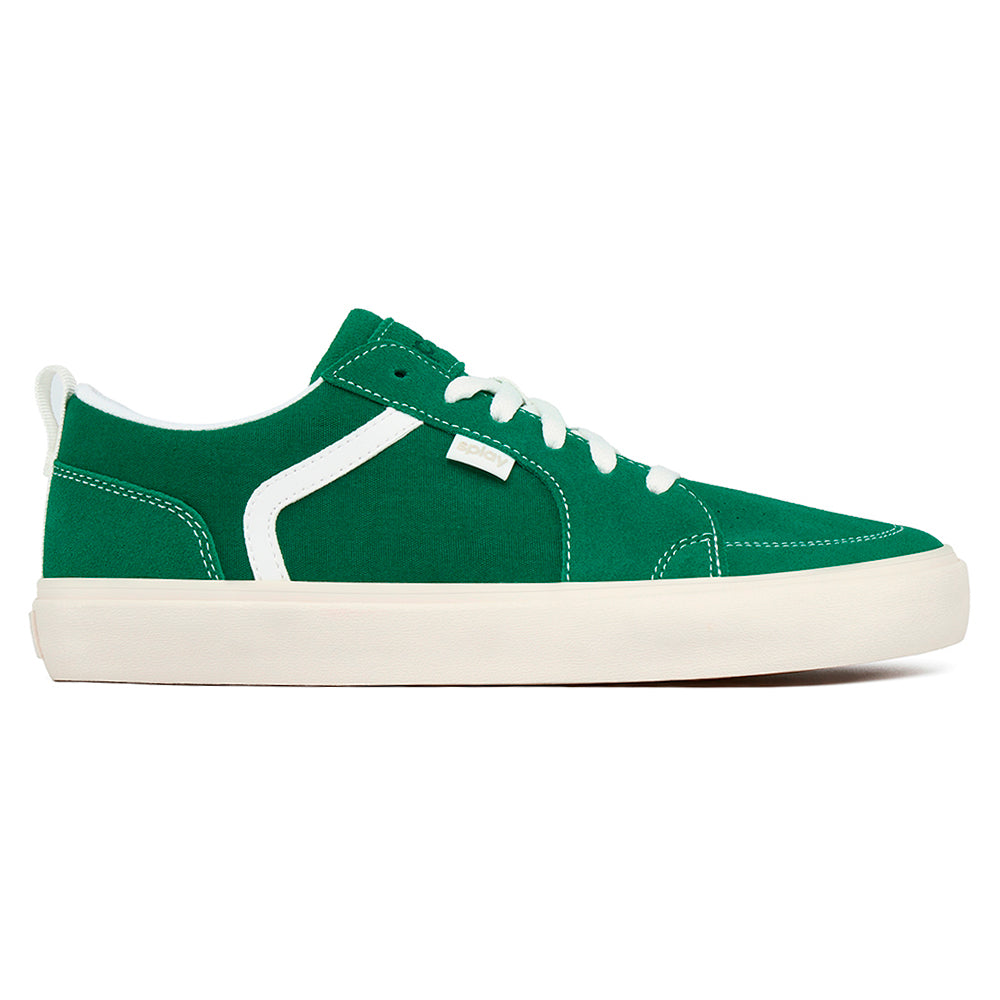
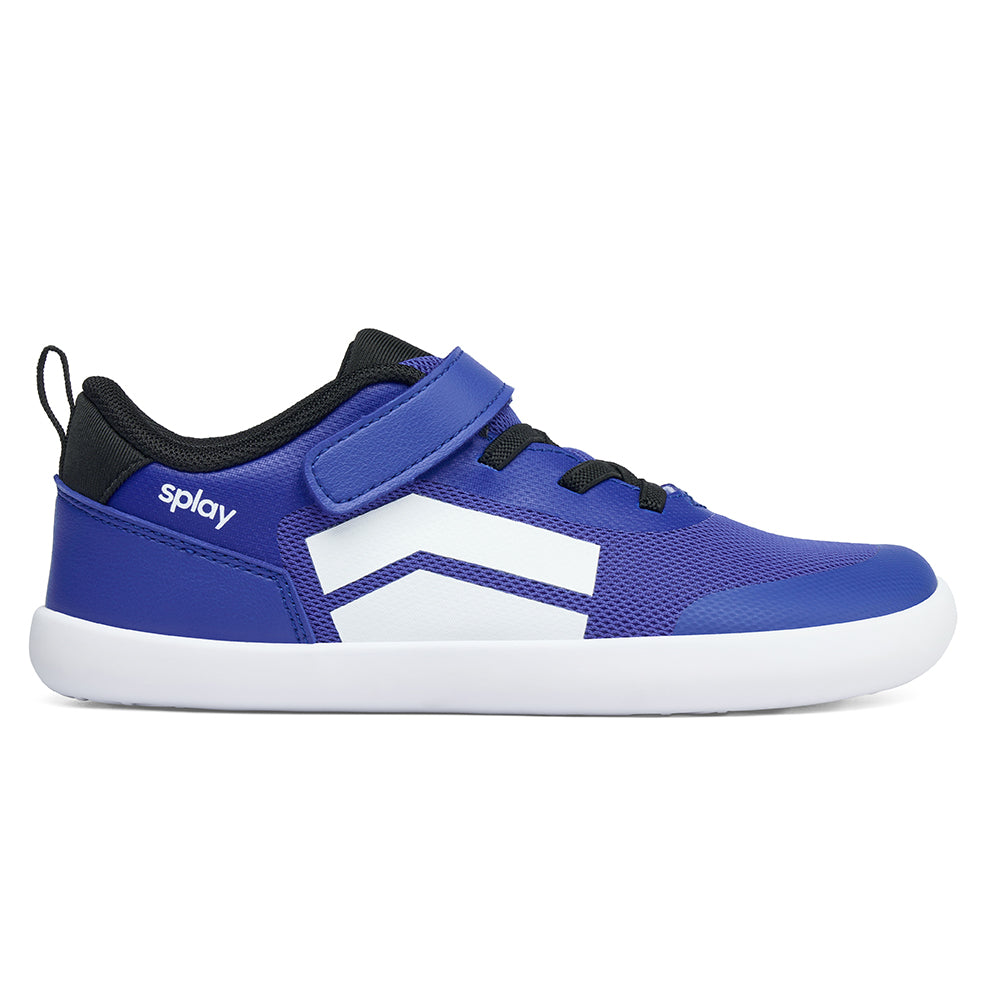
Which Splay Barefoot Shoe Is Right for You?
Splay builds every shoe on the same foundation: zero-drop, wide toe box, flexible sole. The rest is tailored to your movement.
#1 Everyday Wear
SPLAY 101 is built for all-day comfort. Zero-drop, wide toe box, flexible sole, and a look that works from the office to the weekend. If you want one pair that handles everything, this is it.
#2 Running
RUNNER V1 is lightweight and zero-drop with a flexible outsole that encourages a midfoot strike. Built for runners who want to feel more connected to their stride. Also, a solid pick for cross-training.
#3 Skateboarding and Active Use
REV Skates is available in three cuts: SLIP-ON, REV HT (high-top), and REV LT (low-top). A grippy outsole paired with zero-drop construction gives you real board feels without sacrificing foot freedom. Works well for weight lifting, too.
#4 Kids
EXPLORE 2.0 and DASH are flexible, soft, and roomy. Designed for developing feet that need space to grow naturally. Starting kids in foot-shaped shoes early sets them up for better movement down the road.
Whatever your day looks like, there's a Splay shoe that fits it. And more importantly, fits your feet.

FAQ: Barefoot Shoes Questions, Answered
Are barefoot shoes good for flat feet?
They can be. A slow transition lets foot muscles strengthen gradually. Talk to a professional if you have specific concerns.
Can I wear barefoot shoes to work?
Yes. The SPLAY 101 has a clean look that fits casual and smart-casual workplaces.
Do barefoot shoes hurt at first?
Muscle soreness is common as your feet adjust. Joint pain means you should scale back.
How long does it take to adjust?
Most people notice a meaningful change within two to four weeks.
Your Feet Already Know How to Move
The right shoes just get out of the way. Whether you're walking to work, skating, or chasing your kids around the yard, Splay builds barefoot shoes that let your feet do what they were made to do.


