


Most "best barefoot shoes" lists look the same. The same brands, the same vague feature callouts, the same lack of context for how you actually spend your day.
The best barefoot shoe depends on what you're doing in it. This guide breaks down what separates a good pair from a forgettable one, then matches the best picks to how you actually move.
What Makes a Barefoot Shoe Worth Buying?
Not every shoe labeled "barefoot" earns the name. Some borrow the word without delivering the features it entails. Before you buy anything, check for four non-negotiables:
-
Zero-drop: True 0mm heel-to-toe, not 4mm or 6mm, marketed as "low drop." If the heel is raised at all, it's not zero drop.
-
Wide toe box: Wide enough that your toes don't touch the sides when your foot spreads under load.
-
Flexible Outsole: It should bend easily by hand in both directions. If it resists, it will fight your foot all day.
-
Lightweight Build: Minimal stack between you and the ground. That's where the feedback your body relies on comes from.
If a shoe calls itself "natural" or "minimalist" but can't check all four boxes, keep looking.

Best Barefoot Shoes for Running: RUNNER V1
Most running shoes are engineered to correct your stride rather than support it. Too much heel cushion, too much structure, too little feedback.
The RUNNER V1 is Splay's answer. True zero drop encourages a midfoot strike over a heel strike. A wide toe box gives your toes room to splay at push-off, where propulsion actually happens. The flexible outsole bends with your foot through the full gait cycle, and the lightweight build delivers real ground feel without leaving you unprotected.
Best For: Runners transitioning off thick-soled trainers, anyone with recurring knee or hip issues linked to gait, and runners chasing a more efficient stride.
Best Barefoot Shoes for Everyday Wear: SPLAY 101
Most casual shoes that claim to be comfortable still have raised heels, narrow toe boxes, and stiff soles. They just dress it up in a cleaner silhouette and call it a day.
The SPLAY 101 is built differently. Zero-drop and a wide toe box in a low-profile, clean sneaker that doesn't look like a health decision. The flexible sole works on pavement, gym floors, and everything in between. It's versatile enough for casual workplaces, weekend errands, and all-day wear without having to swap pairs.
Best For: People making their first move into barefoot footwear, anyone on their feet all day, and those who want one shoe that covers most of their week.
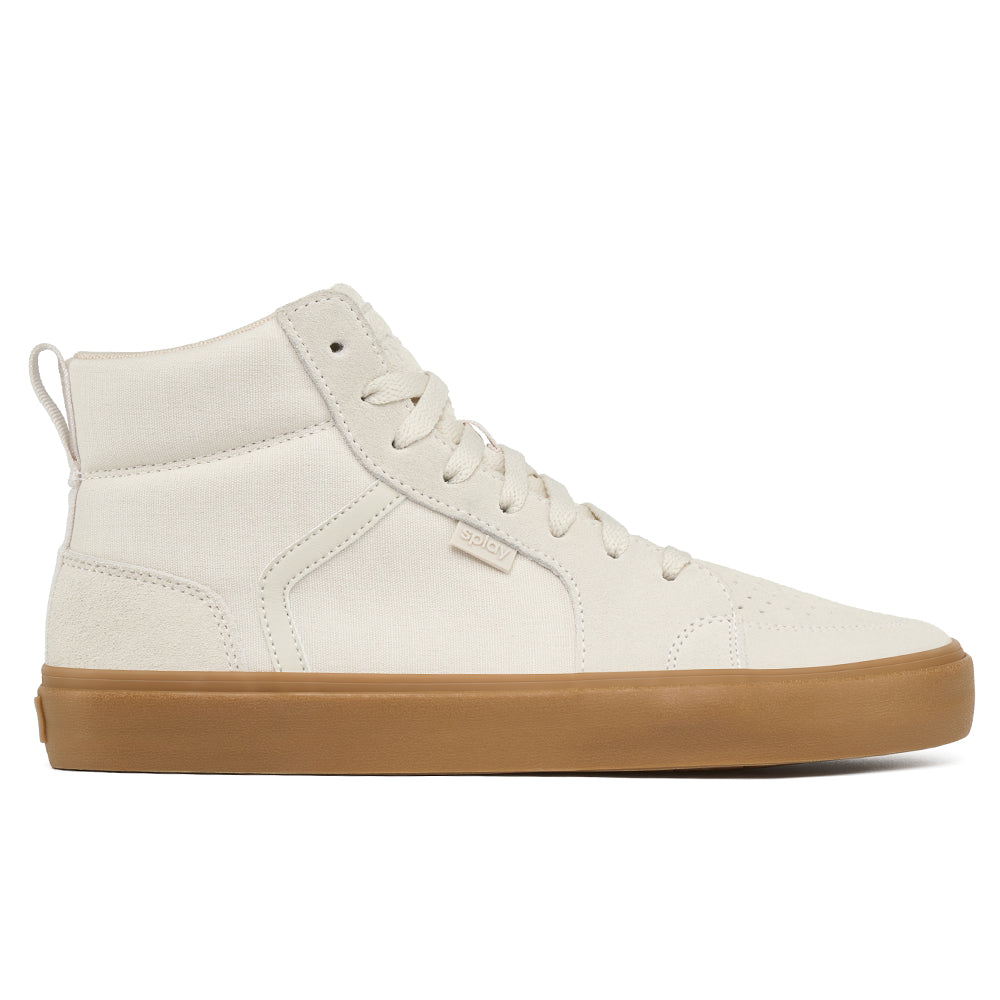
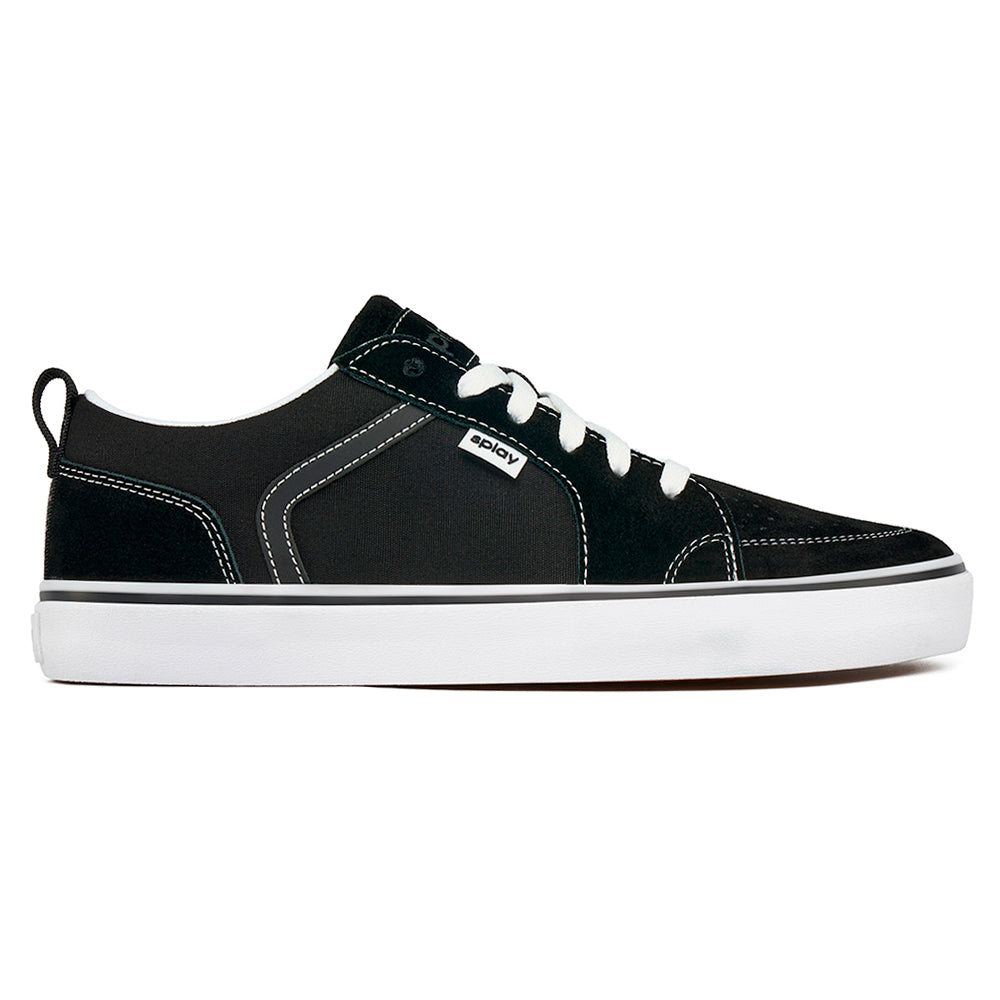
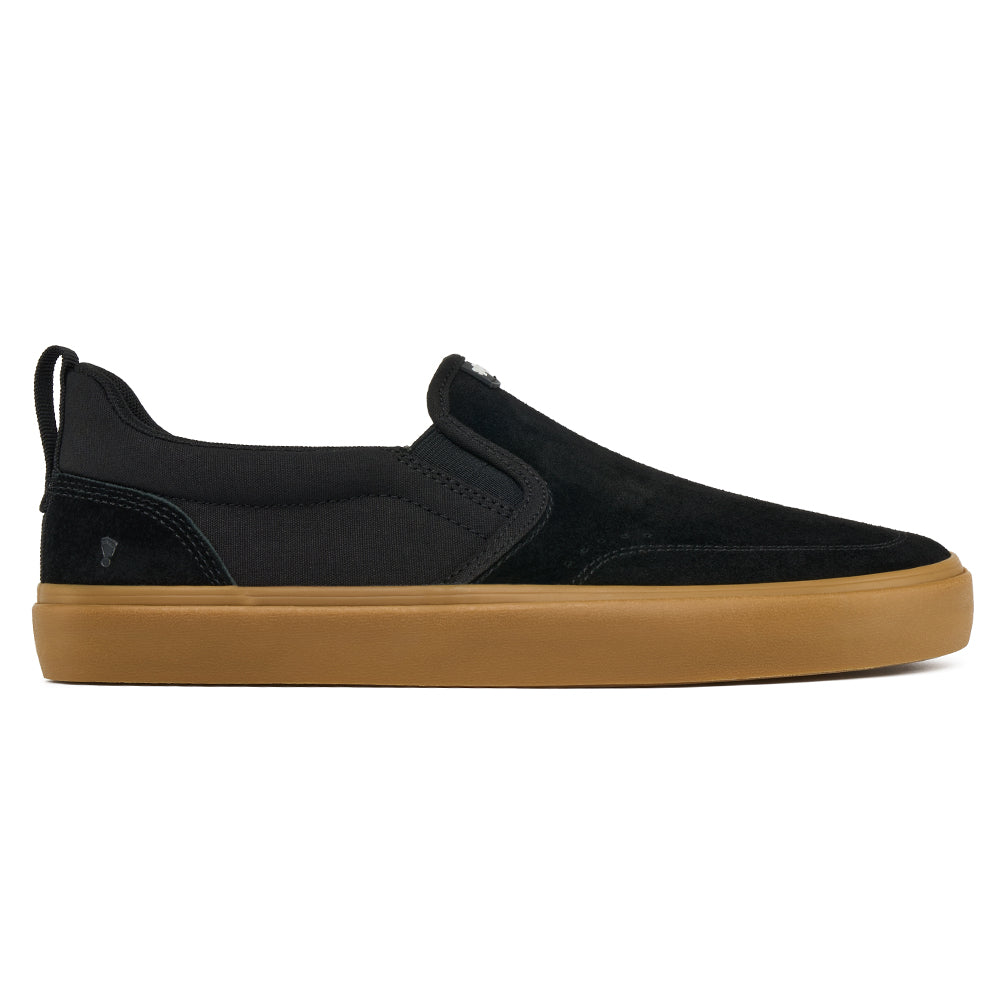
Best Barefoot Shoes for Skate and Active Use: REV
Sport-specific shoes tend to pile on cushioning and rigidity in the name of protection. That cuts off board feel, ground feedback, and natural foot mechanics. The REV is Splay's skate shoe, available in three cuts: SLIP-ON, REV HT (high-top), and REV LT (low-top).
A grippy, low-profile outsole delivers real board feel and traction. Zero drop keeps the foot level for lateral movement and landings. The wide toe box allows natural splay during push-off and weight shifts.
Best For: Skaters who want connection to the board, weight lifting, and high-movement days where conventional shoes work against you.
How to Choose the Right Barefoot Shoe for You
The decision is simpler than most lists make it:
Logging miles? The RUNNER V1.
All-day wear and casual use? The SPLAY 101.
Skating, lifting, or active use? The REV SKATE.
If you're new to barefoot shoes, start with shorter wear periods regardless of which model you pick. Your feet will adapt faster than you expect.

FAQ: Best Barefoot Shoes Questions Answered
What are the best barefoot shoes for beginners?
The SPLAY 101. Wide toe box, zero drop, clean design, and forgiving enough for first-time wearers.
Are barefoot shoes good for running?
Yes. Zero drop and flexible soles encourage a more natural, efficient stride. The RUNNER V1 is built for exactly that.
What's the difference between barefoot shoes and minimalist shoes?
Barefoot shoes always include zero drop, a wide toe box, and a flexible sole. Minimalist is a loose term that doesn't guarantee all three.
How long until barefoot shoes feel normal?
Most people adapt within three to six weeks of regular wear.
The Best Barefoot Shoe Is the One Built for How You Move
Not the one with the most marketing behind it. Whether you run, walk, skate, or do a bit of everything, Splay builds shoes that let your feet do what they already know how to do.
Check out Splay’s full collection.


