


Ever feel like your shoes are getting in the way of your skating?
For years, skate shoes kept getting thicker, puffier, and heavier. More padding. More structure. More layers between your feet and the board. But lately, something different is happening. More skaters are reaching for barefoot skate shoes and rediscovering what real connection feels like.
Let’s break down why performance footwear is gaining ground and why it makes sense for modern skating.
Board Feel Is Everything
Skateboarding is built on subtle feedback. The pressure of your toes during a kickflip. The shift in weight before a grind. The way your heel settles into the pocket before a drop-in.
When your sole is flat and flexible, you feel those signals instantly. That’s why many skaters prefer shoes with minimal structure underfoot. A thinner, flexible sole helps you stay connected to the deck.
Bulky soles, air units, and thick foam may soften impact, but they can also dull response. The more material between you and the board, the more muted the feedback becomes.
That’s where modern board feels shoes come in. Instead of overbuilding the sole, they focus on staying low, flexible, and responsive.

What Makes Barefoot Skate Shoes Different?
Barefoot skate shoes are designed to let your feet move naturally while still offering protection for real skate sessions. Here’s what sets them apart:
Zero-Drop Platform
Zero-drop skate shoes keep your heel and toe at the same height, just like when you’re barefoot. That level base helps distribute weight evenly across the board, improving stability and balance.
Instead of pitching your weight forward or backward, your stance stays neutral.
Foot-Shaped Design
Your toes aren’t meant to be squeezed together. A foot-shaped toe box gives them room to spread, which can improve balance and ground contact.
Flexible Sole
A flexible outsole bends with your foot and moves with the board. You’re not fighting stiffness. You’re moving with it.
Lightweight Construction
Less bulk means less fatigue. When your shoes feel lighter, long sessions feel smoother.
This combination creates something powerful: protection without sacrificing connection.
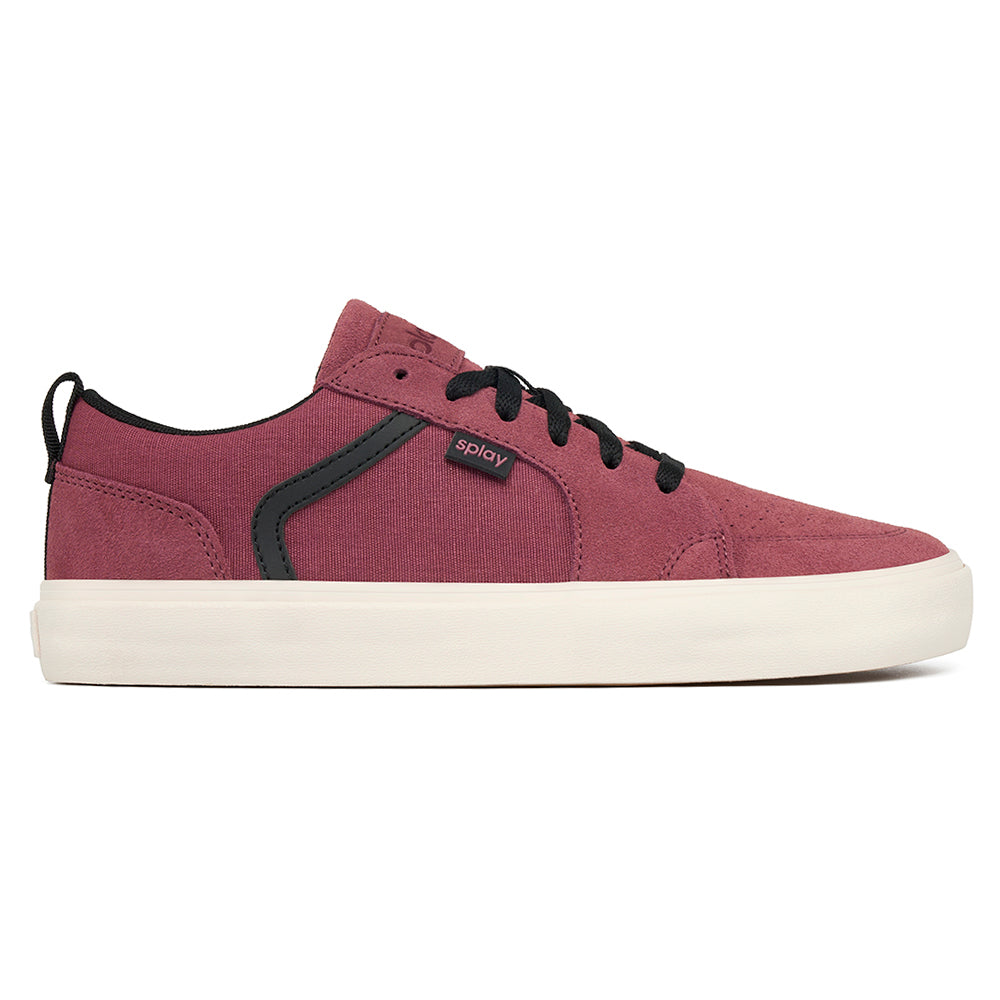
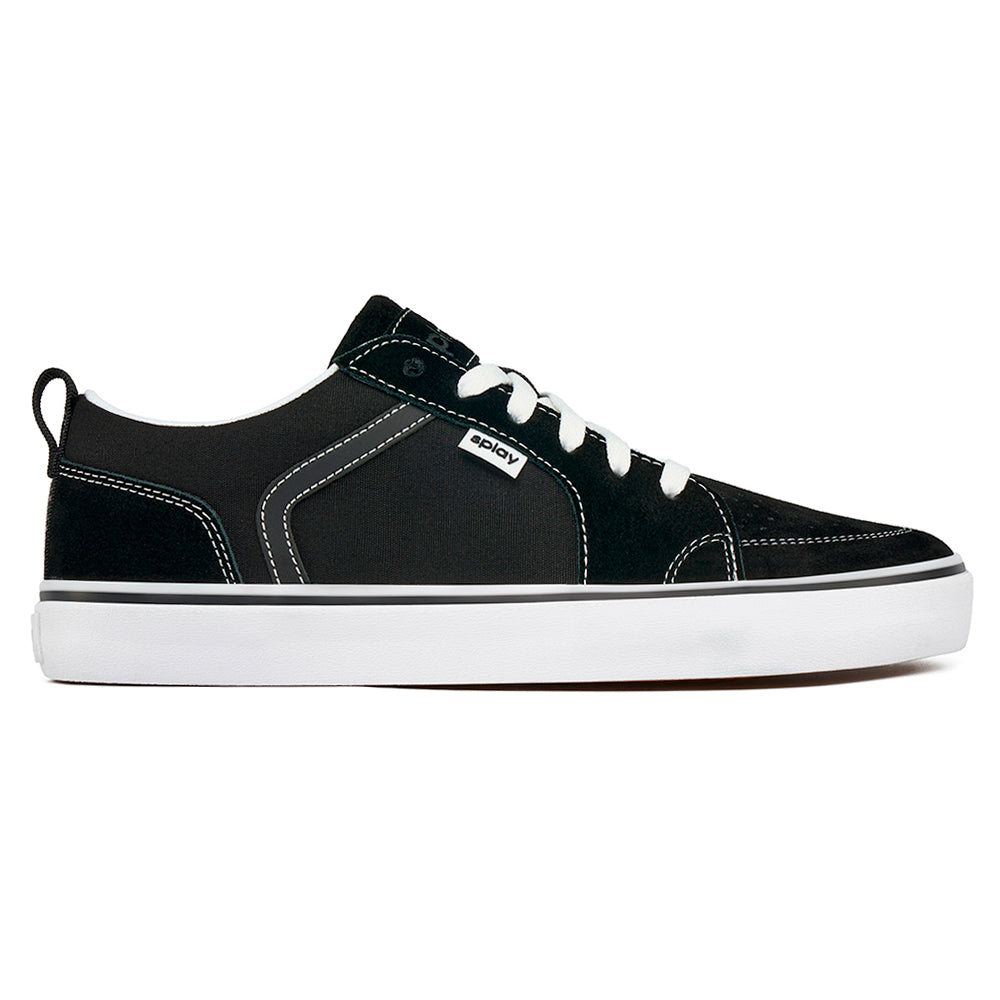
Meet the REV S-Series
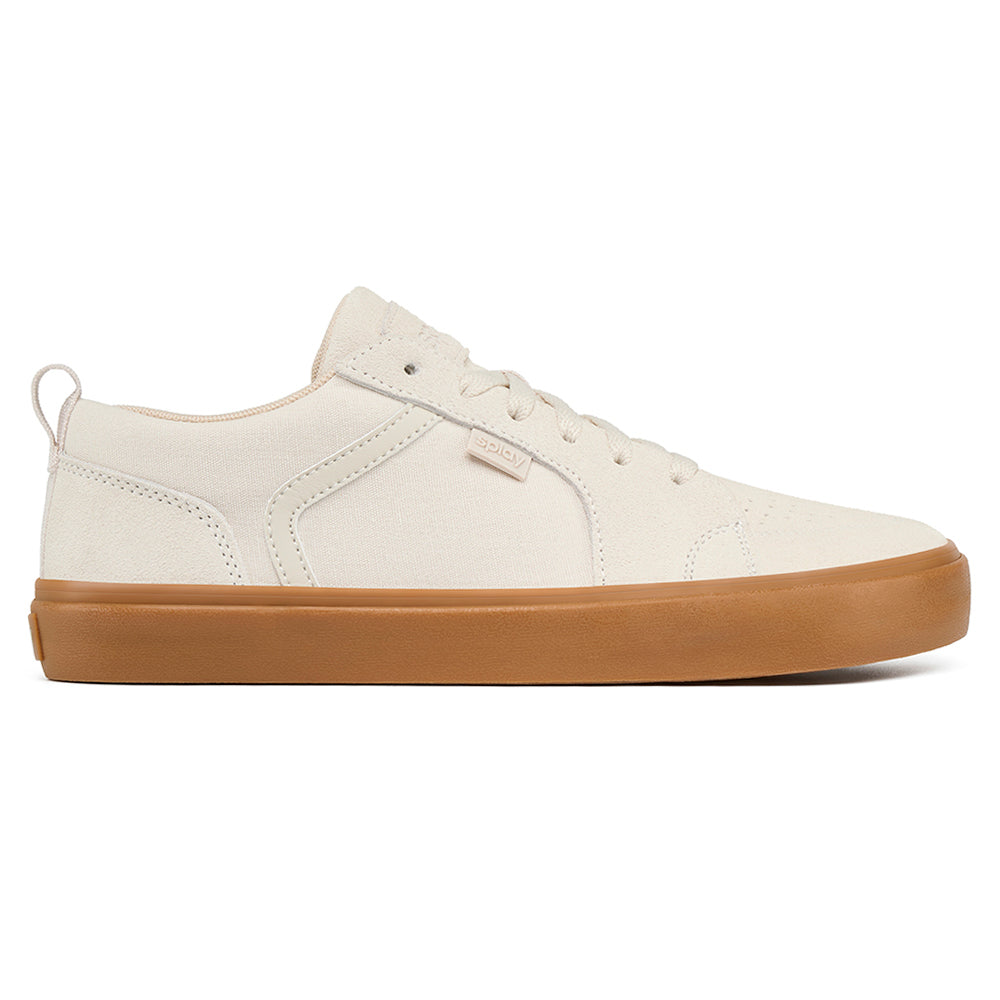
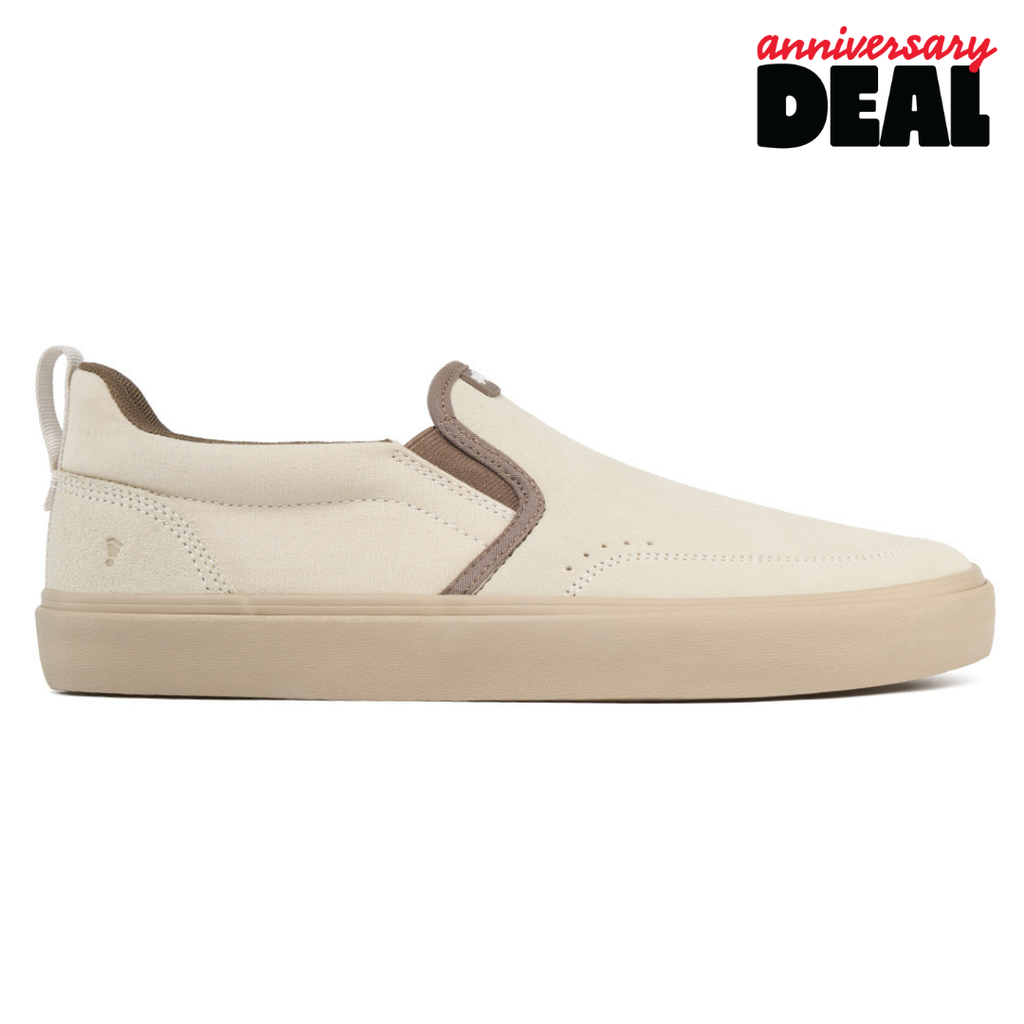
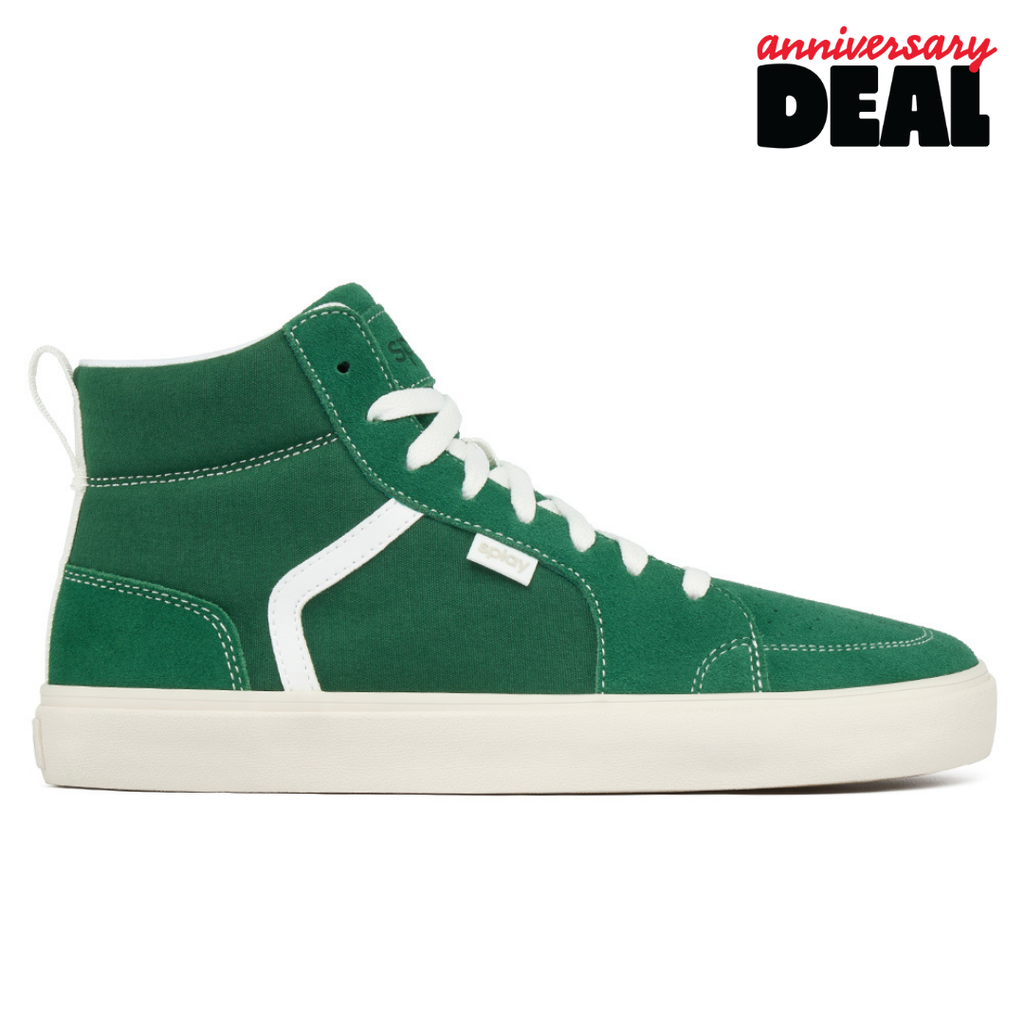
The REV S-Series is Splay’s take on barefoot performance skate shoes, built specifically for skating.
Each model is designed around the same core principles:
-
Foot-shaped design
-
Zero-drop platform
-
Flexible sole for a strong board feel
-
Durable suede toe box
-
Breathable mesh lining
-
Grippy rubber compound
-
Upgraded tread pattern
-
Easy-on heel loop
They’re built to handle real sessions while staying true to natural movement.
REV LTS
A low-top design for maximum ankle mobility and clean board feel. If you like freedom around the ankle and a responsive ride, this is your move.
REV HTS
A high-top option with added ankle coverage, without compromising flexibility or that flat, zero-drop platform. Great if you prefer a bit more structure up top while keeping natural movement below.
REV SOS
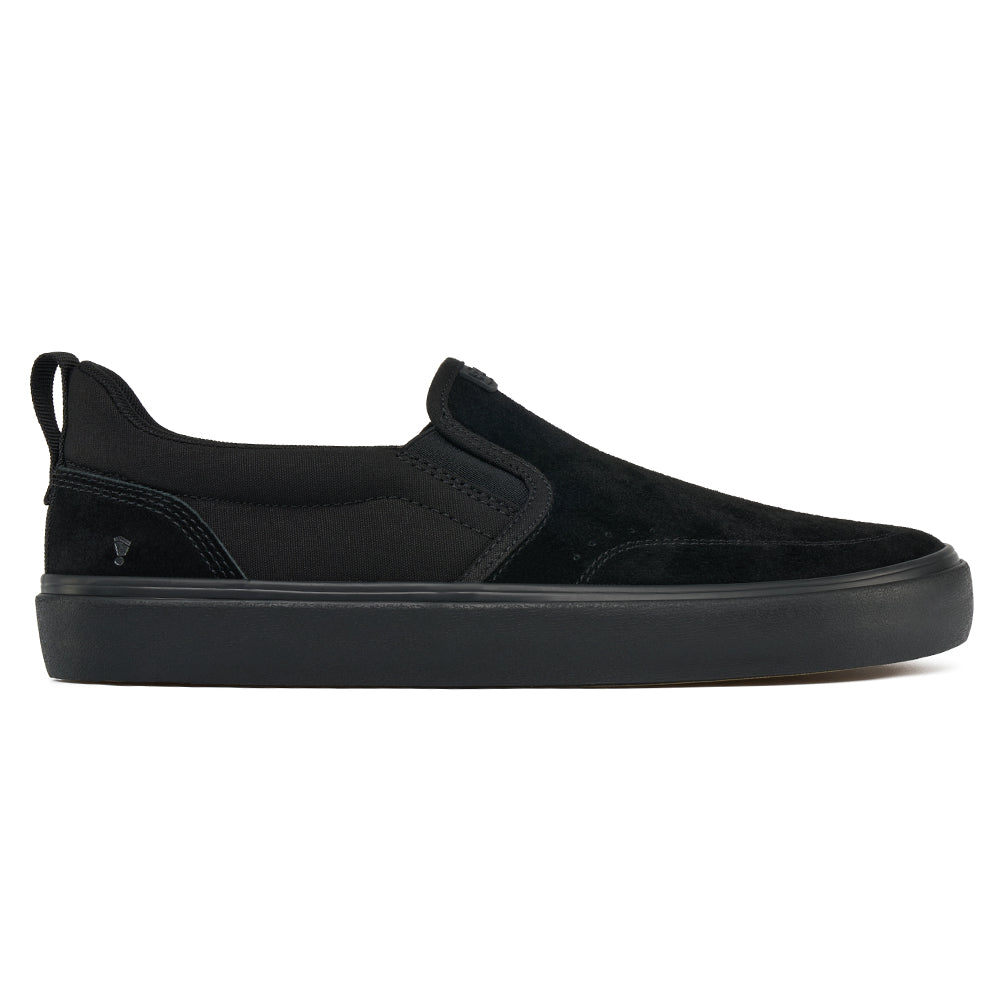
A slip-on version that keeps things simple and convenient. Easy entry, same foot-shaped feel, same board connection.
All three models stay focused on what matters most: staying close to the deck.
Transitioning to Barefoot Performance Footwear
If you’ve been skating in thick, structured shoes for years, switching to barefoot skate shoes can feel different at first. That’s normal.
Your feet may need time to adapt to:
-
A flatter platform
-
More flexibility
-
Increased muscle engagement
Start with shorter sessions. Alternate between your old shoes and your new pair. Consider adding simple foot-strength drills, such as toe curls, or balance work.
Give your body time to adjust.
Most skaters find that once they adapt, the increased board feel and freedom make it hard to go back.

Why This Shift Makes Sense
Skateboarding has always been about expression and control. Barefoot performance footwear doesn’t add unnecessary features. It removes barriers.
Less foam.
Less stiffness.
More connection.
The rise of zero-drop skate shoes and modern board feel shoes reflects something simple: skaters want to feel their board again. If you’re curious what that feels like, the REV S-Series is built for that connection.


