


When most of us think about performance shoes, we imagine thick cushioning, added structure, and plenty of built-in technology.
But more shoe does not always mean better movement.
Sometimes, what matters is whether your shoes give your feet enough room to move, bend, and respond naturally.
That is where natural performance shoes come in. In this article, we’ll look at what natural performance footwear really means, which features matter, and how to choose footwear based on the way you actually move.
What Are Natural Performance Shoes?
Natural performance shoes are designed to let your feet move with fewer restrictions while still providing the traction and protection you need for the activity.
They often share features such as:
-
A wide or foot-shaped toe box
-
A zero-drop platform
-
A flexible sole
-
Lightweight construction
-
Grip suited to the activity
The idea is pretty simple. Your shoes still have a job to do, but they should also give your feet room to do theirs.
What Should Natural Performance Shoes Do?

When you hear “performance shoe,” what comes to mind?
Maybe thick foam, a raised heel, or a long list of technical features.
Natural footwear takes a simpler approach.
-
A roomy toe box gives your toes space to spread.
-
A zero-drop sole keeps your heel and forefoot level.
-
A flexible sole can move more easily with your foot.
But those features do not make every natural shoe right for every activity.
Running, lifting, skateboarding, and walking all ask different things from your feet. So when it comes to natural athletic performance, the activity should guide your shoe choice.
What to Look for in Natural Performance Footwear
You do not need to memorize a long list of footwear terms. Start with a few practical questions.
Do your toes have enough room?
Your toes should be able to sit comfortably rather than feeling squeezed together at the front.
Does the sole move with your foot?
A flexible sole allows the shoe to bend more naturally as you move.
Is the shoe flat underfoot?
Zero-drop footwear keeps your heel and forefoot level instead of raising the heel.
Does the base make sense for your activity?
Running may call for something lightweight and flexible. Strength training or skateboarding may benefit from a sturdier, more planted feel.
Does the traction match the surface?
A gym floor, running route, hiking trail, and skateboard all place different demands on your shoes. If you are heading outdoors, for example, the trail and terrain should help determine which barefoot hiking shoes make sense.
What Does “Performance” Mean for You?
Performance does not always mean running faster or setting a new personal record.
-
Maybe you want to feel planted during a squat.
-
Maybe you want to feel your skateboard more clearly beneath your feet.
-
Or maybe you simply want shoes that don't feel bulky on a long walk.
So before choosing natural performance shoes, think about what you actually do.
If you run: Look for toe room, flexibility, lightweight construction, and shoes designed specifically for running.
If you strength train: A flat, sturdy base can give you a more grounded feel during squats, deadlifts, and similar exercises.
If you skateboard or longboard: Grip, flexibility, board feel, and a secure fit become especially important.
If you walk or travel often: Lightweight construction, toe room, and versatility may matter more than a long list of athletic features.
New to Natural Performance Shoes? Give Yourself Time
If you have spent years wearing raised-heel or heavily cushioned shoes, flatter and more flexible footwear may feel different at first.
There is no need to rush.
Start with shorter walks, errands, or easier workouts. If you plan to run in natural footwear, begin with shorter sessions before increasing your distance.
This gives you time to get used to the different feel underfoot.
Your first day in a new type of shoe probably should not also be your hardest workout of the month.


Frequently Asked Questions
What makes a shoe a natural performance shoe?
Natural performance shoes usually combine toe room, zero-drop construction, flexibility, and activity-appropriate traction.
Are natural performance shoes only for runners?
No. Natural performance footwear can be designed for running, strength training, skateboarding, walking, travel, and other activities.
Do natural performance shoes have cushioning?
Some do. The amount depends on the shoe and its intended use. Natural performance is more about allowing natural movement than removing all cushioning.
Are zero-drop shoes the same as barefoot shoes?
Not necessarily. Zero drop only means the heel and forefoot sit at the same height. Other design features also affect how the shoe feels.
How do I choose the right natural performance footwear?
Start with your main activity. Then consider toe room, flexibility, traction, weight, and how the shoe feels underfoot.
Choose for the Way You Actually Move
Natural performance footwear is not about finding one shoe that can do everything.
It is about choosing footwear that fits the way you move while giving your feet room to move naturally.
Running? Lifting? Skating? Walking around the city? Start there.
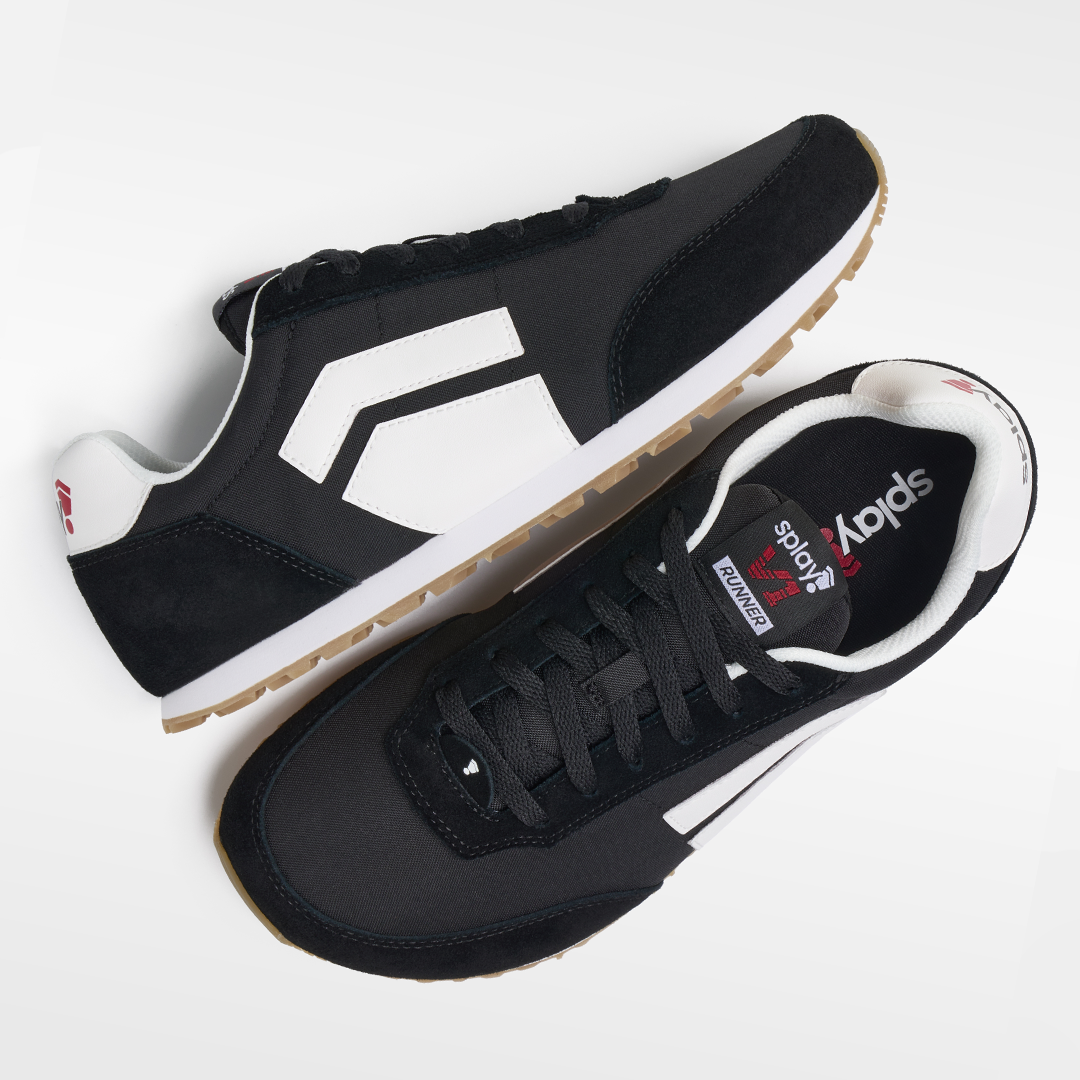
Once you know what you need from your shoes, choosing the right features becomes much easier. And if you’re ready to find a pair that fits naturally into the way you move, explore Splay’s Everyday Movement collection and see what feels right for your routine.


